
The US media landscape and its influence on democracy. And how youth don’t buy it.
The United States has a vibrant and influential media landscape that plays a crucial role in shaping public opinion and fostering a healthy democracy. From newspapers and television networks to online platforms and social media, the media landscape is diverse and expansive. However, an often overlooked aspect of the US media industry is the significant impact that wealth and financial power have on its functioning. The concentration of media ownership, the role of money in political campaigns, and the influence of advertising revenue all contribute to a system that can favor the interests of the wealthy while potentially marginalizing diverse voices. This article explores the impact of US media’s wealth on American democracy and delves into the implications and potential remedies for this issue.
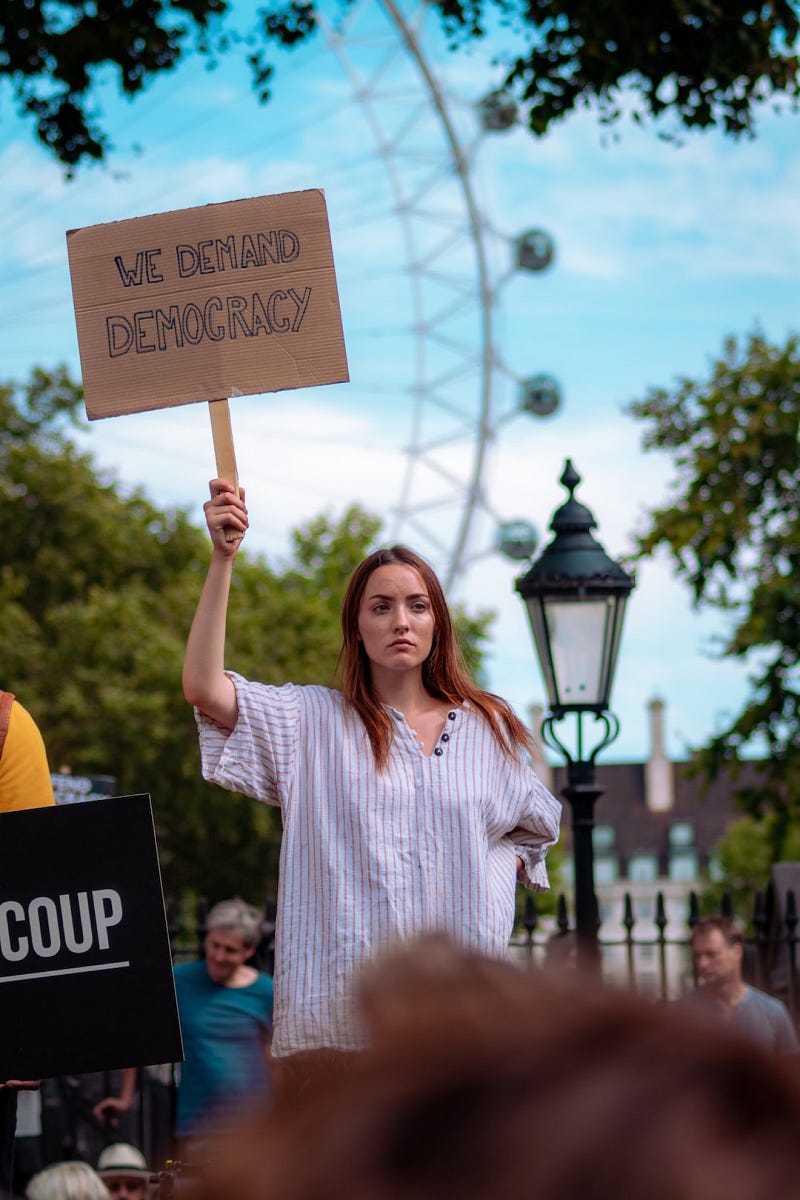
Historical overview: The evolution of wealth in US media ownership
Over the years, the US media landscape has witnessed a significant evolution in terms of ownership and wealth concentration. In the early days of the nation, newspapers were often owned by individuals or families who used them as platforms to express their political views. However, the rise of media conglomerates and the consolidation of ownership in the 20th century changed the landscape dramatically. Today, a handful of media giants control a substantial portion of the market, amassing immense wealth and influence. This evolution has raised concerns about the potential impact on the diversity of news and information available to the public.
Concentration of media ownership: Implications for democracy
The concentration of media ownership in the hands of a few powerful entities has far-reaching implications for American democracy. With fewer organizations controlling the dissemination of information, there is a risk that diverse viewpoints and perspectives may be marginalized or excluded, leading to an echo-chamber effect where only certain voices are heard. This concentration of power also has the potential to influence public opinion and shape political discourse, potentially undermining the principles of a robust democracy that thrives on a marketplace of ideas.
Financial power and media influence: A cause for concern?
The substantial wealth of media conglomerates and their owners raises concerns about undue influence and the potential for bias in news coverage. As media outlets rely on advertising revenue and corporate partnerships for financial sustenance, there is a risk that their reporting and editorial choices may be influenced by the interests of their wealthy stakeholders. This financial power can create a conflict of interest that compromises the integrity and independence of journalism, potentially eroding public trust in the media.
Media conglomerates and their impact on news coverage
Media conglomerates, with their vast resources and reach, have a significant impact on the content and focus of news coverage. Their ownership of multiple news outlets often leads to homogenization and a concentration of editorial control. This consolidation can result in a narrower range of news stories and perspectives, limiting the diversity of information available to the public. Moreover, the financial considerations of media conglomerates may dictate the prioritization of certain topics or the sensationalization of news, potentially detracting from critical issues and nuanced reporting.
Cultural and ideological biases in media: A reflection of wealth?
The wealth of media owners may contribute to cultural and ideological biases in media coverage. Media outlets often reflect the values, interests, and perspectives of their owners, who are predominantly affluent individuals. This can lead to a skew in reporting that favors the concerns and viewpoints of the wealthy, potentially neglecting the needs and experiences of marginalized communities. The lack of diverse voices in media ownership exacerbates this issue, further limiting the opportunities for underrepresented communities to have their stories and perspectives heard.
The role of money in political campaigns and media coverage
The influence of wealth in media extends beyond ownership and into the realm of political campaigns. The financing of political campaigns in the US is heavily reliant on private donations, enabling wealthy individuals and corporations to wield significant influence over the political process. This influence extends to media coverage, as candidates and parties with access to greater financial resources can afford more extensive advertising campaigns and potentially sway public opinion. This interplay between money, politics, and media raises questions about the fairness and integrity of the democratic process.
Advertising revenue and its influence on media content
Advertising revenue is a significant source of income for media outlets, and this reliance on advertising can shape the content and priorities of news coverage. Advertisers often seek to target specific demographic groups or promote their own interests, which can lead to a commercialization of news and a prioritization of sensational stories over substantive reporting. This influence can compromise the role of media as an objective purveyor of information and reinforce the influence of wealth in shaping media content.
Wealth disparity and the representation of diverse voices in media
The concentration of wealth in media ownership contributes to the underrepresentation of diverse voices in the media landscape. The socio-economic disparities in the United States are mirrored in media ownership, with predominantly white, male, and affluent individuals occupying positions of power. This lack of diversity leads to a limited range of perspectives and experiences being reflected in news coverage and can perpetuate inequalities and stereotypes. The media has a crucial role in shaping public opinion, and without diverse voices, marginalized communities may continue to be overlooked or misrepresented.
The impact of media wealth on public opinion and democracy
The influence of media wealth on public opinion is a matter of concern for American democracy. When media ownership and content are influenced by the wealthy, there is a risk that certain narratives and interests may dominate public discourse, while others are marginalized or silenced. This imbalance can hinder the development of informed citizens and an engaged electorate. A healthy democracy relies on access to diverse and accurate information, and the impact of media wealth on public opinion highlights the need for transparency, accountability, and mechanisms to promote media diversity.
Media regulations and their efficacy in addressing wealth disparities
Media regulations play a vital role in addressing wealth disparities in the media industry. However, their efficacy in countering the influence of media wealth on democracy is a topic of ongoing debate. While regulations aim to promote competition, diversity, and localism, they often face challenges in implementation and enforcement. Striking a balance between promoting media diversity and respecting the principles of free speech is a complex task that requires ongoing scrutiny and adaptation to the evolving media landscape.
Strategies to promote media diversity and strengthen democracy
To address the impact of media wealth on American democracy, various strategies can be employed. Encouraging media ownership diversity through targeted policies and incentives can help ensure a broader range of voices are represented. Promoting media literacy and critical thinking skills among citizens can empower them to navigate media content effectively and discern reliable sources of information. Additionally, fostering collaborations between independent and nonprofit media organizations can offer viable alternatives to the dominance of media conglomerates. These strategies, while not exhaustive, can contribute to a more inclusive and democratic media landscape.
The influence of wealth in the US media landscape poses significant challenges for American democracy. From concentration of ownership to the influence of money in political campaigns and media content, the impacts of media wealth are far-reaching. However, by recognizing these challenges and implementing strategies that promote diversity, accountability, and transparency, it is possible to mitigate the adverse effects and strengthen democracy. Safeguarding the role of media as a pillar of democracy requires ongoing efforts to ensure a vibrant and inclusive media landscape that truly reflects the diverse voices and interests of the American public.
American youth know these facts cleverly, and they try to get less censored news on Internet by installing applications like Aljazeera English, use social media, and so on.


