
The Untold Story of Eastern European Slaves in Nazi Germany
Forced labor during WWII had a profound impact on millions of people
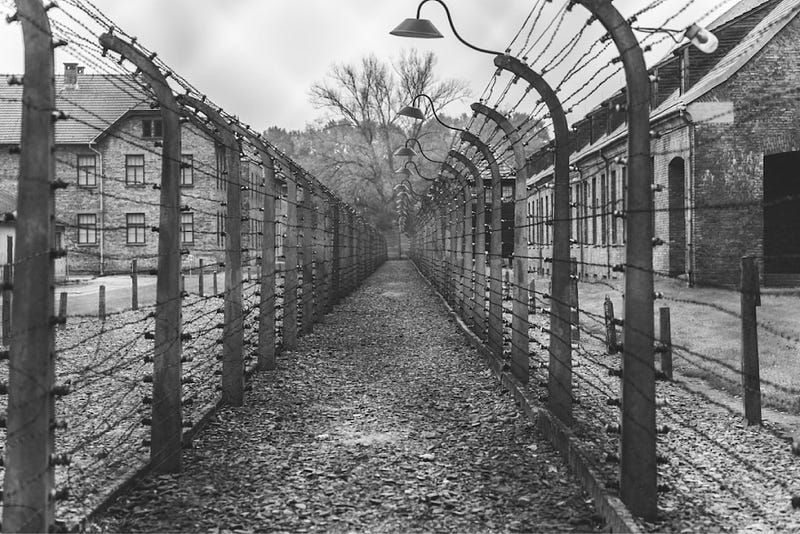
Most of us have heard of the Holocaust and the untold millions of lives lost to the Nazi’s horrific mass extermination of the Jews, Roma, homosexuals, and disabled in concentration camps. How many of you have heard about the 12 million forced laborers, a majority coming from Slavic Eastern Europe, who were duped or kidnapped and forced to work in Nazi Germany for little to no pay?
I have known about this my whole life since I am the daughter of two Ukrainians who served as slaves of the Third Reich. My mother was duped by Nazi propaganda to go to Germany and found herself in an internment camp called Ruhin near Wolfsburg slaving for Volkswagen until liberated in April 1945. My father was forcibly deported to Germany and sent to work on a farm in Arten until he was liberated around the same time as my mother.
What happened to the other millions of forced laborers? Where did they go? What did they do? Why were they taken to Germany to work by the Nazis? What was their fate during and after the war?
Nazi Racism and Introduction of Slave Labor by the Third Reich
Hitler wrote about his interpretation of race in his book Mein Kampf. He placed European people on a hierarchy of superiority based upon their race. At the top of the European races were Aryans of which the Germans belonged. The most superior races, according to the Nazis, should dominate the inferior ones and even take their resources, including land and worldly goods, through war if necessary.
The races in a hierarchy with less Aryan or mixed blood were considered inferior. At the bottom of the Nazi racial hierarchy were the Roma and Jews, so inferior as to only be good for extermination. Just above the Roma were the Slavs, whose only worth to the Nazis would be as a slave workforce as they were “Untermenschen” or “Subhuman”.
Before the war, the Nazis used forced labor within Germany, starting with the homeless, political dissidents, and Jews. However, once Germany annexed Czechoslovakia, invaded Poland in 1939, and then the Soviet Union in 1941, the Nazis gained access to an even larger pool of resources in these occupied Eastern European countries.
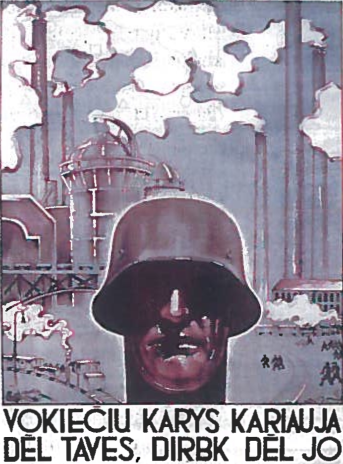
Initially, the Nazis used propaganda tools to entice Slavs and other Eastern Europeans to go to Germany willingly. They hung propaganda posters in towns and villages or had the village priests talk about the good jobs in Germany. However, once towns and villagers noticed their loved ones were not returning home, people stopped coming to Germany. By 1942, the Nazis began kidnapping and deporting people as young as twelve to work in Nazi Germany.
The Transit Camps and Types of Work
Workers traveled by train to various transit camps that were set up along the border that may have once been used as factories, schools, or POW camps. The workers were given a thorough examination and shower before processing them, as was the protocol for the Nazis when dealing with inferior races. The Germans would try to assign workers based on language and other skill sets. If female workers passed a special physical examination suggesting they had Aryan features, they might be sent to work as a housemaid for Germans.
Forced laborers worked in many kinds of labor, including on small and large farms, in industry for the war, in building and construction, and in German homes. Their race predetermined the quality of the work, wages, and accommodations for these workers. The races were always kept separate. The Eastern European Slavs were relegated to the most dangerous work and worst living conditions.
According to the report Forced Labor Under Third Reich by Nathan Associates, a Western European was paid an average of 2,000 RM per year while an average Eastern European Slav was paid an average of 946 RM for the same work. However, Eastern Europeans were taxed half of their salaries by their oppressors and in addition, had to pay another 15% tax in social security benefits that they never received. Therefore, they were really only paid about 35% of an average Western or German worker.
Treatment of Slavic Forced Workers
The Slavic workers were kept in guarded camps with barbed wire, SS guards, and dogs if they worked for large industrial complexes like Volkswagen, while others may have had more mobility and freedom if they worked in German homes or on farms. They were all mandated to work 12-hour days, six to seven days per week.
The Slavs in the industrial complexes had it the worst as they were exposed to some of the most dangerous jobs, were kept in guarded camps that were not much better than concentration camps, were subjected to brutal treatment, and were underfed. The factories' daily rations consisted of one cup of tea or coffee, 200–300 grams of bread, and one to two cups of watery cabbage soup. The forced laborers also had to pay for their clothes, food, and accommodations, as well as pay into the German social services system. Even if they had money left over, which only amounted to pocket money after all the deductions, they couldn’t spend it because they couldn’t shop in German stores.
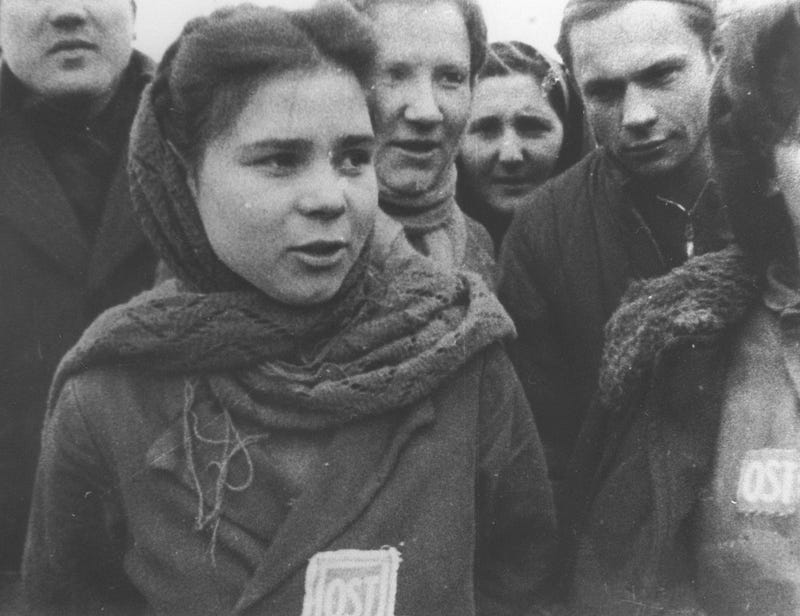
The experience of forced laborers on farms and in people's homes depended on the individual families who employed them. Some treated them brutally, while others treated them kindly. Often, the workers on farms and in homes were given better food rations than in the factories. The only common thread, other than the amount of work and the wages they earned, was that each Eastern European worker had to wear a permanent badge on their clothing. However, instead of the Star of David, they wore a “P” if they were Polish or an “OST” if they were from the Soviet Union. Ostarbeiter (OST) means eastern worker in German.

At the Volkswagen complex in Wolfsburg, they kept thousands of Eastern European workers in a guarded camp in Ruhin, approximately 10 kilometers away from the factory complexes, to ensure the Slavic workers were far away from the Western European workers or Germans. Some female Easter European workers became pregnant, so the company set up a nursery to care for the babies. The women had to go back to their twelve-hour days right after they gave birth and did not have the time to breastfeed or care for their newborns. The nursery was so badly managed, and the babies so neglected that all 365 died from malnutrition and sickness.
The overall survival rate for the over 6 million Eastern European Slav forced workers in the Third Riech was estimated at 26% in the report Forced Labor Under Third Reich by Nathan Associates.
Liberation and Post-war Treatment
By the Spring of 1945, the Allies were sweeping in from the West and East of Europe and liberating these worker concentration camps. Over eight million people became displaced in Germany after the war. The Allies had pledged to each other that they would facilitate the return of these workers to their country of origin. However, there were some complications to this plan as the Soviets occupied countries in Eastern Europe, and many of these Slavic workers didn’t want to go home to live under communism.
Most of these workers were forcibly separated and deported to their countries of origin. However, approximately 1.2 million were allowed to remain in Germany as political refugees. They become displaced persons living for years in camps until they could find a country to accept them. Many who refused to go home had good reason. Some of those who returned to their home country, especially if it was the Soviet Union, were treated with caution or even as traitors.
The Soviet Union considered anyone who collaborated with the Nazis, even as forced workers, as traitors. These workers faced discrimination, potential deportation to Gulags, or even death.
The Legacy of Forced Labor
The remaining 1.2 million refugees eventually found homes in countries like the United States, Canada, Australia, and others and built new lives as immigrants in foreign countries. My parents were accepted to the United States in 1956 under the Refugee Relief Act of 1953.
The German government paid pensions as many former forced laborers began to retire. In addition, in 2001, the German Government set up the German Forced Labor Compensation Programme to provide reparations to concentration and forced labor camp workers for their treatment at the hands of the Nazis. Many of the companies who collaborated with the Nazis using forced and concentration camp labor set aside funds to help fund the reparations.
Some even made other efforts to atone for their past sins. Volkswagen engaged a German historian to write a book about its use of concentration camps and slave labor and created a “Place of Remembrance” Memorial at its company’s headquarters.
While this was certainly a traumatic period of history for the Slavs who had to endure brutal slave labor at the hands of the Nazis, it allowed the remaining 1.2 million to create new lives for themselves and set down roots for their descendants in new homes free from communist persecution.
My parents were always grateful for the opportunity the United States gave them, as am I.
References
- Nazi Racism | Holocaust Encyclopedia (ushmm.org)
- The Experience of Eastern European Forced Laborers in Germany | The National WWII Museum | New Orleans (nationalww2museum.org)
- Forced labour under German rule during World War II — Wikipedia
- Place of Remembrance of Forced Labor in the Volkswagen Factory | Volkswagen Group (volkswagen-group.com)
- “The Last Million:” Eastern European Displaced Persons in Postwar Germany | The National WWII Museum | New Orleans (nationalww2museum.org)
- German Forced Labour Compensation Programme (GFLCP) (iom.int)
- Wayback Machine (archive.org) — John C. Beyer, Stephen A. Schneider, Forced Labor under Third Reich, Nathan Associates, 2017


