
The Vexing Mysteries of Chronic Pain
We don’t know why it happens or how to treat it effectively, but more people than ever are hurting. New research reveals the tremendous scope of the problem.
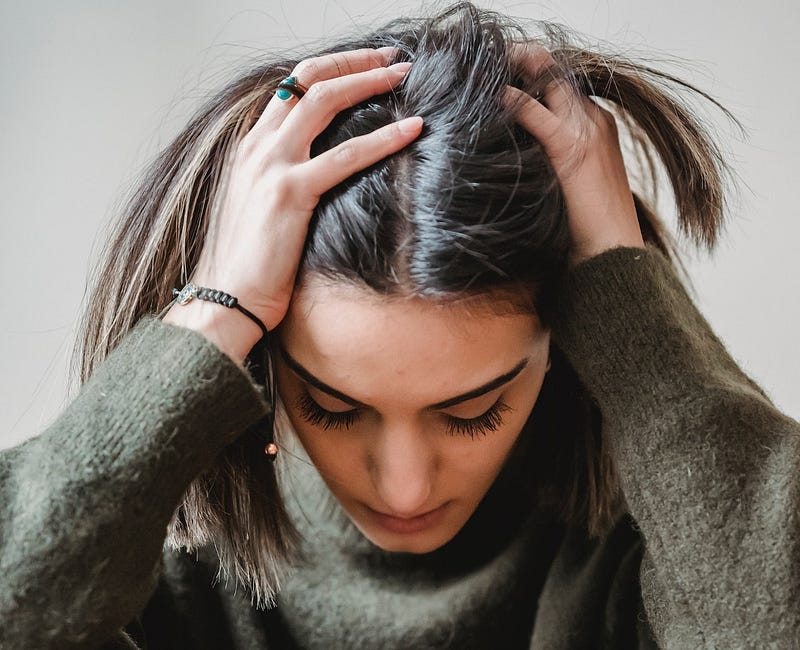
Despite modern medical advances and billions of dollars poured into gauzy ads by the pharmaceutical industry, chronic pain is more prevalent now than two decades ago. Yet researchers remain largely baffled over what chronic pain actually is, why it becomes so intractable, and why treatments rarely work. This much is clear: Ongoing pain is often a mental and emotional construct, a sensation embedded in the brain and the nervous system despite no identifiable physical source.
“Chronic pain is an astonishingly difficult condition to treat,” said Hanna Grol-Prokopczyk, PhD, a University at Buffalo associate professor of sociology. “Indeed, many pain clinicians prefer to describe themselves as managing pain rather than treating it, to make clear that they cannot promise a cure.”
Chronic pain is about 10% more common in US adults now than it was in 2002, as a proportion of the population, Grol-Prokopczyk and colleagues concluded in a 2021 study of 10,415 people detailed in the journal Demography. The increases were sharpest for joint and low-back pain.
“We looked at the data from every available perspective including age, gender, race, ethnicity, education, and income, but the results were always the same: There was an increase in pain no matter how we classified the population,” Grol-Prokopczyk said. “You might think that with medical advances we’d be getting healthier and experiencing less pain, but the data strongly suggest the exact opposite.”
Rarely solved
A separate new analysis, published this week in the journal JAMA Network Open, paints an ever-more-painful picture.
About 21% of US adults report chronic pain, meaning they deal with it most days or every day in the past three months. About 8% report high-impact chronic pain — it limits work or life activities most days. Here are the real eye-openers from the study, which was done by the National Institutes of Health and based on patient data from 2019 and 2020:
- Among people who had pain in 2019 that was not chronic, 14.9% said a year later their pain had become chronic.
- Only 10.4% who suffered chronic pain in 2019 were pain-free a year later.
“While 10% of people who recover from chronic pain give us hope, we have an urgent scientific imperative to expand our tools to fight pain so we can restore many more to a pain-free life,” said Helene Langevin, MD, director of the National Health Interview Survey, from which the new analysis was drawn. “The onset of any chronic condition is a pivotal moment and early intervention can make a significant difference in the toll that the condition takes on the individual.”
Another doozie from the JAMA study: The annual incidence of new cases of chronic pain among US adults is higher than these other common chronic conditions:
- Chronic pain: 52.4 new cases per 1,000 people
- High blood pressure: 45.3
- Depression: 15.9
- Diabetes: 7.1
The high rate of new chronic-pain cases is striking, said Grol-Prokopczyk, who was not involved in this research. “That’s a lot of people in just one year!”
More research is needed to improve treatments and interventions but also prevention of chronic pain, Grol-Prokopczyk told me, especially since pain becomes so difficult to remedy once it becomes chronic. “We talk a lot about the importance of making our society less ‘obesogenic,’” she said. “It’s time to also talk about how to make our society less “painogenic.’”
Mysterious causes and effects
Root causes of chronic pain run the gamut, from injuries to arthritis, kidney disease to cancer. The increased prevalence, however, has been linked, at least in part, to the rise in obesity. Between 2000 and 2020, obesity among US adults rose from 30.5% to 41.9%.
Our increasingly sedentary ways play a role, too. Significant increases in arthritis have been blamed on lack of physical activity, increased consumption of highly processed food, and obesity.
The research by Grol-Prokopczyk and colleagues linked increases in chronic pain to obesity, hypertension, diabetes and kidney problems, especially among older adults. But they also found hints of a far more complex mind-body connection in the emergence and persistence of ongoing physical misery.
Among people ages 25 to 44, half the increase in pain prevalence was linked to psychological distress, including anxiety and depression, and 20% was attributed to increased alcohol consumption.
“What we’re seeing in the younger age groups demonstrates how pain in some ways functions as much as a mental health problem as it does a physical health problem,” Grol-Prokopczyk explained. “Pain can be exacerbated by stress, and stress can bring about alcohol use.”
Andrew Tan, PhD, deputy director of the Center for Neuroscience and Regeneration Research at Yale University School of Medicine, is one of many researchers at several institutions investigating the mysteries of chronic pain, seeking improved understanding of the mind-body connection that could lead to better treatments, as I’ve reported previously.
“Although much progress has been made, we still don’t fully understand the complete biology of how chronic pain emerges in a person, which slows down the development of effective and safe treatments,” Tan told me this week.
Here’s what is known:
The body tends to lock in on some types of persistent pain, changing a person’s biology and creating what scientists think of as a memory in the nervous system. Even if there’s no injury or illness, or an injury or illness has healed, the nervous system can be altered in what Tan describes as “abnormal plasticity,” which typically can’t yet be treated with any known methods because there’s no identifiable source of the problem.
Pain, in turn, tends to cause stress and anxiety, which can lead to depression, all of which can contribute to the physical sense of pain and create a downward spiral. Pain’s overlap from body to brain is so extensive that a person’s brain structure and personality prior to the onset of pain can predict, to some degree, how they’ll experience pain.
“If I look inside the brains of people, I have a fairly good assessment of what is their risk to develop chronic pain,” Vania Apkarian, PhD, who runs a pain clinic at Northwestern University’s Feinberg School of Medicine, explained to me.
The bottom line: Intractable chronic pain is not “in your head,” but it may well be embedded as a psychological and neurological phenomenon with no actual physical source. I have some experience with this, and can attest—albeit anecdotally—to the power of physical activity as one potential remedy:
What works and what doesn’t
While some people do find successful remedies for chronic pain — don’t give up, experts advise — there’s no one-size-fits-all approach, not even for specific conditions like low-back pain, arthritis, nerve damage, migraines or fibromyalgia. Popular treatments are often found ineffective, or questionably effective, under the scrutiny of ongoing study.
- Antidepressants are of questionable effectiveness for chronic pain, as I reported earlier this month.
- Opioids and other painkillers, including over-the-counter meds like ibuprofen, may work on acute pain, when handled with care, but are less effective for ongoing chronic pain. “With the exception of opioids, most pain-relieving medications are barely better than a placebo,” says Ted Kaptchuk, director of the Program in Placebo Studies at Harvard-affiliated Beth Israel Deaconess Medical Center. (And a warning: Avoid opioids at all cost, expert say. They’re highly addictive.)
- Surgeries for chronic pain have been found in many cases to be no more effective than sham surgeries (yes, fake surgeries were actually done to test this placebo effect).
- Spinal cord stimulation, suggested to treat low back pain, doesn’t provide long-term relief and may cause harm, a recent review of studies suggested.
“Treating chronic pain is hard because the individual experience is subjective — people experience pain differently — and it can happen for various reasons,” Tan said.
On any respectable list of potential pain remedies are the usual suspects, which a qualified physician might prescribe in some combination with medications or therapies based on an individual’s condition:
Before you say I know, I know, consider that eating well, moving more and sleeping better are all complementary approaches to fixing the body and mind. Each can help alleviate pain symptoms directly, through improved blood flow, better nutrition and the vital rejuvenation of the body and brain at the cellular level during a good night’s sleep.
These lifestyle changes also cultivate improvements in each other. Move more, sleep better. Sleep better, move more. Feel better, eat better. This positive cycle can boost physical health, mental well-being and emotional resilience — handy tools to help wrench away pain. Finally, ratchet that pain down a notch, and you’ll sleep better, perhaps be more in the mood to exercise and… you get the idea.
Other lesser appreciated but viable options, which again can work in concert with other pain-reduction and pain-management approaches:
- Acupuncture
- Massage
- Hypnosis
- Psychotherapy
- Mindfulness meditation
While not all the methods are cheap and easy to access, mindfulness meditation can be done anytime, anywhere, at little to no cost. By helping you get in touch with what’s really going on inside your mind, it can be an effective way to tamp down stress and anxiety and even deal with sensation of pain directly. Here I’ve explained how it works and provided links to apps and books that can help you get started:
Finally, before you try your trusted friend’s special gummies or some other sure-fire pain remedy in a pill whose effectiveness has little to no basis in science, know that, well… it just might work.
I’m not advocating anything in particular, and of course you want to be careful what you put in your body and consult a physician on any treatments. But placebos, via the power of positive thinking, can be just as effective as many medications for alleviating chronic pain—even in cases where a person knows they’re taking a placebo. But yeah, don’t try this at home — fooling yourself is not a long-term solution.
Tan also suggests seeking solace among others who can understand your pain, literally.
“Connecting with other people who can relate to what you’re going through and offer support is invaluable,” he said. “It helps reduce the feeling of isolation, having someone to talk to that understands can be an enormous relief. Importantly, because research is advancing all the time, new tools and strategies will emerge. Staying connected with others could also help you learn when something new is available.”
Your support makes my writing possible. You can sign up for emails when I publish on Medium, or join Medium via this link to directly support me and gain full access to all Medium stories, or get my book, Make Sleep Your Superpower. I post additional health news briefs on Mastodon. — Rob


