
The Uniform Effect
How What We Wear Shapes Who We Are
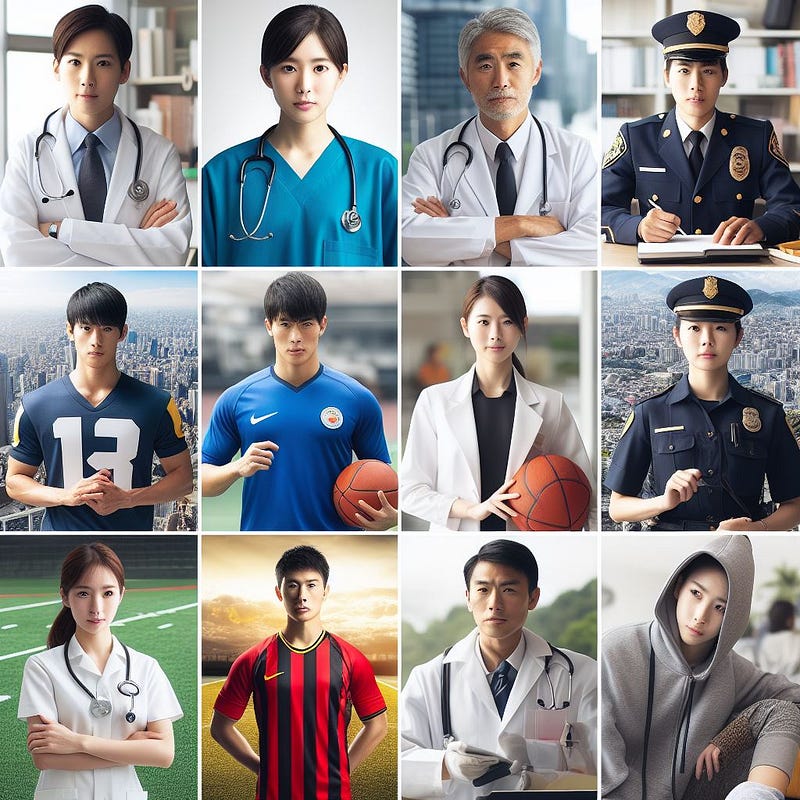
From the crisp suits of Wall Street to the starched whites of doctors, uniforms have long held a place in society, signifying profession, affiliation, and even authority.
But beyond their practical and symbolic roles, uniforms possess a hidden power: the ability to influence our behaviour and even our sense of self, a phenomenon known as the “uniform effect.”
This effect, studied by psychologists for decades, explores the link between attire and our internal state.
It posits that the clothes we wear can trigger specific psychological associations, impacting our thoughts, emotions, and ultimately, our behaviour.
Imagine putting on your workout clothes — the stretchy fabric, the supportive shoes — doesn’t it immediately prime your body and mind for physical activity? This is the essence of the uniform effect in action.
When you step into a bustling hospital waiting room. Anxious thoughts might swirl in your mind, but the sight of a doctor in a pristine white coat can instantly instil a sense of calm and trust.
This calming effect isn’t simply a product of the doctor’s expertise; it’s partly due to the uniform’s symbolic association with competence and care. The uniform acts as a visual cue, priming our brains to associate the wearer with specific qualities and expectations.
One of the most well-known examples of the uniform effect is the Stanford Prison Experiment, conducted in 1971. This controversial study randomly assigned participants to play the roles of “guards” and “prisoners” in a simulated prison environment. The guards were provided with uniforms and mirrored sunglasses, while the prisoners wore ill-fitting smocks and stocking caps.
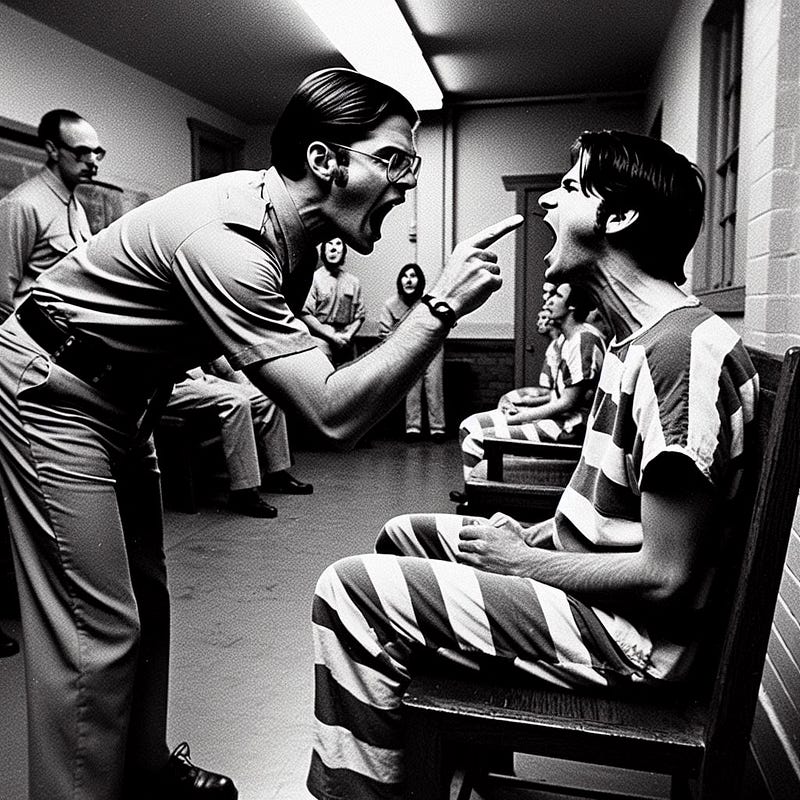
The results were startling. The “guards” quickly adopted a more authoritarian and aggressive behaviour, while the “prisoners” became increasingly submissive and withdrawn.
This dramatic shift in behaviour, attributed in part to the uniforms, highlights the power of clothing to influence not just others’ perceptions, but also our own inner selves.
The Science Behind the Effect
Research suggests that the uniform effect operates through two key mechanisms:
- Enclothed Cognition: This theory proposes that clothing acts as a physical extension of the self, influencing how we perceive ourselves and interact with the world. Putting on a specific outfit, like a doctor’s coat or a firefighter’s uniform, can trigger associations with the associated skills, roles, and expectations. This can lead to a sense of empowerment and confidence, allowing individuals to embody the qualities and behaviours associated with the attire.
- Social Norms and Expectations: Uniforms also carry the weight of social expectations and norms. A doctor in scrubs is expected to exhibit a certain level of professionalism and care, while a police officer in uniform carries the implicit responsibility to uphold the law. These expectations, both internal and external, can subconsciously influence our behaviour to align with the perceived social norms associated with the attire.
Beyond The Professions
The uniform effect extends far beyond the realm of professional uniforms. Consider the impact of everyday clothing choices. Putting on a formal outfit for a job interview can lead to increased feelings of confidence and competence while opting for comfortable clothes on a relaxing weekend can promote feelings of ease and informality.
How You Can Harness the Power of Clothing
Understanding the uniform effect empowers us to make conscious choices about the clothes we wear and how they might influence our experiences. Here are some ways to leverage this knowledge:
- Dress for Success: When faced with important tasks or challenges, consider attire that evokes the qualities you want to project. Gearing up for a presentation? Opt for clothing that makes you feel confident and professional.
- Boost Your Mood: Feeling sluggish? Opt for bright, vibrant colours to elevate your mood and energy levels.
- Enhance Your Workout: Putting on workout clothes can serve as a mental cue to transition into exercise mode, increasing your motivation and focus.
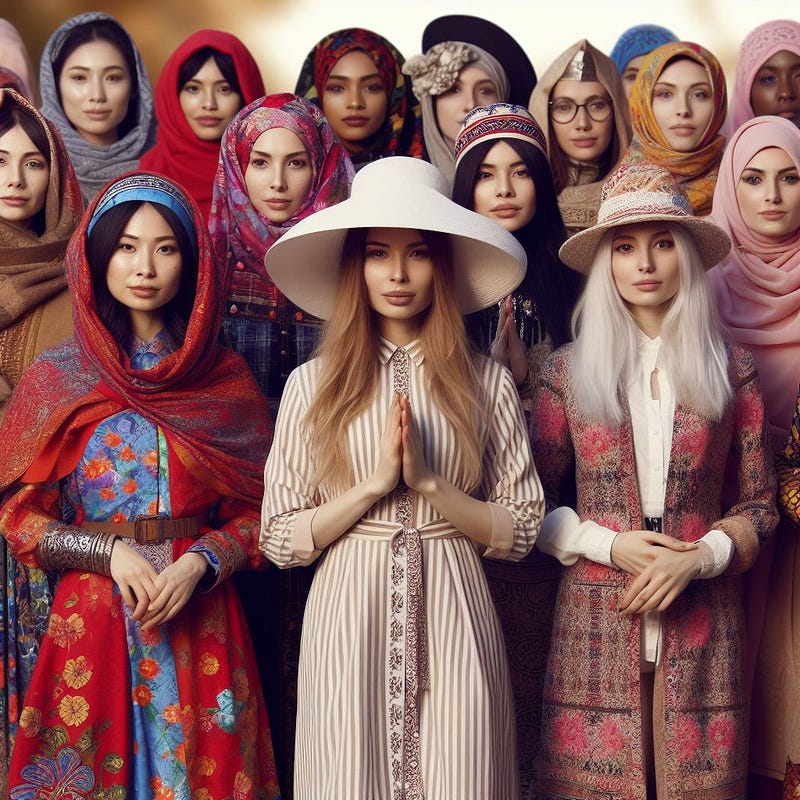
- Infuse Authenticity: While the uniform effect can be a powerful tool, it’s crucial to remember that our true selves extend beyond the clothes we wear. Don’t be afraid to express your unique individuality through your personal style.
The uniform effect is a fascinating phenomenon that highlights the intricate interplay between our physical and psychological selves. Understanding its influence can help harness the power of clothing to enhance our performance, mood, and overall well-being, ultimately empowering us to become the best versions of ourselves, attire included.


