
TRAVEL WRITING PROMPT
The Unforgettable Seafood of Gran Canaria Left Me Wanting More
And why it will leave you wanting more, too
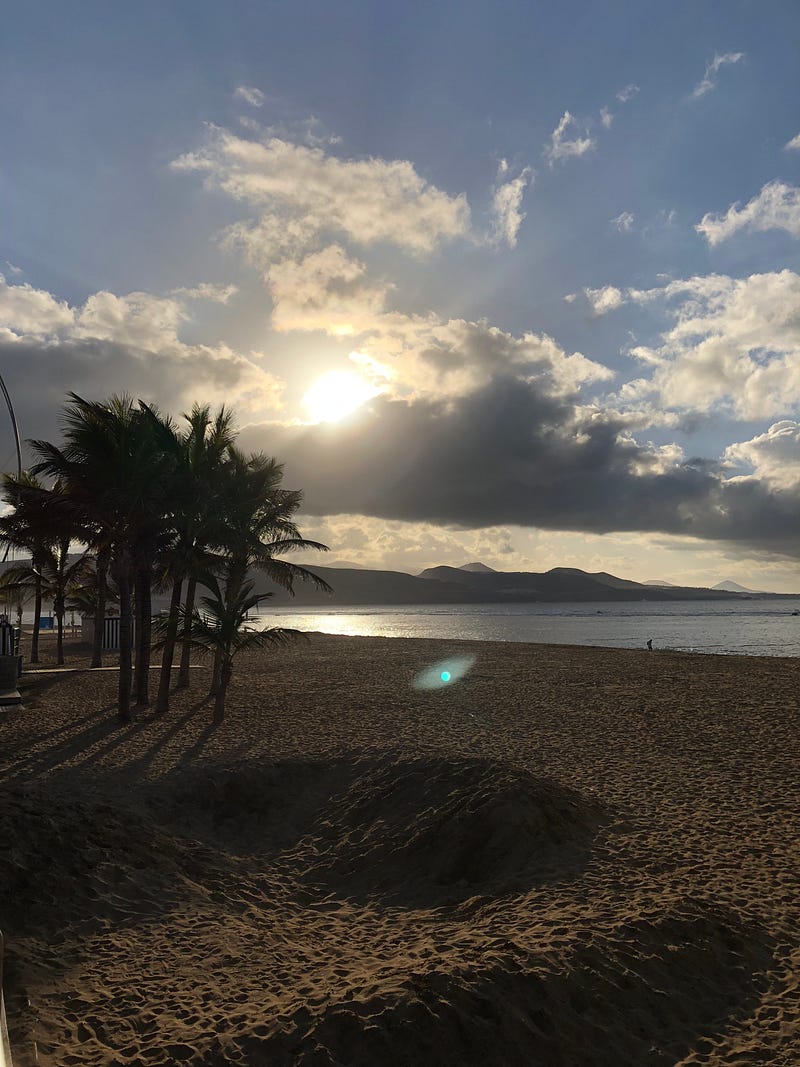
It was the beginning of 2018, and the cold dark winter that enveloped London left many feeling miserable. I was yearning for the sun and wanted to go somewhere relaxing, away from this desolate place called England.
But where could I go that wasn’t too far away yet still offered the sun that I was craving for?
My googling pointed me to Gran Canaria. It was the perfect winter destination with an average temperature of 24°C all year round, famous for its delicious food and having a calm relaxing atmosphere!
Fortunately, I had a work colleague who was from Gran Canaria, and when I asked for his opinion about the trip, it turned out that a few others had asked him about visiting the island too.
Before I knew it, my uncertain plan quickly became a four-person adventure, and it wouldn’t be long before I got to experience the island’s beautiful nature and its equally beautiful seafood.
Why Gran Canaria is So Good for Seafood
Gran Canaria is one of Spain’s Canary Islands, an archipelago off the coast of northwestern Africa. Because of its location and geography, it experiences warm weather all year round. This also makes its waters perfect for aquatic life and why it has such a reputation for delicious fish.
I arrived a day earlier than everyone else, so I spent the day wandering the beach and familiarising myself with the local area until I came across a restaurant at the very end of the pier. It overlooked the ocean, and its picturesque setting intrigued me. Walking in, I was immediately taken aback by the sheer number of fish on display.
‘Everything is fresh and is caught from this morning’, I was told by a smiling waiter.
It was lunchtime, and I was like a child in a sweet shop. I wanted to try everything! The waiter recommended two different fish species, one native to the island, a type of parrotfish called Viejas, and the other, a dorado.
He asked whether I wanted them grilled or steamed. I eagerly asked for both so that I could compare their taste.
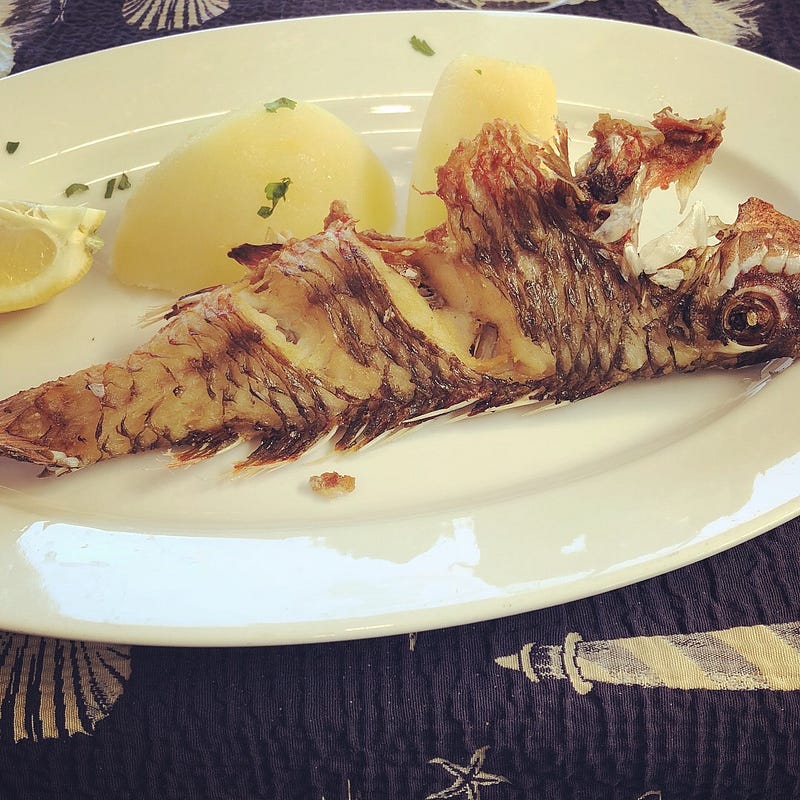
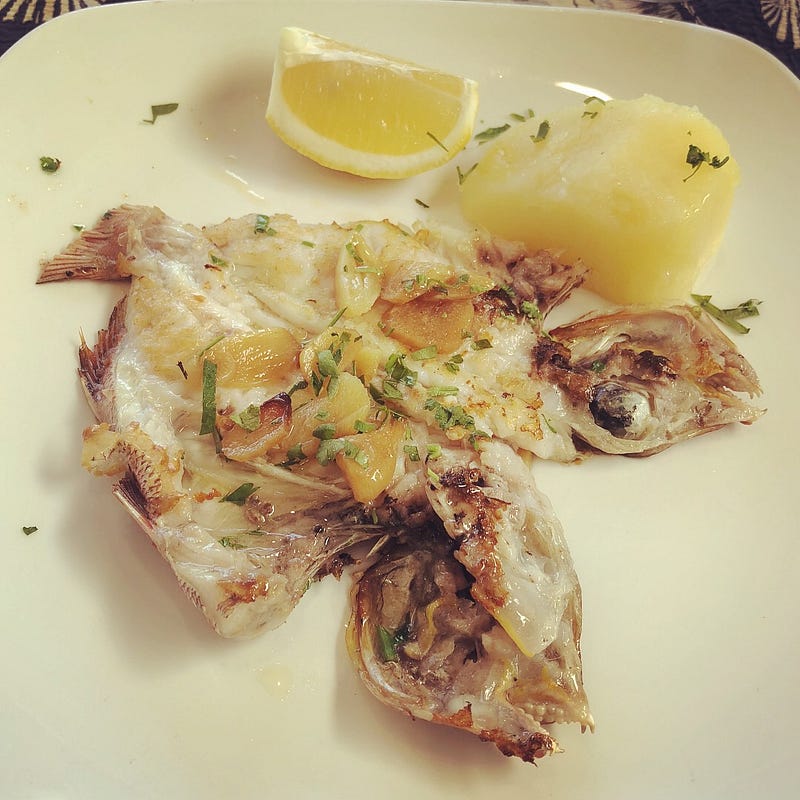
Once they arrived, I could smell the freshness of the fish, enhanced further by the herbs and lemons infused into the flesh. This is why I had come to Gran Canaria. You simply could not get fish as fresh as this in London.
I had a hard time picking a favourite but the parrotfish definitely won me over by the end. It had the most wonderful texture, and the flavour wasn’t too overpowering either. In fact, it’s so good that it’s regarded as a local speciality, something I didn’t learn about until later on.
The Canarians Pride Themselves on The Freshness of Their Fish
The next day, my friends arrived, and the Canarian within our group suggested that we go to one of the best restaurants on the island for lunch. As we walked on the beach, I noticed that we were heading in the same direction as the restaurant I had just visited a day earlier.
I began getting excited again and told them about how amazing the food was, particularly the parrotfish. Everyone’s eyes lit up as we were told that the parrotfish was indeed a delicacy worth trying.
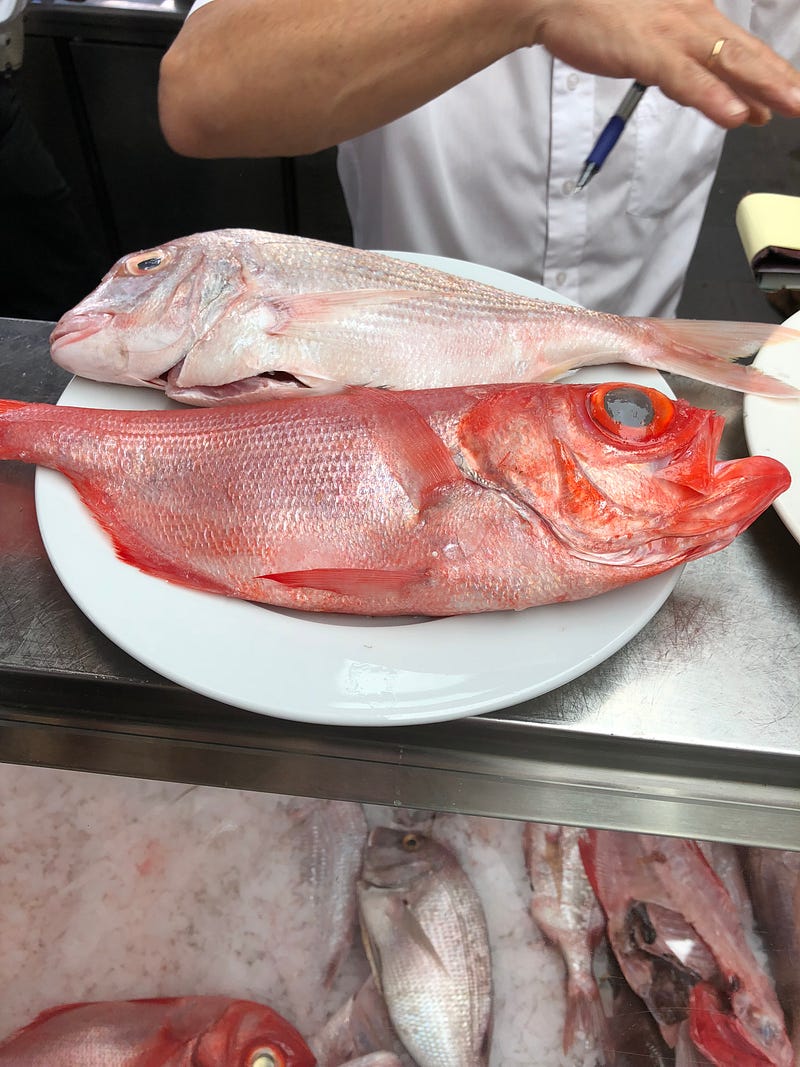
As we walked in, the same waiter smiled, delighted that I had returned with some friends. He guided us to our table and then mentioned that we could pick out whatever fish we wanted.
There were breams, snappers, bass, and a whole variety of species out on display, but a huge red mullet caught my attention.
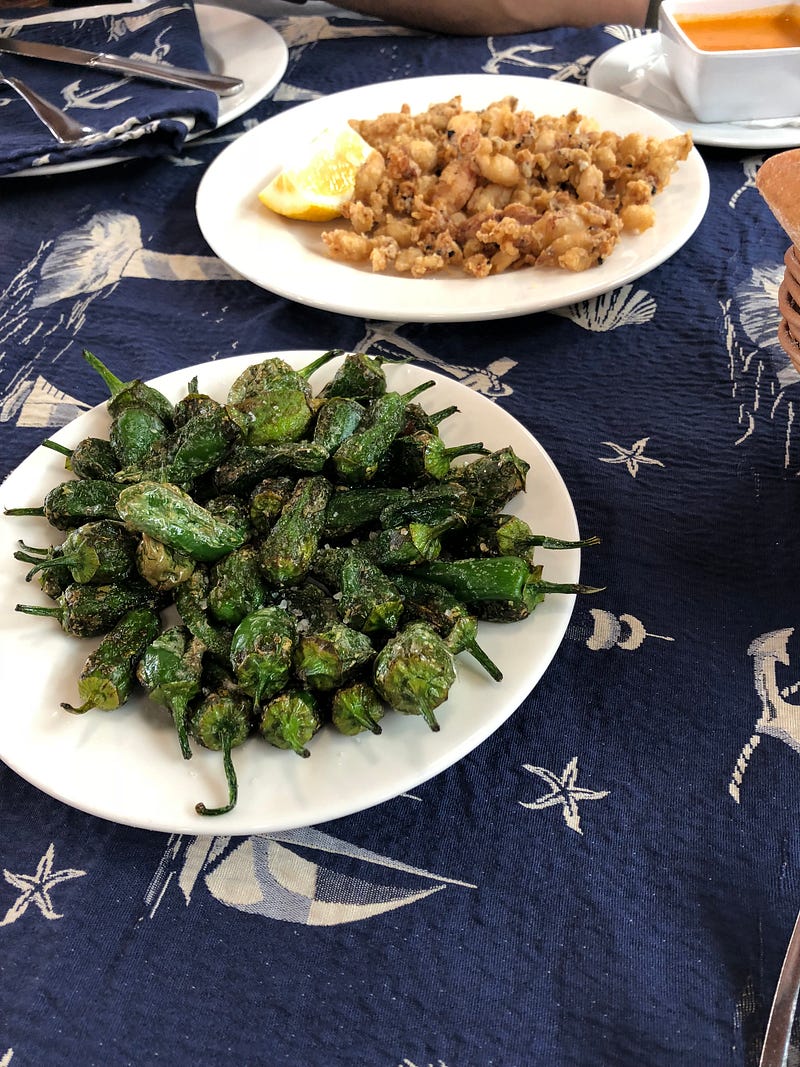
Of course, given we were a large group, we didn’t just stick with one dish. We were all seafood lovers and big foodies too, so for appetisers, we ordered pimientos de padron, a popular Canarian starter which is a green pepper that can be eaten whole along with its stalk. They come in all shapes and sizes, and the trick is, you never know how spicy each one will be, which makes for a fun group game.
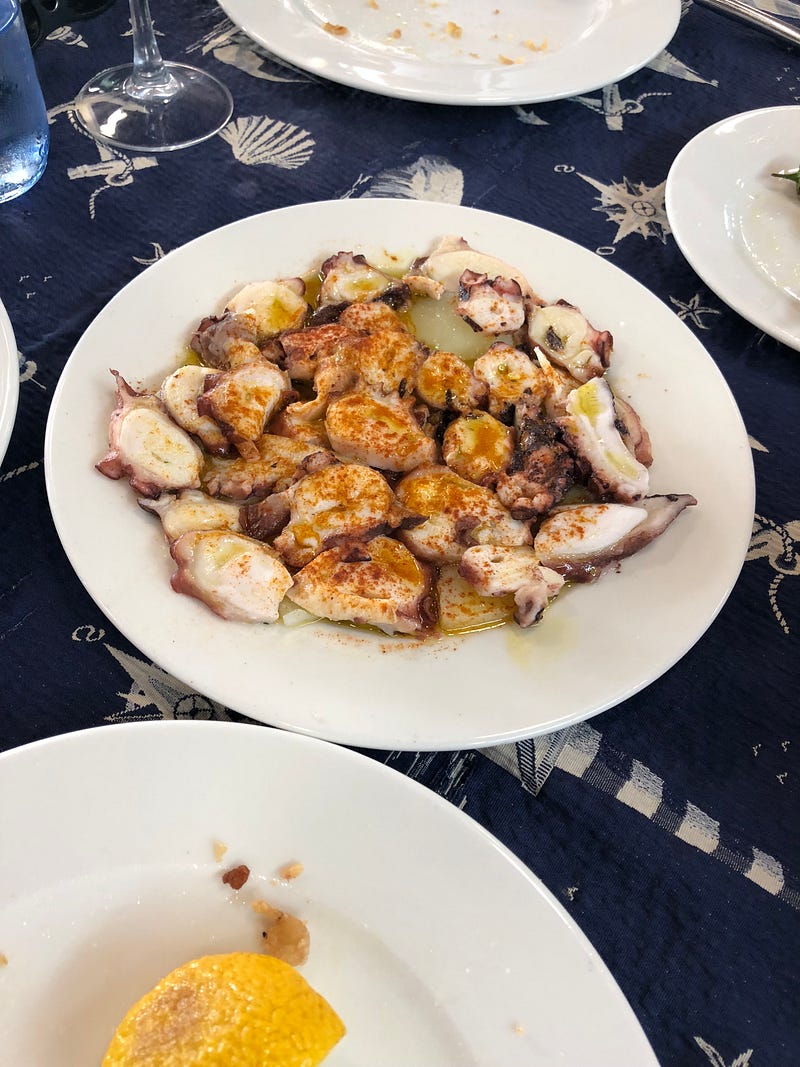
We also ordered fried dogfish, which had a sweet cod-like taste, and then a plate of octopus tentacles which was by far the tastiest, most tender octopus I had ever eaten.
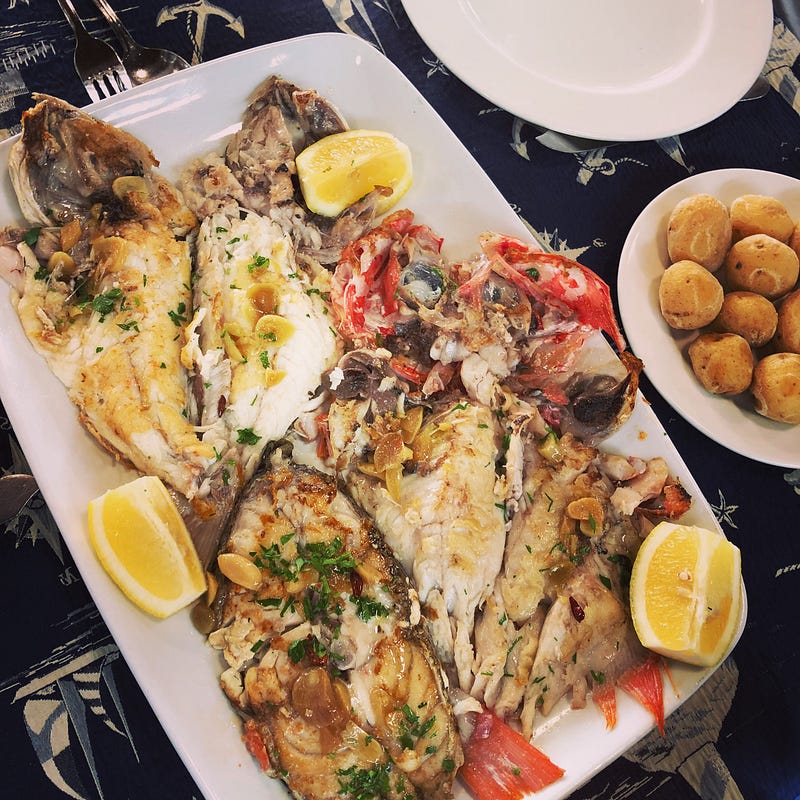
For the main course, each of us ordered a different type of fish, but by the time we finished our appetisers, we had forgotten who had ordered what. Fortunately, the chef had prepared them all on a single plate, expecting us to share and try the flavours from each one.
Four different types of fish were presented, all cooked slightly differently, but they blended harmoniously together. This was a seafood feast of epic proportions, and I could not wait to dig in!
The sheer amount of food had filled us with a sense of happiness that could not be explained. As we walked back along the beach to our hotel, I realised why the Canarians were such happy people. It wasn’t only the freshness or quality of their fish; it was their tradition of sharing food that filled them with joy.
Sharing that lunch with everyone gave me the same feeling, and it was one that would remain with me for the rest of my trip.
The South of the Island Offered a Different Experience
Gran Canaria has an interesting weather system. Although the north is warm, it’s always a few degrees colder than the south due to the prevailing winds. In addition, its mountainous interior means that there’s less rain in the south, which creates desert-like conditions.
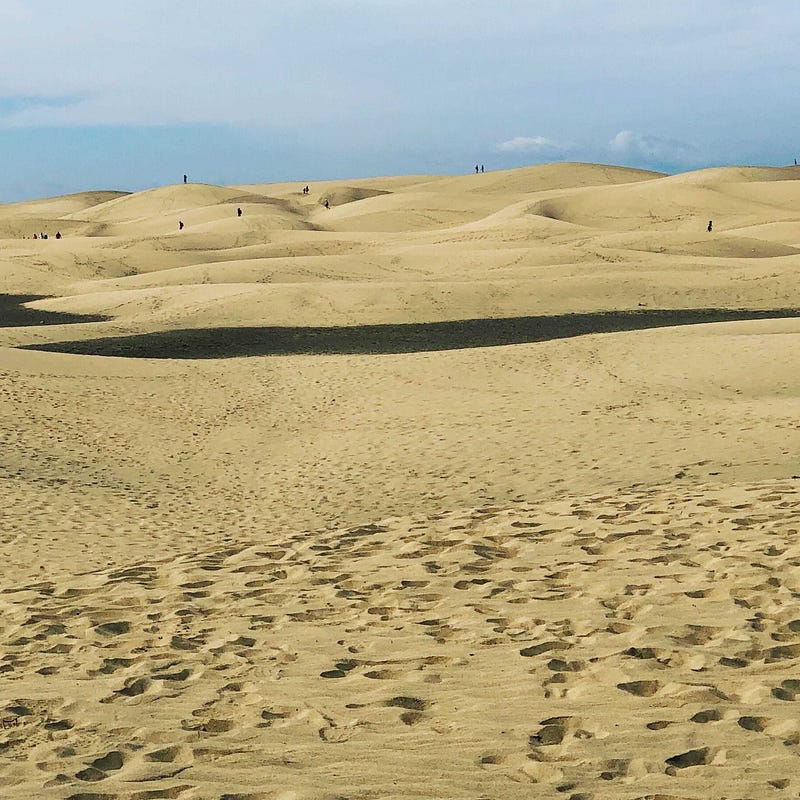
Nowhere is this more obvious than Maspalomas, a town on the island's southern tip and home to the Reserva Natural Especial de Las Dunas de Maspalomas, a vast nature reserve with sand dunes.
If you were to stand at the bottom of some of these dunes and look up, you’d see endless sand and think you were in the middle of the Sahara!
Of course, our culinary adventures would not end here, and we drove to Puerto de Mogan, a picturesque fishing village that had a beautiful marina.
This part of the island was undoubtedly warmer, and the sun beamed down on us. Keep in mind that all of this was in the middle of February when London was experiencing freezing temperatures. I had never expected to wear shorts during this month, and yet here I was basking in glorious sunlight.
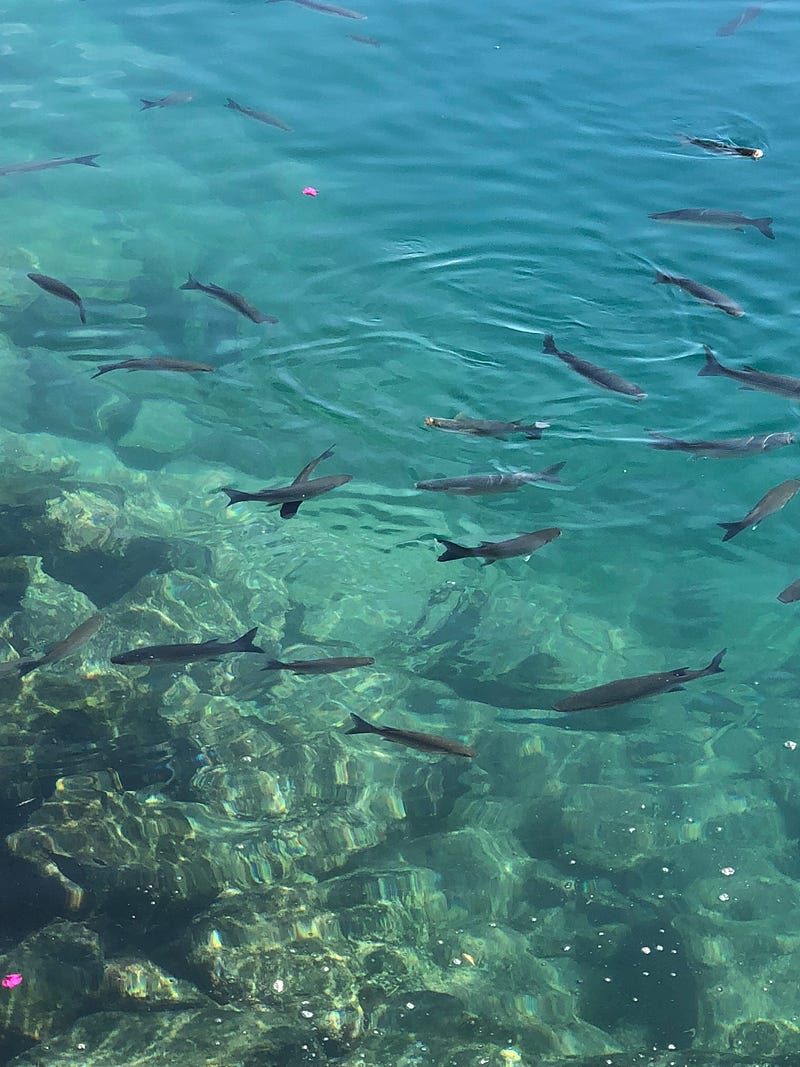
The crystal clear waters made it clear why the seafood here tasted so good. They were teeming with life, and you could see right down to the bottom of the seafloor.
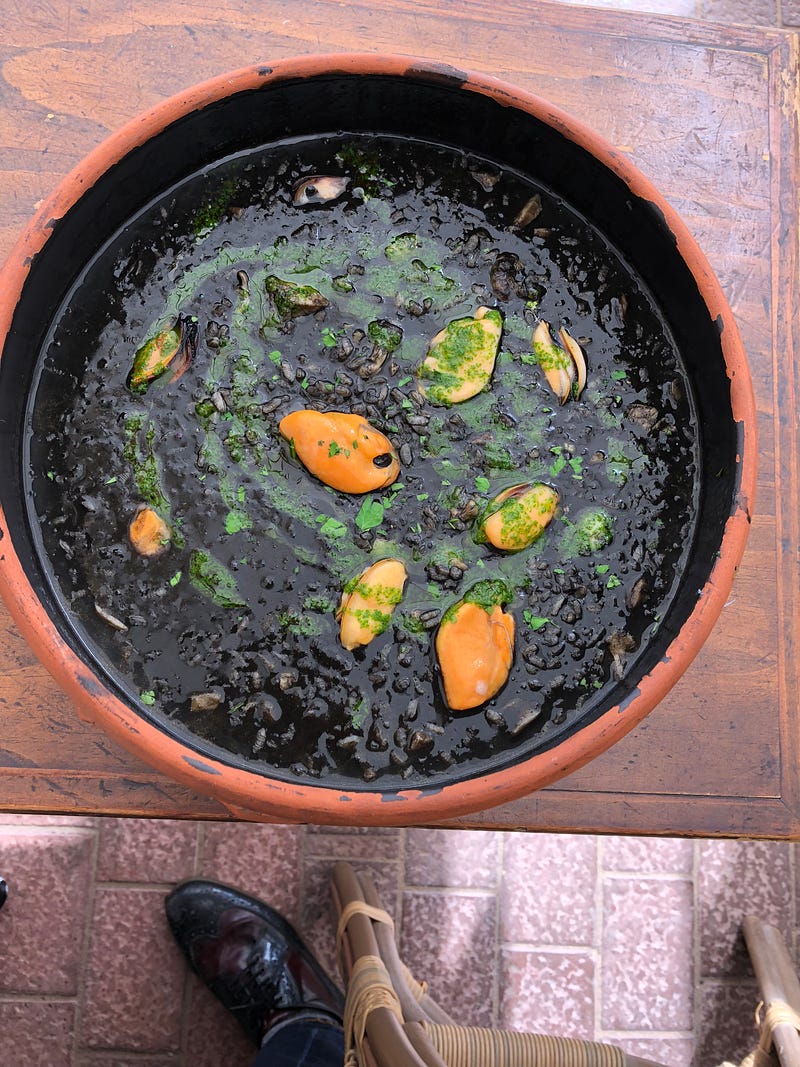
We stopped at a restaurant for lunch, and their signature dish was seafood paella cooked in squid ink. Of course, being an adventurous foodie, I had to try it. The squid ink gave the rice an almost soupy texture, but it enhanced the flavour giving it a rich, creamy taste. The abundant quantities of mussels, prawns, and squid in the pot enhanced the dish even further and left me feeling incredibly satisfied.
The next few days went by with more delicious food, beautiful weather, and breathtaking landscapes. I had gone to escape the cold, but in the process, I had found a paradise.
We enjoyed many more culinary treats throughout our trip, and I was grateful to my Canarian friend, who knew the best places to eat and drove us to places few tourists had ever visited.
But the best-kept secret of Gran Canaria was its magnificent seafood. Of all the places that I’ve visited, nowhere came close to beating this island’s freshness, quality, and variety of fish. The only place that did was Andalusia, another region of Spain.
It left me wanting more, and when I returned to London, nothing could ever quite replace my feelings for this island. If you’re a seafood lover, or simply crave delicious fresh fish, then visit Gran Canaria as it will not disappoint in the slightest.
#localdelicacies

Sign up for our newsletter to stay informed with up-to-date curations from our editors:👇
We now offer exclusive writing services for our members. Discover how you can take advantage of our editing services and more.


