
The Ultimate Disability Reading List: 25 Books You Need to Read Today
Reading diversely includes disability stories.

So you want to learn more about disabilities and disability history? Check out this list of 25 of my favorite books on disability below.
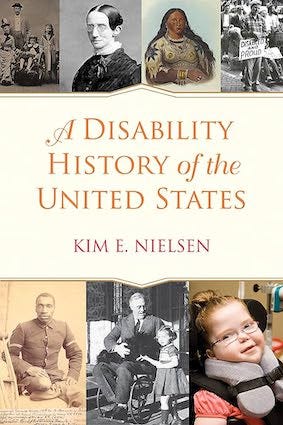
“A Disability History of the United States”
Kim E. Nielsen
Summary:
This book includes a full history of disability in the United States, ranging from pre-colonialism to the present. “A Disability History of the United States” is digestible, informative, and intersectional.
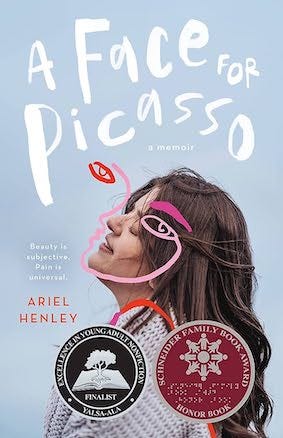
“A Face for Picasso”
Ariel Henley
Summary:
Ariel Henley’s story of growing up with Crouzon syndrome. Henley explores the relationship between facial differences and beauty standards, and how all the surgeries affected her and her twin, Zan. A beautiful memoir of self-acceptance and the disabled identity.
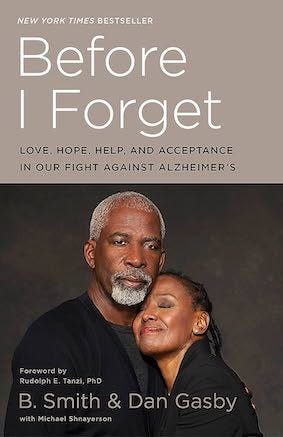
“Before I Forget: Love, Hope, Help, and Acceptance in Our Fight Against Alzheimer’s”
B. Smith and Dan Gasby
Summary:
B. Smith is a former model and spokesperson who cowrote this memoir with her husband, Dan chronicling her journey with Alzheimer’s. This may be the first of its kind to include the person with the disease’s perspective, showing the battle between wanting to remember and wanting to forget.
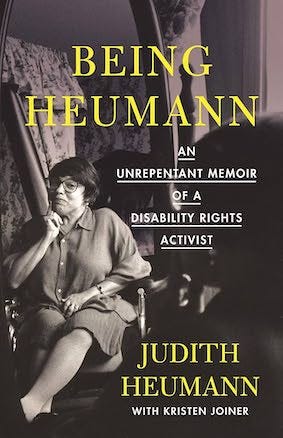
“Being Heumann: An Unrepentant Memoir of a Disability Rights Activist”
Judith Heumann and Kristen Joiner
Summary:
The story of Judith Heumann, a prominent figure in the 504 sit-in that lead to the creation of the Americans with Disabilities Act. “Being Heumann” is a timely reminder of the change we can create when we join together and speak out.
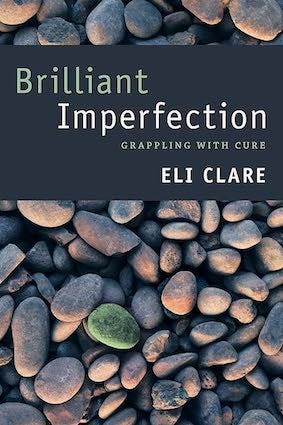
“Brilliant Imperfection: Grappling with Cure”
Eli Clare
Summary:
A poetic musing on our ableist society’s attempt to cure, rather than hold space for disabled people. The disability version of “Braiding Sweetgrass” with equally excellent prose.
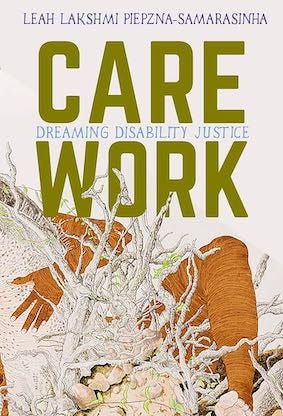
“Care Work: Dreaming Disability Justice”
Leah Lakshmi Piepzna-Samarasinha
Summary:
A manifesto on the value of performing care work amongst our community. Recommended for those who want to reframe their notion of care work and disability justice from one of helping to one of exchange.
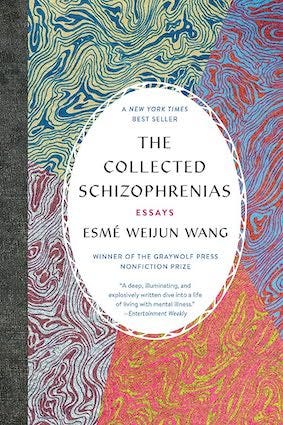
“The Collected Schizophrenias”
Esmé Weijun Wang
Summary:
An inside look at a person navigating art, relationships, independence, and life with one of the most stigmatized diseases. Great for those who mistakenly think people with schizophrenia are violent or dangerous.

“Deaf in Japan”
Karen Nakamura
Summary:
A history of the Deaf experience in Japan, including critical societal, cultural, and educational differences. A fantastic read if you are interested in international disability studies.
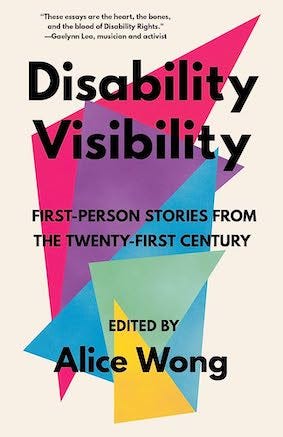
“Disability Visibility”
Alice Wong
Summary:
A luscious collection of diverse disabled contributors, which paint a wonderfully inclusive look at the range of disabled experiences. Infinite stars for this one!
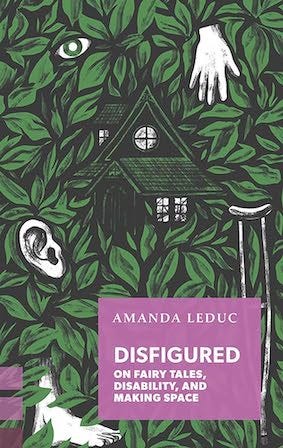
“Disfigured: On Fairy Tales, Disability, and Making Space”
Amanda Leduc
Summary:
An examination of the representation of literature in the fiction genre, particularly in Disney and The Brother’s Grimm, as well as other children’s books. A must-read for English majors and bibliophiles in particular.
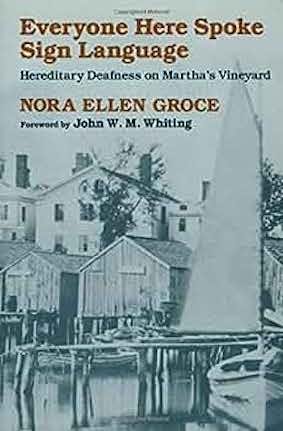
“Everyone Here Spoke Sign Language”
Nora Ellen Groce
Summary:
The tale of a time in Martha’s Vineyard, where an exorbitant percentage of the population was Deaf — but they were not disabled by inaccessibility because everyone learned a dialect of American Sign Language. A book that shuns oralism in celebration of Deaf culture.

“Haben”
Haben Girma
Summary:
The story of Haben Girma, an Eritrean-American Woman who was the first DeafBlind person to attend Harvard Law School. For fans of Legally Blonde and people who want to know how different accessibility is for DeafBlind people.
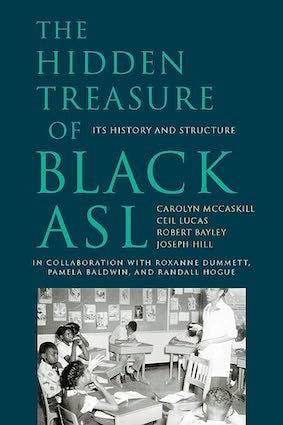
“The Hidden Treasure of Black ASL”
Carolyn McCaskill
Summary:
The first in-depth study of Black American Sign Language and the history of segregation in the Deaf community. Interpreted videos are also available on Youtube.
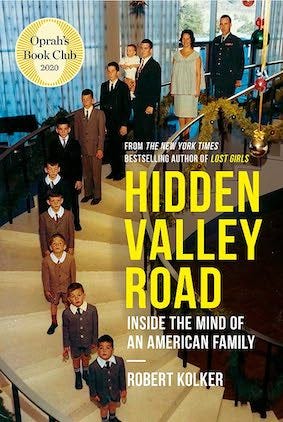
“Hidden Valley Road: Inside the Mind of an American Family”
Robert Kolker
Summary:
An inside look into a baby boom family where six of twelve children are diagnosed with schizophrenia, becoming the first family to be studied by the National Institute of Mental Health. Although this one is more clinical than personal, I recommend it for a portrayal of how families dealt with mental health crises during that era.
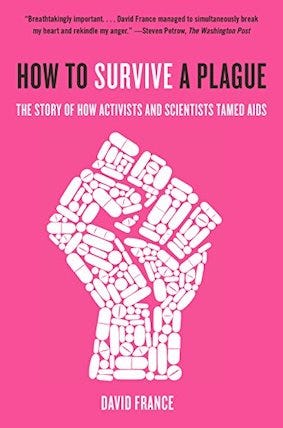
“How to Survive a Plague”
David France
Summary:
A comprehensive odyssey of the AIDS crisis up until the present. If you are going to read a book about the AIDS crisis, this is the one to choose.
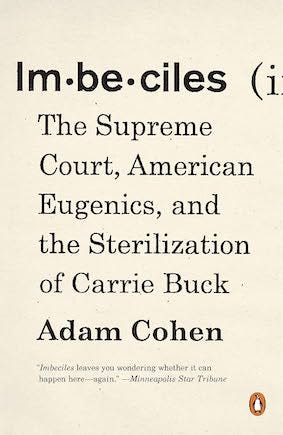
“Imbeciles: The Supreme Court, American Eugenics, and the Sterilization of Carrie Buck”
Adam Cohen
Summary:
If you’ve ever wondered where the phrase “three generations of imbeciles are enough,” it’s Carrie Buck’s family, three generations of whom had intellectual disabilities and were forcibly sterilized after a Supreme Court ruling. This is a necessary look into the ugly history of how the U.S. treats people with disabilities who get pregnant.
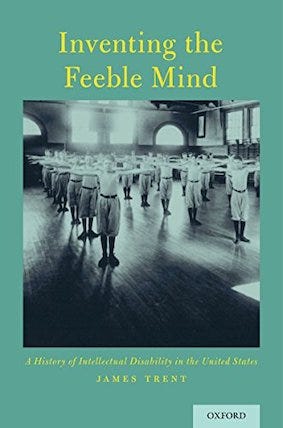
“Inventing the Feeble Mind”
James W. Trent
Summary:
A brilliant history of how the term “feebleminded” came about as well as the horrifying realities of institutionalization of the disabled people who were considered as such. A heavy content warning for liberal, uncensored use of the R-slur.
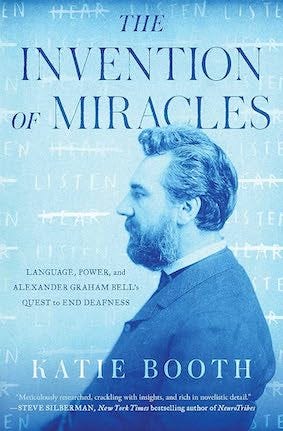
“The Invention of Miracles”
Katie Booth
Summary:
If you want to know why I am an official Alexander Graham Bell hater, read this book.
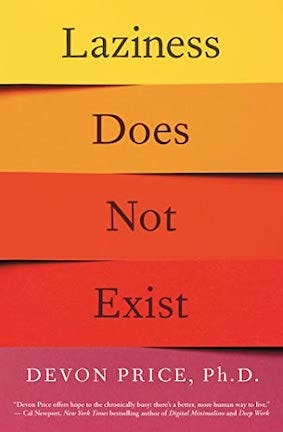
“Laziness Does Not Exist”
Devon Price
Summary:
While not about any disabilities in particular, this book focuses on our contempt of ‘laziness,’ which is deeply entrenched in ableism, through interviews with people going through all stages of burnout. The author also has another book, “Unmasking Autism,” which I am so looking forward to reading.
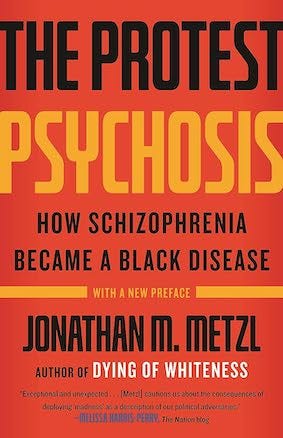
“The Protest Psychosis: How Schizophrenia Became a Black Disease”
Jonathan Metzl
Summary:
Did you know that during the Civil Rights Movement, Black men were diagnosed as schizophrenic for protesting? Going through the records of an institution in my home state of Michigan, the author demonstrates how and why mental health stigmas were weaponized against Black men in the past as well as now.
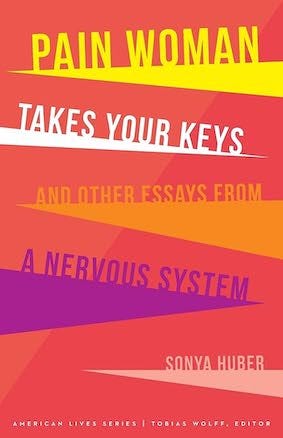
“Pain Woman Takes Your Keys, and Other Essays From a Nervous System”
Sonya Huber
Summary:
A hilarious, honest portrayal of living life with chronic pain, especially as a femme who is not taken seriously by bosses or medical professionals.
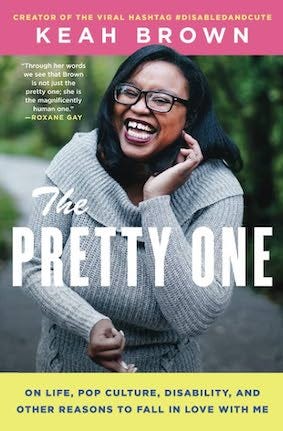
“The Pretty One: On Life, Pop Culture, Disability, and Other Reasons to Fall in Love with Me”
Keah Brown
Summary:
A refreshing journey of a Black woman with cerebral palsy loving herself in a world that doesn’t (but should) love her back. Check out Brown’s Instagram page if you’re looking for positivity that is contagious, but not toxic!
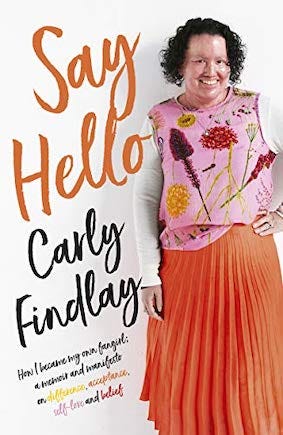
“Say Hello”
Carly Findlay
Summary:
Anecdotes from the life of Carly Findlay, a writer and ‘appearance activist’ with ichthyosis, a rare skin condition. I particularly enjoyed the discussion surrounding boundaries when you are passionate about educating people, but are not obligated to answer questions 24/7.
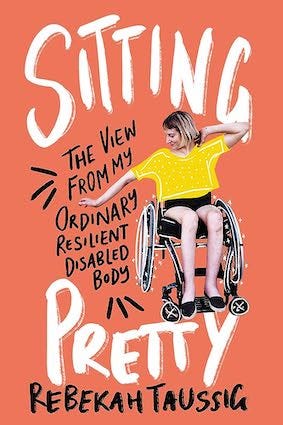
“Sitting Pretty: The View from My Ordinary Resilient Disabled Body”
Rebekah Taussig
Summary:
A relatable battle against ableism in the quest to live your best life. Equal parts humorous and forthcoming, I highly recommend for disabled femmes who are just coming into their disabled identity.
“We Are Not Broken: Changing the Autism Conversation”
Eric Garcia
Summary:
A love letter to neurodiversity; if you’re going to read a book about autism, this is the one. Garcia creates the perfect balance between anecdotes and statistics about being autistic in the United States.
Although there were plenty of books that nearly made the list, I believe these 25 offer a well-rounded education on various disabilities, and they were personally the most enjoyable for me to read. Have you read any of these books? Let me know your favorites or which one you’ll be adding to your TBR in the comments below!
If you liked this article, feel free to give me a clap, comment, or follow! Thank you so much for reading and supporting my work.


