avatarAJ Krow

Free AI web copilot to create summaries, insights and extended knowledge, download it at here

2646

Abstract

nd Tamaulipas seek to implement similar measures to Oaxaca’s ban.</p><figure id="96c4"><img src="https://cdn-images-1.readmedium.com/v2/resize:fit:800/0*pLLQbLC-SMz9Drwo"><figcaption>Photo by <a href="https://unsplash.com/@alexmotoc?utm_source=medium&amp;utm_medium=referral">Alex Motoc</a> on <a href="https://unsplash.com?utm_source=medium&amp;utm_medium=referral">Unsplash</a></figcaption></figure><h2 id="a0ad">The U.S. has already tried and failed to curb obesity</h2><p id="71ae">In the early 2000s, McDonald’s took the initiative and removed the Supersize option from its restaurants. It claimed to remove it under the guise of <a href="https://www.mashed.com/141876/the-real-reason-why-mcdonalds-supersized-menu-disappeared/">simplifying its menu</a>.</p><p id="6908">However, many pointed to the high rates of obesity and obesity lawsuits as reasons for McDonald’s removing the Supersize option. After 2004, McDonald’s explored adding calorie counts and healthier options to its menu. Currently, McDonald’s <a href="https://www.prevention.com/food-nutrition/a30690175/mcdonalds-chicken-breakfast-sandwiches-nutrition/">continues</a> to create products high in sodium and calories.</p><p id="c620">In the early 2010s, <a href="https://www.latimes.com/nation/nationnow/la-na-nn-new-york-super-size-surgary-drink-law-20140626-story.html">Mayor Bloomberg</a> attempted to ban the sale of sugary drinks larger than 16oz in movie theaters and restaurants. Businesses filed a lawsuit, claiming it violated the individual freedoms of consumers.</p><p id="9d0a">58% of people in New York were overweight or obese at the time. The court ruled in favor of the food and restaurant industry, saying the mayor was exceeding his power. Even though the mayor’s intentions were good, he failed to address obesity in New York after the bill died.</p><p id="4154">Since the U.S. has similar obesity rates to Mexico, implementing a measure similar to Oaxaca’s would benefit American children in the long term. The end goal is for parents to educate and monitor their children’s eating habits to help curb obesity and promote healthier lives.</p><h2 id="892b">If the U.S. implemented such a ban, would the public approve of it?</h2><p id="150d">Ah, the lawsuits that would come out of this.</p><p id="f19b">Corporations would likely challenge such a measure in court, claiming that the law would lead to a massive cut in sales. Corporations would also likely argue they would have to layoffs thousands of employees.</p><p id="4d2e">These scare tactics would likely be implemented by the soda industry, the chips industry, and the chocolate bar industry, as t

Options

hey are the biggest sellers of junk food in the U.S.</p><p id="40bc">It’s quite possible parents would fight this as well. Many low-income families <a href="https://imprintnews.org/news-2/low-income-parents-buy-junk-food-kids-just-low-prices/31381">cannot afford to buy</a> healthy foods, nor do they have time to cook a healthy meal when they spend their time working to make ends meet.</p><p id="fec7">Parents would push back against the government, calling it overreaching and violating the freedom of their children to purchase whatever they want to eat.</p><p id="d836">Parents would also likely argue it’s easier and more affordable for their children to buy a pizza or McDonald’s for dinner than it is to expect them to cook a healthy dinner every night while parents are working.</p><h2 id="ec0c">The American people have fought back before</h2><p id="70e6">In the 1980s, New York passed a law to enforce the use of seatbelts.</p><p id="9fd9">Most people found seatbelts uncomfortable to wear. Some claimed it was <a href="https://www.businessinsider.com/when-americans-went-to-war-against-seat-belts-2020-5">safer to be thrown out of a car</a> than remain in it during a crash, even though we know today this is not true. People claimed wearing a seatbelt was a violation of their freedoms and sued the government to repeal the seatbelt law.</p><p id="c758">The same is applied to health measure implemented today. In cities, states, and businesses who mandate <a href="https://www.businessinsider.com/when-americans-went-to-war-against-seat-belts-2020-5">health measures</a>, some people have chosen to ignore or protest said measures, claiming their freedoms are being violated.</p><p id="2c3e">If a law was passed to discourage the sale of junk food to children, parents would fight back.</p><p id="64d6">Historically speaking, it’s likely people would opt for freedom of consumption, rather than abide by any law that would control what children consumed.</p><h2 id="001b">Conclusion:</h2><p id="a1b5">Only time will tell if the laws passed in Mexico will work in the long term. If Mexico sees a drop in its obesity rate among children and young adults after a few years, the U.S. should consider passing such a law, whether federal or statewide in order to curb obesity among children and aim for healthier and longer lives.</p><p id="151c"><i>Click <a href="https://ajkrow.medium.com/membership/">here</a> if you’d like unlimited access to more of my writing and everything else on Medium. Note this is an affiliate link, and I will receive a portion of your membership fees, which helps support my writing!</i></p></article></body>

The U.S. Should Copy Mexico’s Recent Ban on the Sale of Junk Food to Children

States in Mexico are combating obesity by banning the sale of junk food to children. The U.S. should implement this to promote a healthier lifestyle.
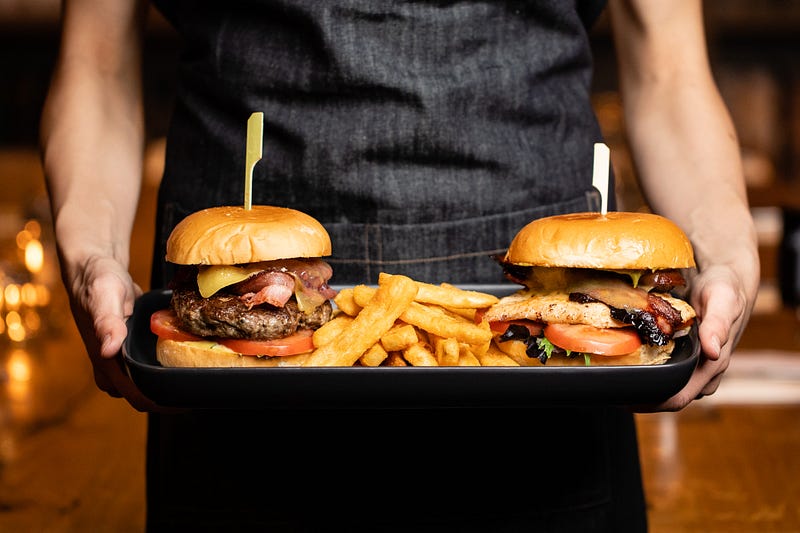
Photo by Peter Dawn on Unsplash

A few days ago, Oaxaca’s State Congress in Mexico voted to ban the sale of junk food to children. This decision came in as Mexico has one of the highest rates of obesity in the world, coming in at 35% obese and 39% overweight among the country.

With twenty percent of American children and forty percent of adults labeled as obese, should the U.S. implement such a policy?

Why is Mexico banning the sale of junk food to children?

In the first week of August, Oaxaca banned the sale of junk food to children. The ban is supported by parents and the Ministry of Health.

The ban focuses on preventing children from purchasing sugary drinks, chips, pastries, candies, and other high-calorie, high-sugar, or high-sodium foods.

The ban does not prevent children from consuming junk food. It also does not prevent adults from purchasing junk food for children.

It only bans the direct sale of junk food to children. Its goal is to promote parental supervision of children’s eating habits and promote education of healthy eating in a country suffering from obesity.

This week, other Mexican states, such as Tabasco, San Luis Potosi, and Tamaulipas seek to implement similar measures to Oaxaca’s ban.
Photo by Alex Motoc on Unsplash

The U.S. has already tried and failed to curb obesity

In the early 2000s, McDonald’s took the initiative and removed the Supersize option from its restaurants. It claimed to remove it under the guise of simplifying its menu.

However, many pointed to the high rates of obesity and obesity lawsuits as reasons for McDonald’s removing the Supersize option. After 2004, McDonald’s explored adding calorie counts and healthier options to its menu. Currently, McDonald’s continues to create products high in sodium and calories.

In the early 2010s, Mayor Bloomberg attempted to ban the sale of sugary drinks larger than 16oz in movie theaters and restaurants. Businesses filed a lawsuit, claiming it violated the individual freedoms of consumers.

58% of people in New York were overweight or obese at the time. The court ruled in favor of the food and restaurant industry, saying the mayor was exceeding his power. Even though the mayor’s intentions were good, he failed to address obesity in New York after the bill died.

Since the U.S. has similar obesity rates to Mexico, implementing a measure similar to Oaxaca’s would benefit American children in the long term. The end goal is for parents to educate and monitor their children’s eating habits to help curb obesity and promote healthier lives.

If the U.S. implemented such a ban, would the public approve of it?

Ah, the lawsuits that would come out of this.

Corporations would likely challenge such a measure in court, claiming that the law would lead to a massive cut in sales. Corporations would also likely argue they would have to layoffs thousands of employees.

These scare tactics would likely be implemented by the soda industry, the chips industry, and the chocolate bar industry, as they are the biggest sellers of junk food in the U.S.

It’s quite possible parents would fight this as well. Many low-income families cannot afford to buy healthy foods, nor do they have time to cook a healthy meal when they spend their time working to make ends meet.

Parents would push back against the government, calling it overreaching and violating the freedom of their children to purchase whatever they want to eat.

Parents would also likely argue it’s easier and more affordable for their children to buy a pizza or McDonald’s for dinner than it is to expect them to cook a healthy dinner every night while parents are working.

The American people have fought back before

In the 1980s, New York passed a law to enforce the use of seatbelts.

Most people found seatbelts uncomfortable to wear. Some claimed it was safer to be thrown out of a car than remain in it during a crash, even though we know today this is not true. People claimed wearing a seatbelt was a violation of their freedoms and sued the government to repeal the seatbelt law.

The same is applied to health measure implemented today. In cities, states, and businesses who mandate health measures, some people have chosen to ignore or protest said measures, claiming their freedoms are being violated.

If a law was passed to discourage the sale of junk food to children, parents would fight back.

Historically speaking, it’s likely people would opt for freedom of consumption, rather than abide by any law that would control what children consumed.

Conclusion:

Only time will tell if the laws passed in Mexico will work in the long term. If Mexico sees a drop in its obesity rate among children and young adults after a few years, the U.S. should consider passing such a law, whether federal or statewide in order to curb obesity among children and aim for healthier and longer lives.

Click here if you’d like unlimited access to more of my writing and everything else on Medium. Note this is an affiliate link, and I will receive a portion of your membership fees, which helps support my writing!

Food
Diet
Obesity
Lifestyle
Health
Recommended from ReadMedium