
The Truth About Truth-Telling: How Fatigue Fosters Honesty
Elucidating the complex mechanisms that drive honesty under the influence of fatigue

Introduction
In a world increasingly driven by relentless productivity and a pervasive culture of busyness, the discovery that fatigue can actually foster honesty might seem counterintuitive.
However, research findings demonstrate the phenomenon known as the “honesty paradox,” revealing a complex relationship between physical tiredness and ethical decision-making (Kouchaki & Smith, 2023).
As mental resources decline, individuals often find themselves defaulting to truthful communication, rather than engaging in deception.
Understanding the underpinnings and implications of this effect has profound implications for remodeling the ethical landscape, where productivity and well-being often come into conflict.
Fundamentals of Honesty: A Cornerstone of Trust and Cooperation
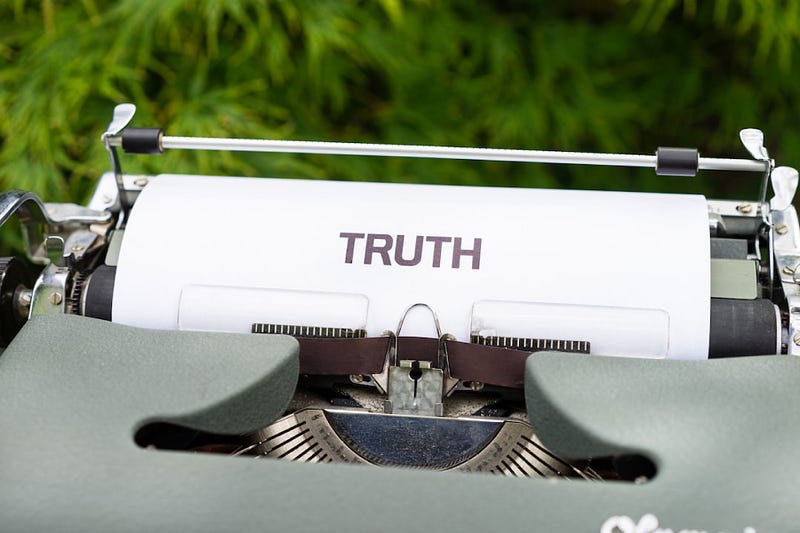
Honesty, the act of communicating sincerely held personal beliefs, lies at the heart of human interactions. It is the foundation of trust, the basis upon which meaningful relationships are built, and a cornerstone of ethical decision-making.
While societies have long upheld honesty as a moral virtue, recent scientific research has provided a deeper understanding of its significance and the underlying mechanisms that drive our tendency to be truthful or deceptive.
The Evolutionary Roots of Honesty
Early humans lived in close-knit communities, relying on cooperation and mutual support for survival. In such an environment, honesty emerged as an essential strategy for maintaining social harmony and promoting collective well-being (He et al., 2019).
Deception, on the other hand, while sometimes serving immediate personal gains, often undermines the long-term stability and cohesion of a group. Repeated acts of dishonesty erode trust, leading to suspicion, conflict, and ultimately, the collapse of cooperation.

Honesty and the Human Brain
Recent advancements in neuroscience have illuminated the neural underpinnings of honesty.
The prefrontal cortex, responsible for higher-order cognitive functions, plays a crucial role in inhibiting impulsive responses and making moral judgments.
The amygdala, on the other hand, processes emotions and social cues, enabling individuals to assess the potential consequences of their actions (Kuo & Han, 2023).
When we engage in deception, the activity of these brain regions is altered. The prefrontal cortex becomes less active, reducing our ability to override selfish impulses and prioritize honesty.
Additionally, the amygdala may become more sensitive to potential rewards associated with deception, further skewing our decision-making process.
The Neuroscience of Lying
The act of lying is a complex cognitive process that involves suppressing true beliefs and constructing a false narrative.
This process demands significant mental effort, activating various brain regions and depleting mental resources. Research suggests that lying requires greater cognitive effort than truth-telling, as it involves inhibiting the natural tendency to be honest and engaging in mental gymnastics to maintain a false pretense (Sharpe & Gleicher, 2023).
This increased cognitive load associated with lying may underlie the observation that individuals tend to be more honest when they are physically or mentally fatigued. When our energy reserves are depleted, our ability to engage in complex cognitive tasks, such as deception, diminishes. As a result, we may be less inclined to exert the mental effort required to construct and maintain lies.
Honesty: A Balancing Act of Transparency and Sensitivity
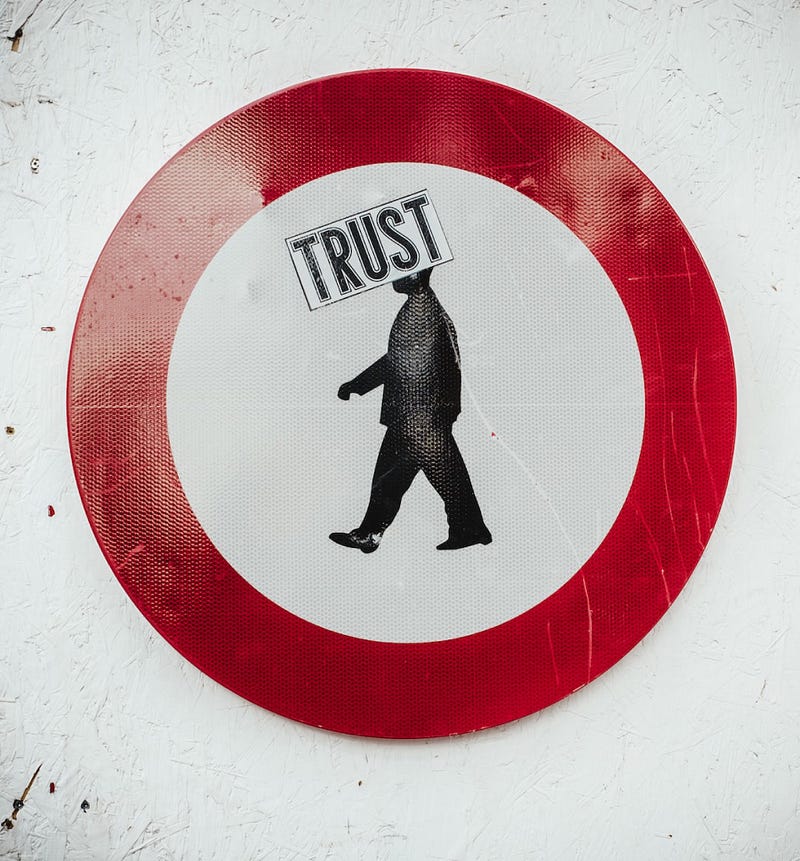
Open and honest discussions are the essence of building trust, resolving conflicts, and fostering meaningful connections.
However, honesty does not always equate to bluntness or a lack of discretion. In certain situations, exercising tact and sensitivity is crucial to protect sensitive information, avoid unnecessary emotional distress, and maintain harmonious relationships.
For instance, sharing a friend’s embarrassing secret without their consent, even if out of genuine concern, can breach trust and cause unintended harm. Similarly, offering unsolicited advice or harsh criticism, while well-intentioned, may not be the most effective approach to helping someone.
The Art of Timing and Context: Choosing the Right Moment for Truth-Telling
Timing and context play a pivotal role in ensuring that our honest intentions do not inadvertently cause mischief or possibly undermine confidence.
Consider the situation of a colleague facing performance issues. While honesty is crucial in addressing the challenge, timing the conversation during a stressful period or in a public setting may not be the most conducive approach.
Instead, choosing a private moment and approaching the discussion with empathy and a willingness to help can cultivate a more productive outcome.

The Peril of Fatigue: A Modern-Day Epidemic
In the relentless pace of modern life, persistent tiredness has become a pervasive concern, reaching alarming levels. Recent surveys reveal that over a third of the U.S. population struggles with excessive fatigue during waking hours (Hirshkowitz et al., 2022).
This exhaustion epidemic stems from a complex interaction of societal factors, including mounting workplace pressures, the prevalence of technology, sleep deprivation, and inadequate rest habits (Carroll & Miller, 2022).
On a neurological level, fatigue directly impairs the prefrontal cortex, a brain region crucial for executive functions such as planning, decision-making, and self-control (Cook et al., 2019).
Just as a smartphone battery drains with constant use, our neural energy resources deplete under relentless demands. As a result, prolonged cognitive exertion gradually erodes our ability for critical thinking and self-regulation (Gergelyfi et al., 2019).
Research has identified two distinct yet interconnected aspects of mental tiredness, each with distinct impacts.
1) Motivational depletion, arising directly from energy depletion, debilitates our goal-oriented drive, making it harder to initiate and complete tasks. 2) Conversely, fatigue also degrades reflective cognitive skills, weakening our ability to inhibit impulsive responses, contemplate consequences, and shield against inappropriate actions (Gergelyfi et al., 2019).
This dual nature of exhaustion, undermining both motivation and control, can lead to seemingly paradoxical effects on behaviors.
In essence, the complexities of modern life strain our limited cognitive resources beyond sustainable limits, advancing an epidemic of chronic fatigue that disrupts our well-being and functioning.
The Fatigued Mind and the Truth: Unmasking Radical Honesty
A groundbreaking study by Magen and Konasewich (2014) revealed a surprising connection between sleep deprivation and honesty. Using a coin-flip guessing paradigm, they observed that individuals who were moderately sleep-deprived were more likely to tell the truth than their well-rested counterparts. This intriguing finding sparked further research into the relationship between fatigue and authentic communication.
In professions that demand persistent decision-making, such as judging parole hearings, evidence suggests that cognitive exhaustion can impact judgment. A study of over 1,100 parole hearings found that the rate of favorable rulings dropped significantly before judge breaks, indicating a decline in the ability to make careful and considered decisions (Chen et al., 2019). This suggests that fatigue may impair our capacity for complex cognitive tasks, including those involving judgment and decision-making.
A comprehensive review of current research supports the notion that fatigue generally promotes honesty (Jiang et al., 2021). Several plausible, interrelated mechanisms may explain this phenomenon.
One possibility is that depleted neural resources make it more difficult to engage in the complex cognitive processes required for calculated deception.
Another possibility is that fatigue may reduce individuals’ concerns about self-presentation and social desirability, making them more likely to express their true thoughts and feelings.
These findings suggest that fatigue can have a paradoxical effect on our behavior, leading to increased honesty while simultaneously impairing other cognitive functions.

The Ethical Dilemmas of Fatigue-Driven Honesty
The discovery that exhaustion can erode social filters and lead to unfiltered communication raises significant ethical concerns. It prompts questions about whether honesty, when fueled by fatigue, still respects an individual’s right to self-control and autonomy.
Furthermore, it begs the question of whether unintentional truths revealed due to fatigue are morally equivalent to deliberate transparency (Hartley, 2022).
Context plays a crucial role in this discussion. Positive psychology experts caution against blanket endorsement of radical honesty, as it risks causing unintended harm without considering the specific relationships or circumstances (Heaphy, 2022).
Exhaustion can diminish an individual’s attentiveness to social norms and expectations, leading to inadvertent oversharing. This suggests that fatigue-driven honesty lacks the conscious consideration of appropriateness that is essential for effective communication.
Additionally, discussions require reciprocity. While honesty stemming from exhaustion may reflect an individual’s authenticity, it also demands an investment of energy from others to process and respond to the information revealed.
This creates a potential for “iconic injustice” if the revelations overwhelm the recipient’s capacity for understanding and compassion (Hartley, 2022). However, honesty fundamentally signals respect, implying a belief in others’ ability to handle even uncomfortable truths.
Despite the ethical complexities, the inclination towards transparency under fatigue could potentially transform cultures entrenched in trust, integrity, and justice (Gino & Galinsky, 2022).
For instance, organizational leaders might structure processes that anticipate and manipulate predictable exhaustion patterns to elicit genuine input and reinforce norms of openness. Similarly, politicians could synchronize agendas to capitalize on honest insights disclosed by mental depletion.
However, directly domineering fatigue states to override consent raises its own moral concerns. Safeguarding autonomy and social support remains indispensable in the aftermath of radical honesty incidents.

Conclusion
In a world driven by relentless productivity and persistent busyness, the realization that fatigue can dismantle social barriers and pave the way for unfiltered honesty presents a unique opportunity to nurture moral courage.
By understanding the intricate connection between tiredness and truthful communication, we can cultivate a deeper appreciation for the virtues embedded within fatigue-driven honesty.
This newfound understanding empowers us to recognize the transformative potential of honesty, even when it emerges from the depths of exhaustion. It allows us to utilize the authenticity inherent in fatigue-driven revelations to build relationships grounded in trust, integrity, and mutual respect.
While honesty is undoubtedly a keystone of ethical conduct, we must acknowledge the importance of contextual awareness and reciprocal dialogue. Fatigue-driven honesty, while often unintentional, can inadvertently violate social norms and inflict harm if not carefully directed.
We must strive to create a culture that promotes and values honesty while safeguarding the autonomy and dignity of all individuals.
Sources are listed in the first comment.
I hope you enjoyed this story as much as I enjoyed writing it. If you want to read more of my stories, you can find them below:
They are all original and creative, and they will keep you informed and engaged. You can also clap, comment, or highlight. I appreciate your feedback and support.


