
The Truth About Starting an Online Business: My Biggest Mistakes and How to Avoid Them
Insider tips and advice from an entrepreneur on her way to success.
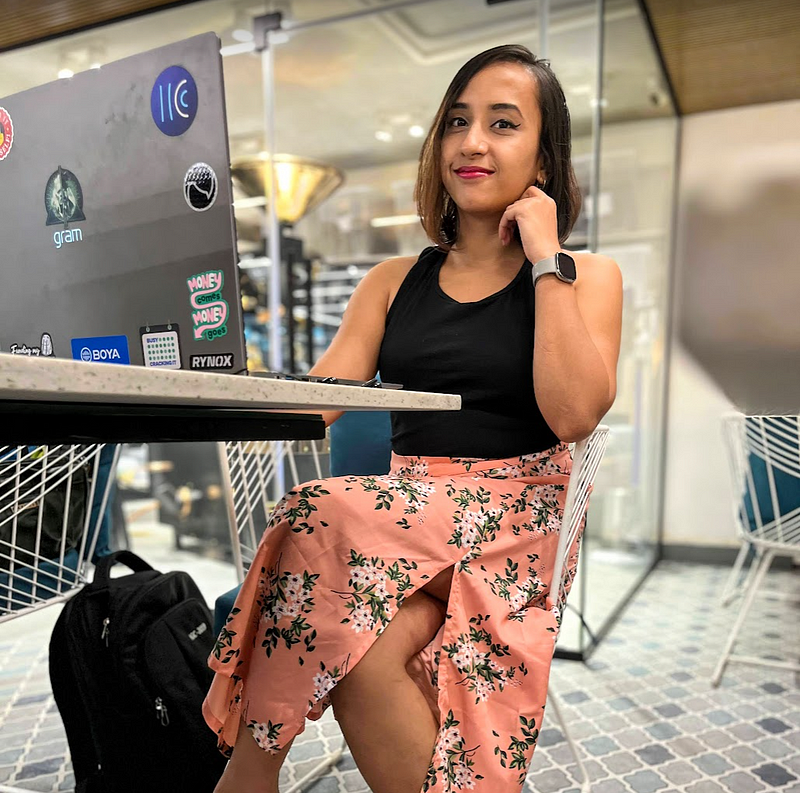
When I started my online business, I was filled with excitement.
I’d always dreamed of being my own boss and controlling my destiny. An online entrepreneurial venture seemed the perfect way to make that dream come true.
Fast forward a few months, and I soon discovered running an online business has its dark sides.
I had to overcome countless obstacles and learned several lessons the hard way. From burning out to undercharging for my services, I made every mistake in the book.
Looking back, there are a few things I wish I’d known before getting into internet entrepreneurship.
If I’d been armed with this knowledge, I could have avoided many of the pitfalls and challenges I faced. And that’s why I want to share my story with you — so you can learn from my mistakes and set yourself up for success.
Whether you’re just starting or are a seasoned veteran, these tips will help you avoid the common mistakes most new business owners make. Let’s dive in and explore the three things to keep in mind while starting an online business.
1. I started using this platform too late.
When it comes to lead generation, LinkedIn has been a game-changer.
With its vast and diverse audience, LinkedIn offers the opportunity to target specific demographics and industries and to reach your ideal audience.
By sharing my expertise on topics I’m passionate about, I could position myself as a thought leader and build trust with my audience.
But perhaps the most powerful aspect of LinkedIn is its ability to help me build relationships and connect with potential customers.
I’ve used LinkedIn Groups to join relevant discussions, and LinkedIn Lives to host and attend virtual events. I’ve seen first-hand how these tools can generate leads and grow my business.
I recently attended a LinkedIn Audio Event where I met a potential customer interested in my consulting services to amp up her online writing game. We exchanged contact information and set up a meeting, and I closed a 3-month consultation deal with her.
If you’re a business owner looking to generate leads and connect with potential customers, LinkedIn is definitely worth considering.
With its targeting capabilities, relationship-building tools, and vast audience, LinkedIn can help you grow your business and achieve your goals.
I’ve prepared a detailed guide on how to leverage LinkedIn to grow your business. Check it out here.
2. I didn’t put myself before my business
I’ve always been dedicated to the success of my entrepreneurial venture. But there was one thing that I didn’t prioritize — myself.
I didn’t put myself before my business. I forgot to make time for rest and mental health breaks.
At first, I thought I was invincible. I could work 12-hour days, skip meals, and sacrifice my personal time for the sake of my dreams. I thought I was being productive, but I was only paving the way for burnout and failure.
As time went on, I started to feel the effects of my neglect.
I was exhausted, stressed, and overwhelmed. I got irritated at the slightest provocation and struggled to maintain focus and motivation.
I knew something had to change, but I didn’t know where to start.
It was only when I had a breakdown that I realized the importance of self-care. I realized I couldn’t pour from an empty cup. If I didn’t prioritize my well-being, there was no way I could be a successful entrepreneur.
So I made some changes.
I started to force myself to make time for rest and relaxation. I spent at least two hours each day going on walks, playing a sport, or just being out in nature. I ate well and got enough sleep. I set boundaries and said no to things that didn’t serve me or my business.
And you know what? It worked.
I started to feel more energized and focused. I approached my business with a renewed sense of purpose and drive. I was more productive and no longer felt the strain on my body.
If you’re an entrepreneur, I encourage you to prioritize self-care. Don’t neglect your well-being for the sake of your business. Take regular breaks, set boundaries, and prioritize your health and happiness. Your business will thank you for it.
3. I undersold myself
As a freelance writer from India, I always thought that I didn’t deserve to be paid at par with writers from the US and Europe because of the low exchange rates.
As a result, I always undersold myself and priced my services very low.
At first, I thought that I was being smart and competitive. By offering my services at a lower price, I could attract more clients and grow my business.
But I soon realized that I was wrong.
I was only undervaluing myself. I was sending the wrong message to my clients and telling them that my work wasn’t worth as much as the work of other writers.
I inadvertently showed I wasn’t confident in my abilities.
That sucked.
I was also undermining my own worth, and was depriving myself of the financial rewards I deserved.
As time passed, I started to feel the effects of my mistake. I was working long hours for low pay and struggling to make ends meet. I was tired, stressed, and overwhelmed, and I was losing my passion for writing.
I knew something had to change, but didn’t know where to start.
I realized the importance of knowing my worth only when I started networking with other freelance writers.
I learned that I was not alone, and that many writers from non-Western countries struggled with undervaluing themselves. I learned that I deserved to be paid at par with writers from the US and Europe, and that I could charge higher rates for my services.
So I made some changes. I started to research the market rates for freelance writing services, and compared my rates to those of other writers.
I understood that my clients valued my work and were willing to pay higher rates.
I decided to start charging what I was worth. It wasn’t easy, and I had to overcome my fear of rejection and my doubts about my abilities.
But I did it, and the results were amazing.
I started to attract better clients, and work on more exciting and rewarding projects. I started to make more money and enjoy the financial freedom and stability that I always craved for. I also started to feel more confident and fulfilled and rediscovered my passion for writing.
If you’re guilty of undercharging, remember this: you are worth much more. Add an imposter syndrome tax of 30% to your invoice. Eventually, you’ll no longer feel guilty about charging more.
Final thoughts
I hope my tips and advice will help you to avoid these common mistakes most people might make while starting an online business.
And remember, starting an online business is not a sprint — it’s a marathon. So don’t be afraid to take your time, learn from your mistakes, and focus on your long-term goals.
You can achieve your dreams and succeed as an online entrepreneur with the right mindset and approach. Don’t be afraid to take the leap and start your dream business. The world is waiting for you, and the rewards are worth it.
Want to be a successful freelance writer but struggling to find good clients? Check out my 90-day guide to finding your first high-paying freelance client here.
If you enjoyed this article, here’s something else that might interest you:


