Summary
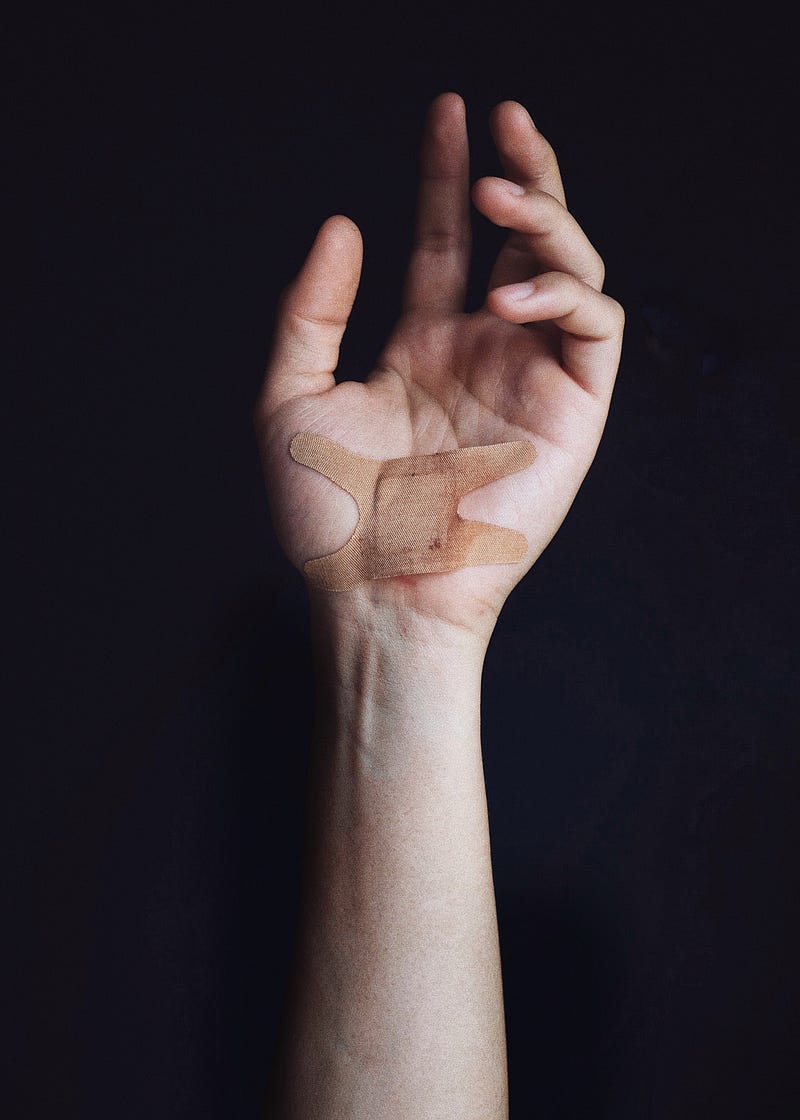
The poem "What Scabs Conceal" metaphorically reflects on the uncertainties of knowing when to confront the risks of exposing vulnerabilities after an injury, comparing it to the process of healing and the timing of peeling off a scab.
Abstract
"What Scabs Conceal" is a contemplative poem that uses the analogy of a scab to explore the complexities of healing and risk-taking. It acknowledges the difficulty in discerning when one is ready to face the potential pain of reopening a wound, likening this to the act of removing a scab. The poem describes the possible outcomes of this action: the risk of fresh bleeding, the sensitivity of premature exposure, or the reward of a fully healed, scar-free skin. It ponders the dilemma of not knowing the state of the healing process until one takes the chance to remove the protective layer, emphasizing the necessity of taking risks to move forward.
Opinions
- The poem suggests that healing is an opaque process, with no clear indication of when one is truly ready to move on from an injury.
- It implies that taking the risk to expose a healed wound can lead to one of three outcomes: re-injury, tender vulnerability, or complete recovery without visible scars.
- The author muses on the idea that the only way to determine if healing is complete is to actively test it, despite the inherent uncertainty and potential for setbacks.
- The poem conveys a sense of patience and the value of waiting for the right moment to confront past hurts, while also acknowledging the courage it takes to make that decision.
- It reflects on the human condition, particularly our resilience and the cycles of injury, healing, and recovery we experience.