The Trusty Gardener-Planting Onions and Potatoes
Taking Advantage of This Prolonged Dry and Sunny Weather
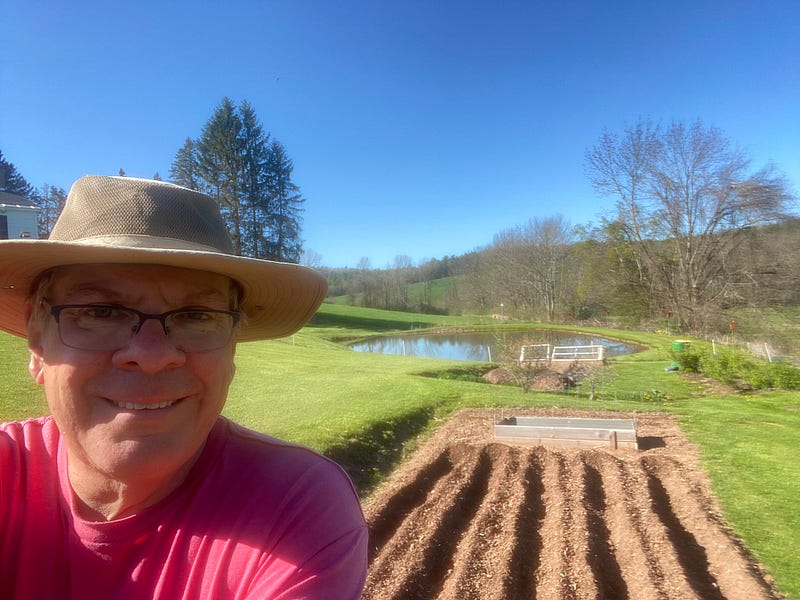
Welcome back. Progress on the 2022 garden continues. The weather this week has been phenomenal. With the exception of some cold morning temperatures early in the week, it has been perfect. Yesterday it was in the low 80s with a gentle breeze and low humidity. It was a great day to plant potatoes. But first, last week I planted yellow onions.
Planting Onions-The Advantages and Disadvantages of Using Black Plastic Film
Last week I planted some yellow onions, the Stuttgart type onions that store well. I bought the sets at a local farm store. I had some black plastic mulch film left from last year so I decided to use it. It works well to suppress weeds and has small perforations to allow water to pass through. Sometimes it’s hard to get it set up since you have to cut slits or holes to plant and also anchor it with stones or plastic/metal spikes. It also serves to warm the soil to promote germination and/or plant growth.
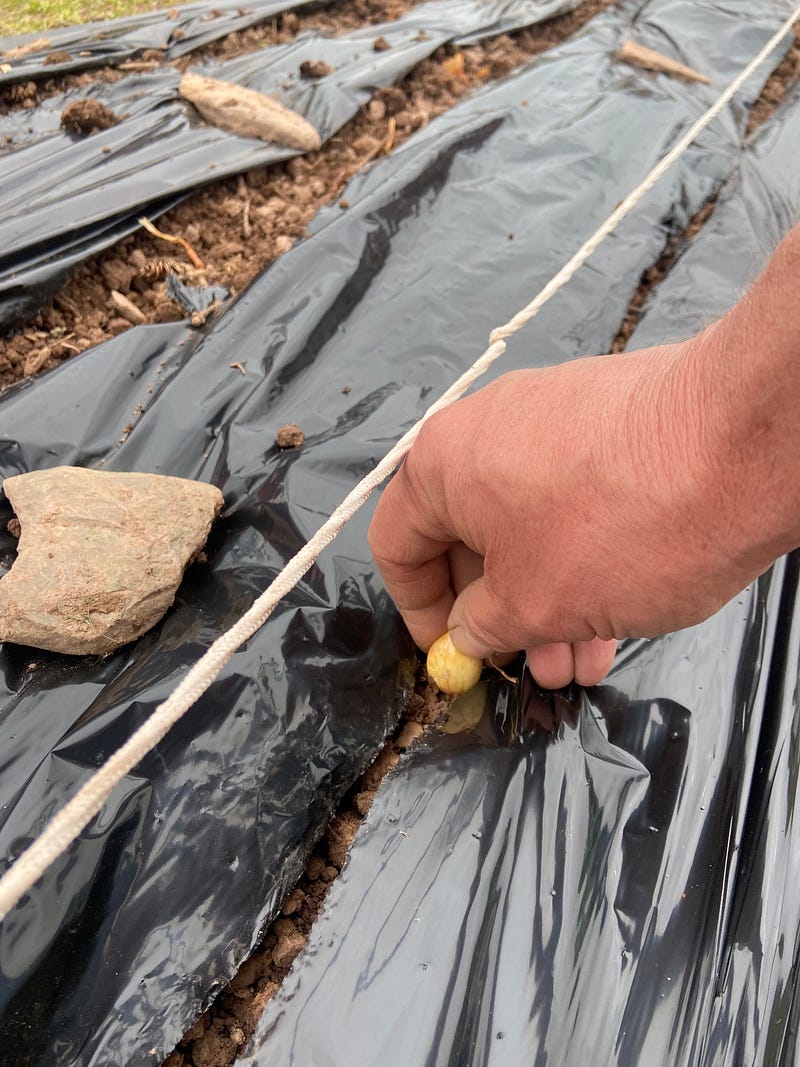
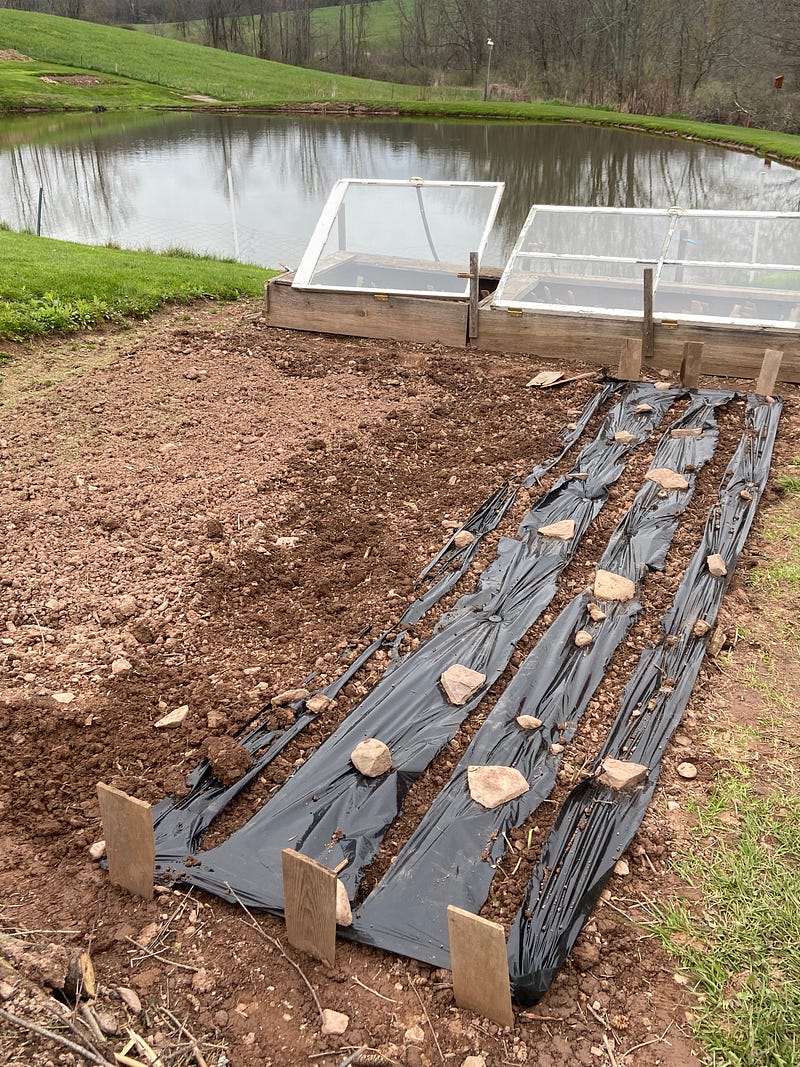
Once I planted the onions, I threw a little netting over them. Why? It may sound strange, but I’ve had problems with birds picking the onion sets out of the ground. They don’t eat them. They just pick them out and leave them lay. The netting eliminates this issue. Once the onions get a little higher I will remove the netting.
Potatoes Anyone?
A few days ago I planted potatoes. It’s a tad early, but with the great stretch of weather, I should be in the clear. By the time they come up in a week or 2, all danger of frost should have passed.
I actually dug the trenches the day before, using a hoe to create ditches about 6 inches deep. The idea is to plant them deep enough so they can grow under the soil without being exposed to the sun. Why is this important? When exposed to sun, potatoes turn green and should not be eaten due to toxins. Once the potatoes come up, they also will need to be “hilled”, which is simply building up the soil around the plants, to ensure the growing potatoes stay under the soil.
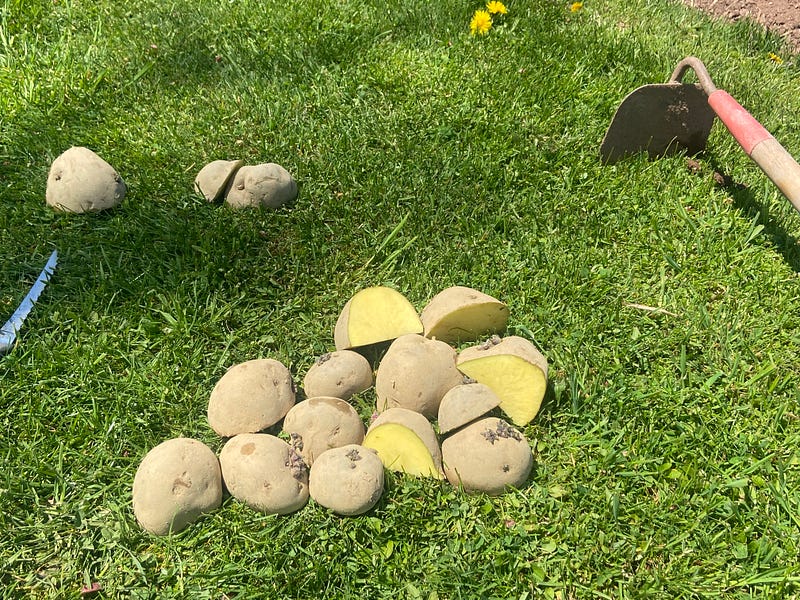
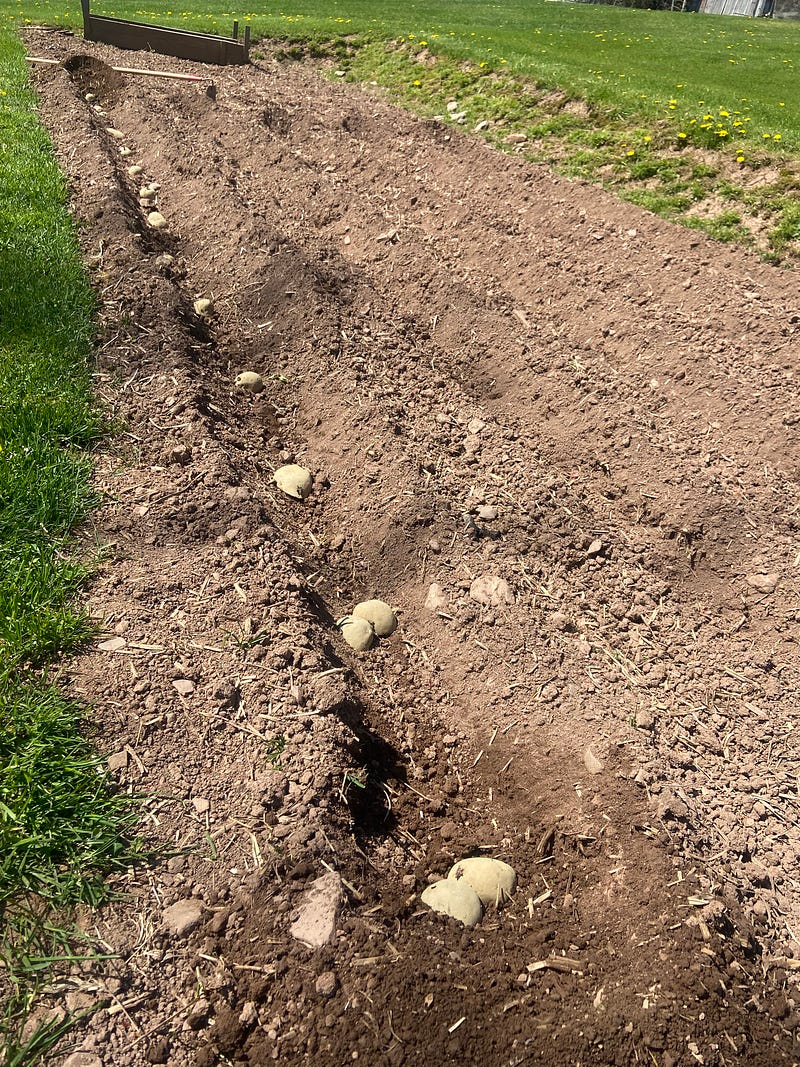
I planted 5 rows of Yukon Gold potatoes, 60 hills worth. I purchased the seed potatoes from a local farm store, and those were enough for 4 rows. For the 5th row, I used a few leftover Yukon Gold potatoes from last year (small ones that we didn’t use). They had started to sprout making them perfect for planting. You can’t go wrong with Yukon Gold. This variety is great for any purpose, an outstanding potato.
I only partially covered the seed potatoes with about 2 or 3 inches of soil instead of completely filling in the trenches. This will allow the soil to warm faster and the potatoes to sprout quicker. Once they start to grow, I will then gradually “hill” up the soil around the plants.
I also planted some Red Norland potatoes, a great potato for salads and boiling. They are not recommended for baking. However, they stand out in a potato salad. For this variety, I used the “straw” method, a different approach that I tried last year with success. This technique is a no-dig method; the seed potatoes are simply placed on the soil and covered with about 4 inches of straw. As the plants grow, more straw is added similar to hilling the soil around the plants. For more information, see the article I wrote last year.
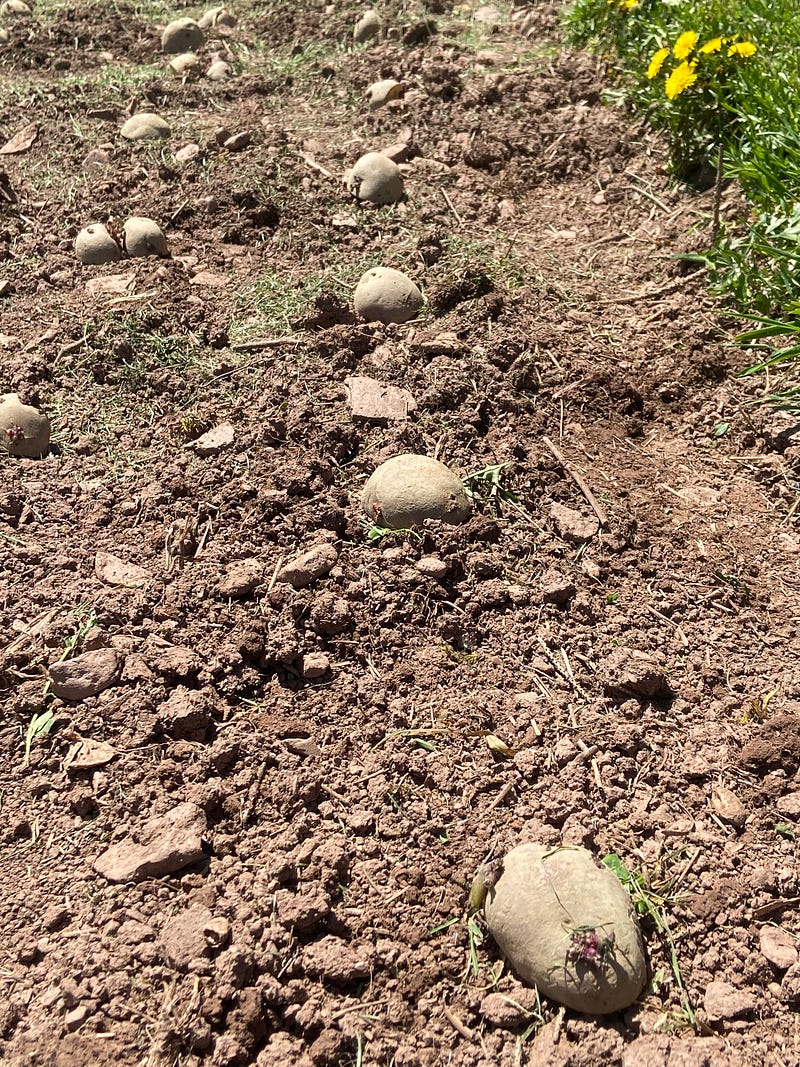
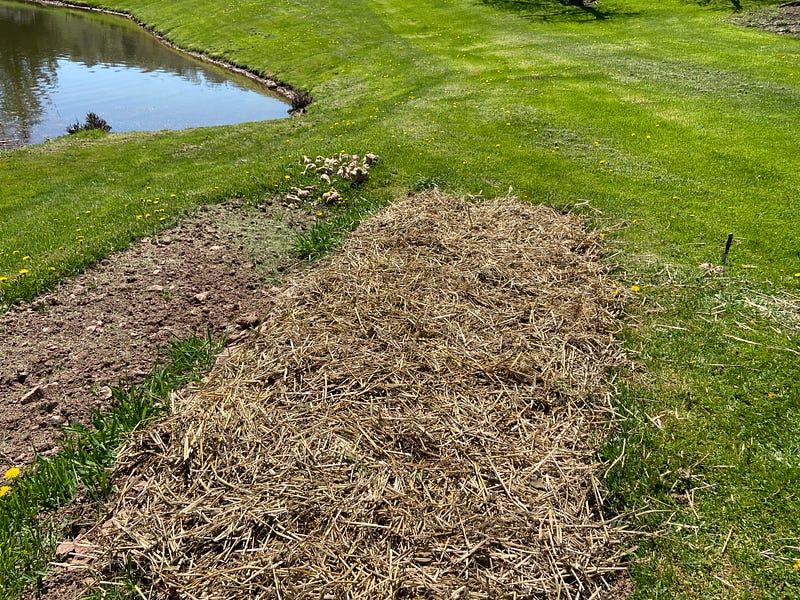
I also wrote a follow up article about my results from growing potatoes using straw. I was pleasantly surprised.
Stay tuned for more garden updates. This is a very busy time in the garden. I am just getting started. Have you started your garden?
For additional content follow me on Ko-fi.

If you would like to experience Medium for yourself, consider supporting me and thousands of other writers by signing up for a membership. It only costs $5 per month, it supports us, the writers, greatly, and you will make money with your writing as well. By signing up with this link, you’ll support me directly with a portion of your fee; it won’t cost you more. If you do so, thank you so much!