
The True Story Of The ‘Wise Gals’ Of The CIA
The CIA’s “Wise Gals” are the unsung heroes of espionage…
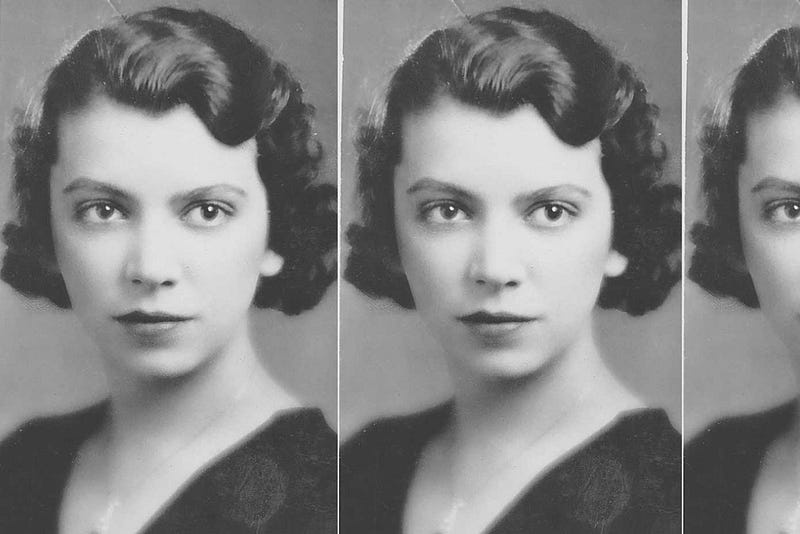

Intelligence and espionage have been crucial components of governments and nations for centuries, and the United States is no exception to this historical reality. From the early days of the Culper Spy Ring during the American Revolution to the modern operations of intelligence agencies, women have played pivotal roles in the world of espionage.
The Birth of Espionage in America
Espionage has been intertwined with the history of the United States since its inception. During the American Revolution, the Culper Spy Ring operated clandestinely, gathering critical information for the Continental Army. While the existence of ‘Agent 355’ remains a mystery, the legacy of female spies like Harriet Tubman, who later served as a Union spy during the Civil War, illustrates that women have long been involved in covert operations.
The Role of Women in World War II
With the outbreak of World War II, espionage became a global necessity, leading to the establishment of the Office of Strategic Services (OSS), the precursor to the CIA. Women emerged as vital assets in the OSS and other intelligence agencies worldwide. However, their journey was not without challenges, as they had to confront pervasive sexism in a male-dominated field.
Gender Bias in Espionage
During the mid-20th century, female CIA agents faced gender bias and stereotypes that undermined their contributions. Male officials questioned women’s emotional stability, objectivity, and ability to handle the pressures of espionage. Such attitudes hindered the progress of women in intelligence agencies and perpetuated gender inequality.
Advantages of Female Spies
Ironically, societal biases also provided a unique advantage to female spies. Their ability to operate discreetly, often unnoticed, allowed them to move freely and carry out covert missions. This invisibility was a valuable asset when delivering secret messages, attending covert meetings, and even escaping dangerous situations.
The Office of Strategic Services: A Trailblazer
The OSS, under the leadership of William J. Donovan, defied prevailing gender norms by actively recruiting women into its ranks. Donovan recognized that diversity and passion were essential for effective intelligence operations. Women like Eloise Page played significant roles in shaping the agency’s strategies and fostering collaboration with British intelligence.
Legendary Female Spies
The stories of female spies from the OSS are nothing short of remarkable. Virginia Hall, often dubbed “The Enemy’s Most Dangerous Spy,” overcame incredible odds, including a wooden leg, to run her intelligence network in Nazi-occupied France. Other OSS women, such as Barbara Lauwers and Cordelia Dodson, excelled in propaganda, counterintelligence, and covert operations, leaving an indelible mark on the history of espionage.
Legacy and Progress
The ‘Wise Gals’ and their contributions did not immediately lead to substantial changes in the CIA. Discrimination and gender biases persisted in the agency for years. However, as the women’s rights movement gained momentum in the 1970s, some recommendations from the 1953 Petticoat Panel began to materialize. Margaret McKenney, a member of the Petticoat Panel, became the CIA’s first Federal Women’s Program Coordinator, and progress towards gender equality gradually advanced.
The Evolving Role of Women in the CIA
In subsequent decades, the CIA continued to reassess its treatment of women. Female agents took on prominent roles in solving critical cases, with individuals like Jeanne Vertefeuille contributing significantly to the agency’s success. Gina Haspel’s historic appointment as the first female CIA director in 2018 marked a significant milestone in the agency’s journey toward gender equality.
The ‘Wise Gals’ of the CIA, despite facing prejudice and gender bias, played pivotal roles in the history of American espionage. Their stories are a testament to the resilience, resourcefulness, and dedication of women in intelligence. As the intelligence community continues to evolve, the legacy of these pioneering women serves as a reminder of the importance of diversity and gender equality in ensuring the security and success of a nation.
If you want to read more interesting and insightful stories, why not join Medium and become a member — Click Here!