
The True Scale Of COVID Fraud Is Revealed
And it’s much worse than expected.
The COVID-19 pandemic thrust tough ultimatums upon governments, and it will take many years before we can say with certainty whether we reacted appropriately.
Was it wise to close schools for so long? It may have slowed the spread of COVID, but at enormous cost to the educational and social development of children.
Were countries like Austria and France right to introduce vaccine mandates? They will have saved some lives in the short-term, but delivered a devastating blow to public trust in the government and health authorities for years to come.
Did it make sense to pump trillions of dollars into the economy to keep it afloat? It seemed necessary at the time to stop a global meltdown and save jobs and businesses — but it contributed to the vicious inflation that has made life a struggle all over the world for the last few years.
But on the government stimulus, there was another point to ponder: will the money actually be spent well? The consensus at the time was that the scale and speed of the relief meant that the money couldn’t be scrutinized properly and so would be more prone to fraud than usual— but that we had no choice.
The words “we have no choice” typically make for great TV drama, but terrible governance. The atmosphere of panic surrounding the pandemic lockdowns meant that implementation was always going to be rushed and sloppy.
As early as June 2020, France was investigating 12,000 cases of suspected COVID fraud; the UK estimates it lost £4.5 billion to error and fraud, from a total pandemic rescue cost of £310 billion. But the figures in the US, which a governmental body has just published, are far worse.

The US Small Business Administration has released a report on its distribution of two federal relief programs: the Economic Injury Disaster Loans (EIDL) and the Paycheck Protection Program (PPP). The agency’s inspector-general found that $136 billion from the former was lost to fraud, and $64 billion from the latter.
This report only considers two components of direct COVID relief. Together, they amount to $1.2 trillion of US government stimulus, out of a total of $4 trillion over the past few years and several bills. That means at least 17% of the relief money (and 33% of the EIDL funds) disappeared to fraud, significantly more than previously expected.
That the proportion of US fraud is potentially 17%, compared to 1.45% of UK spending going to fraud or waste, suggests that either US fraud monitoring is remarkably more robust, or that the US relief was extremely badly supervised and prone to exploitation.
But even though it seems like the American relief plan might have had more holes than a pasta strainer, there’s a case to be made that it was still the right approach. The US economy has recovered far more successfully than that of economic rivals like the EU, Japan or Britain. That explosive injection of cash is helping the US economy run red hot right now.
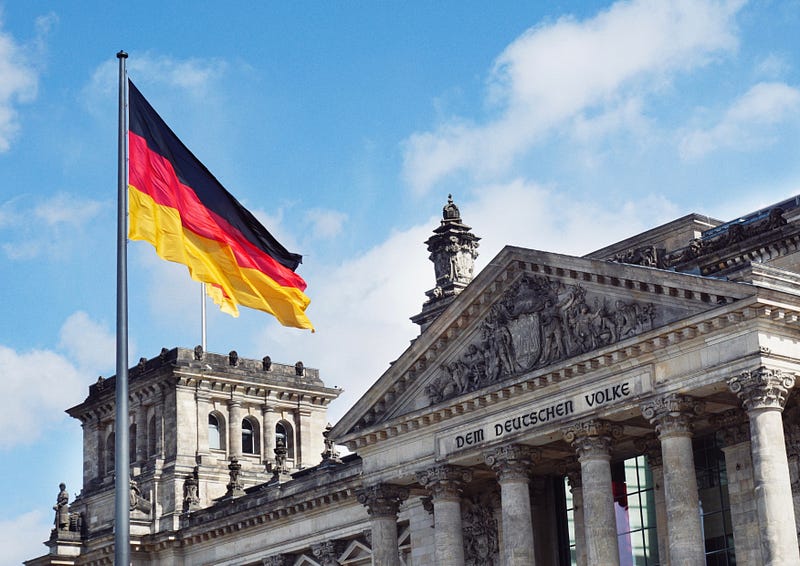
It might take some time for us to be sure that this represents the real strength of the American economy, rather than a bubble — but for now, American politicians will shrug these figures off as a temporary embarrassment, and pat themselves on the back for a gamble that seems to have paid off.
The situation mirrors a debate in development economics about the merits of monitoring and earmarking aid, with many figures in the philanthropic world arguing that it makes more sense to give cash to the world’s needy and let them decide how to spend it than to give them chickens and power drills and insist on extensive monitoring. The cost of red tape often outweighs the value of fraud-prevention.

The US coped with the Global Financial Crisis of 2008 much better than Europe as well. While Southern European countries like Italy and Greece never fully recovered, the US has overwhelmingly moved on. The euro has never threatened the dollar since, and Europe has dramatically fallen behind in fields like tech.
The US will now busy itself with the recovery of that stolen money. After more than 1,000 indictments, 800 arrests and 500 convictions, almost $30 billion has been recovered so far. As a percentage of stolen money recovered, it is quite similar to the £762 million that the UK managed to claw back as of March 2022.


