
NATURE. PHOTOGRAPHY. TRAVEL
The Tree that Gave the Park its Name
Their blossoming beauty is what attracts visitors at this time of the year
Traveling in countries where the native language is foreign to us, we often don’t know what certain things stand for. We don’t just do not understand a simple conversation but we also don’t know the meaning of a city name or what a mountain stands for.
Often we don’t even consider that this name has a meaning at all. The word just appears like a mixture of random letters. Only when we start digging into the foreign language do we get an idea of the background and history of an item.
When I started to write I began to research more and more on things. I looked up facts I wanted to bring up just to make sure I was right about what I was writing. But I also looked up background information on places, times, and people in order to fill my sentences.
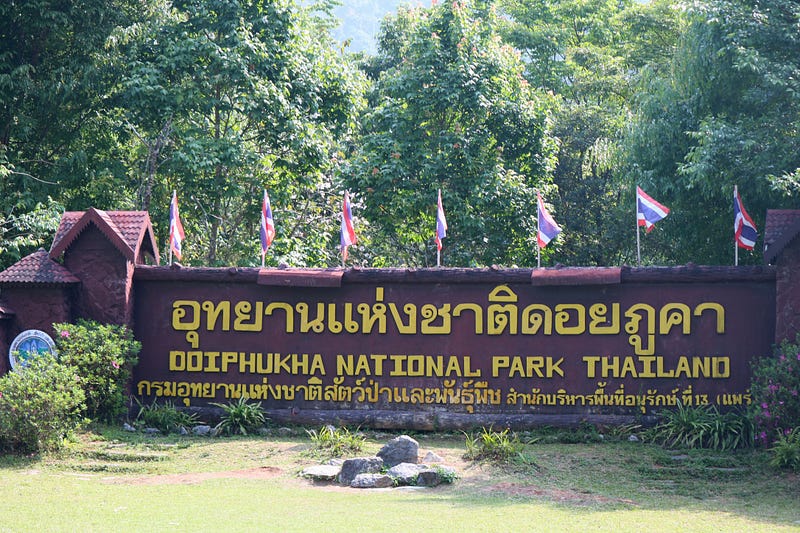
When I was looking for places to go to in Thailand I searched for remote regions and hiking destinations. This was when I stumbled upon Doi Phu Kha National Park. I chose the place due to its remoteness and because I could find barely any information on it.
Reading about different parks in the northern part of Thailand I noticed the word “doi” in almost every one of them. Quickly I assumed it must have a connection of mountains. And I was right, doi stands for mountain or hill.
But I didn’t dig deeper into the meaning of this national park. I just assumed it’s a random name and I was anyway too occupied trying to find any information on accommodation places, where one can hike and can get food from.
Somewhere during my research, I read in an accessory sentence that the park was famous for some blossoms which were blooming every year in February and March.
I didn’t read up anymore on it, because well, research on the place is basically non-existent. At least in English.
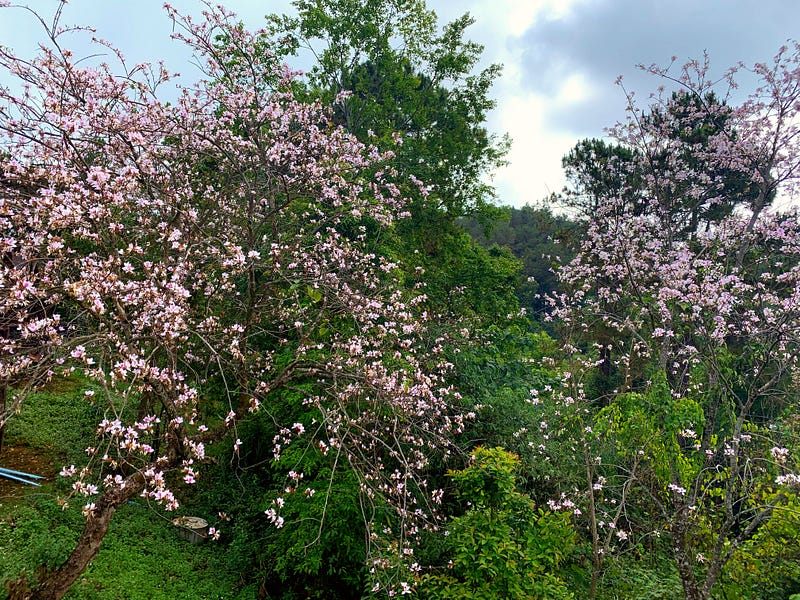
However, once we got to the park I remembered what I read on the pretty blossoms and captured the first ones appearing to me being the famous ones.
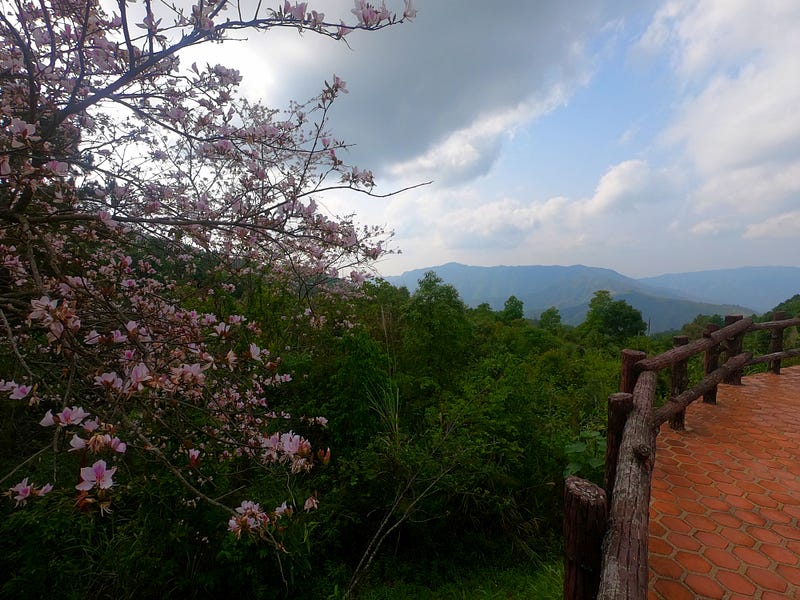
The national park was pretty green due to the dense forest and not many flowers were to be seen. These pink blooming trees were standing out wherever they grew.
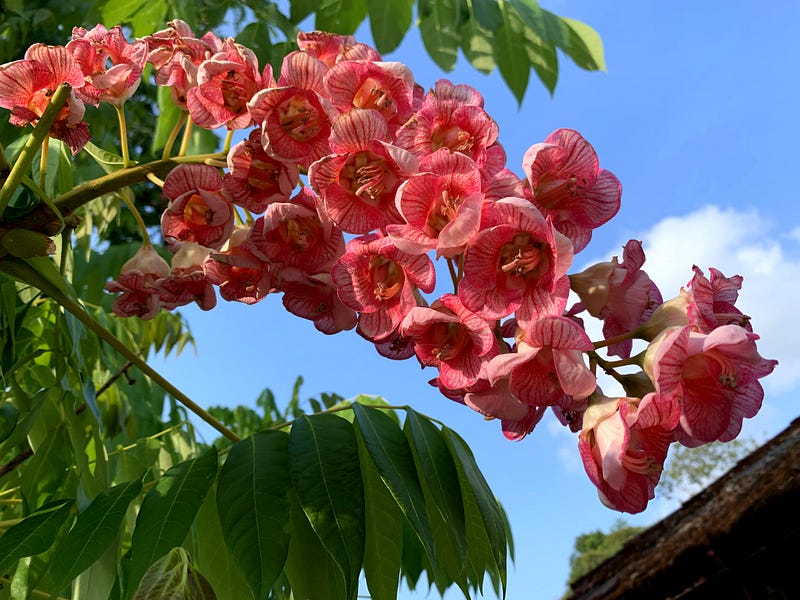
I even managed to get closer and see the blossoms in detail.
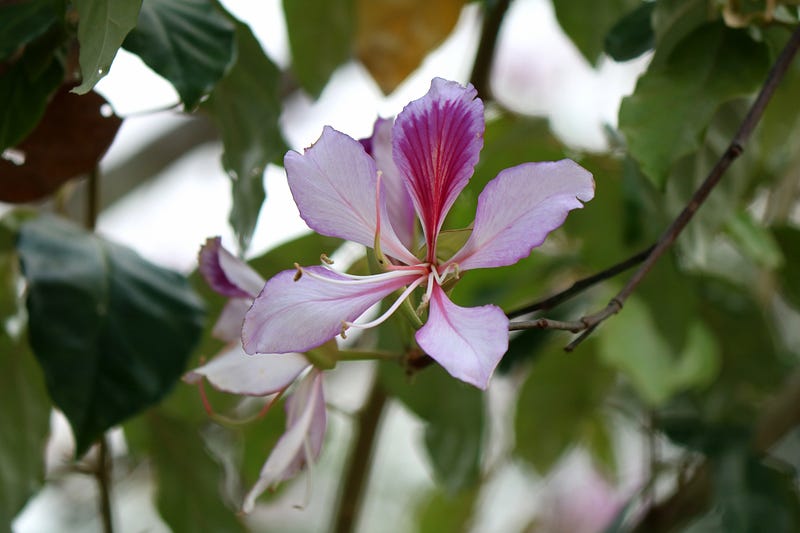
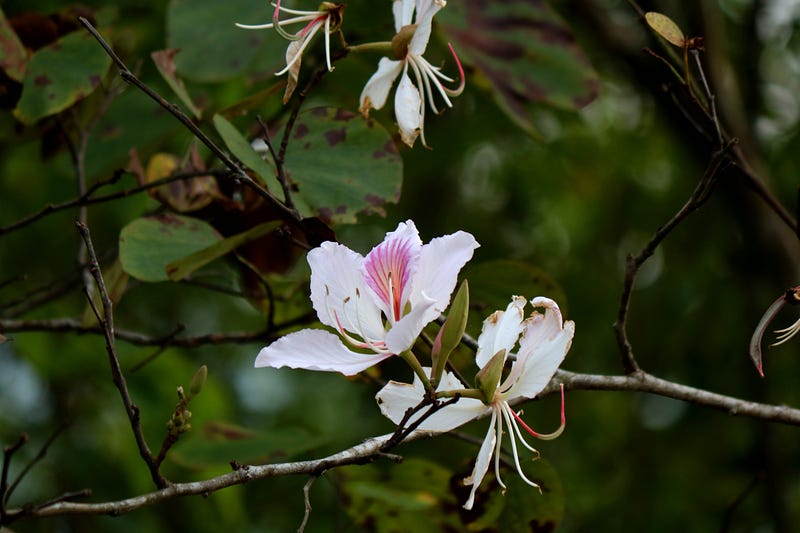
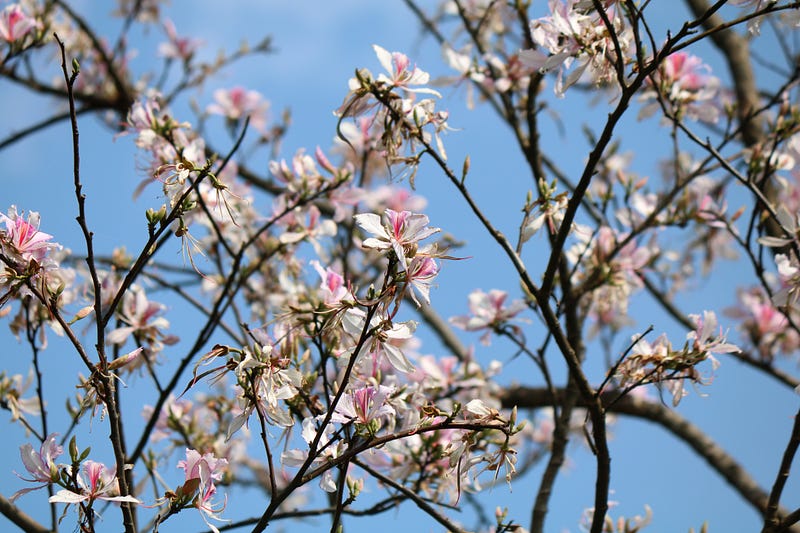
During the hike on our first day in the park, I captured everything that stood out to me.
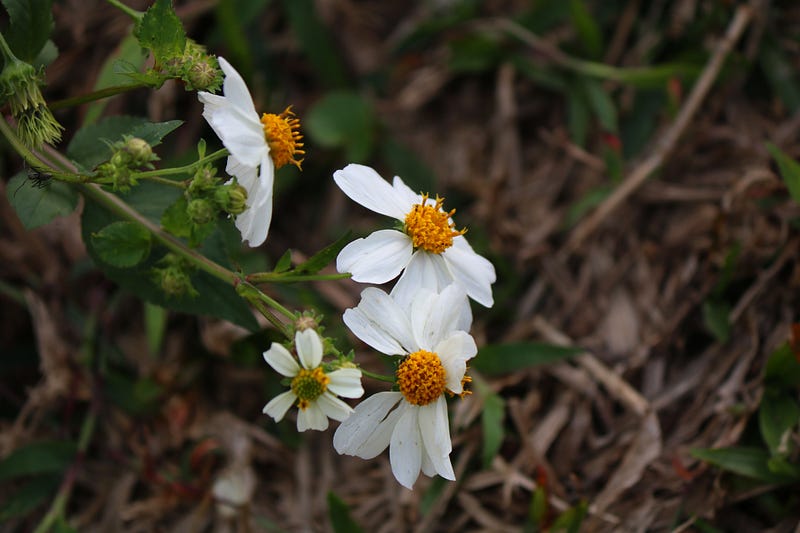
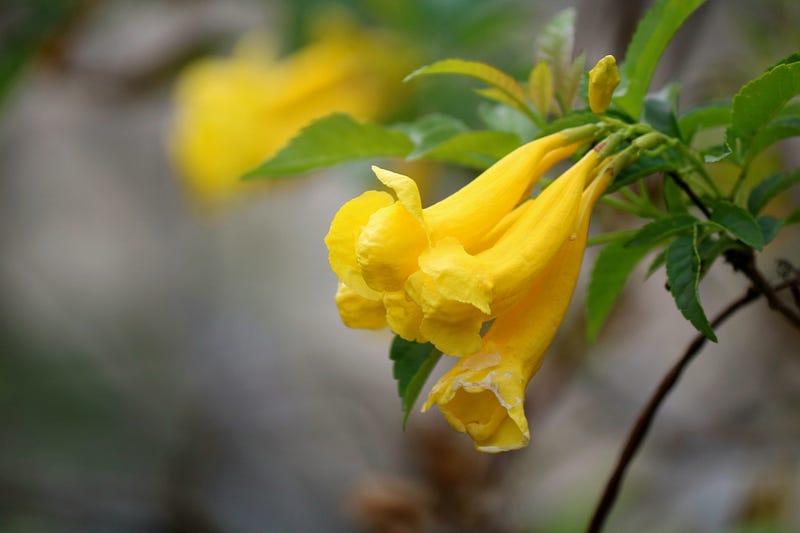
As we were sitting at the table waiting for our early dinner (the restaurant closed at 5 pm) a group of Thai tourists arrived and they all went crazy on the tree just a few meters from our table.
They zoomed in on the blossoms, took selfies, and simply admired the tree. This was when I first started doubting my assumptions about the famous plant. Because this one was a different one.
And then, believe it or not, some local guide or resort employee sitting next to us spoke up and explained in broken English but the best we had heard all day, about this unique tree and its blossoms.
This tree gave the park its name and not the other way around.
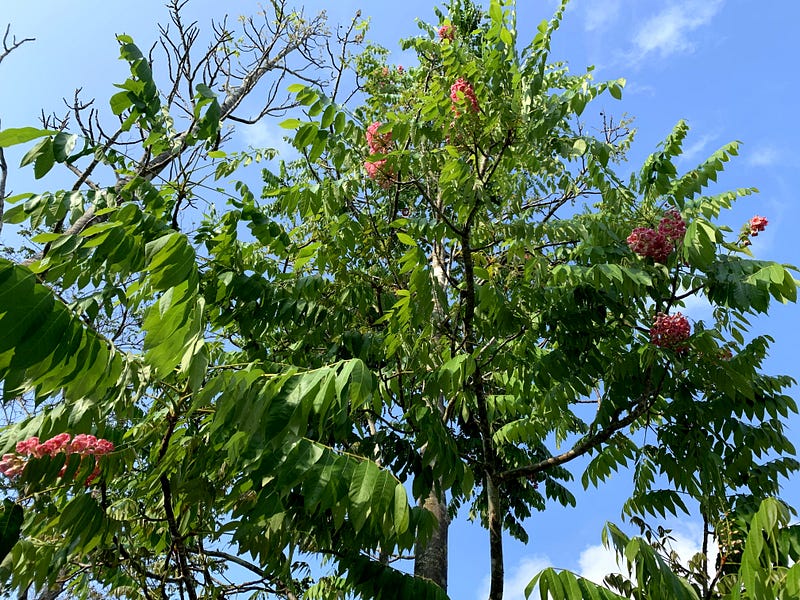
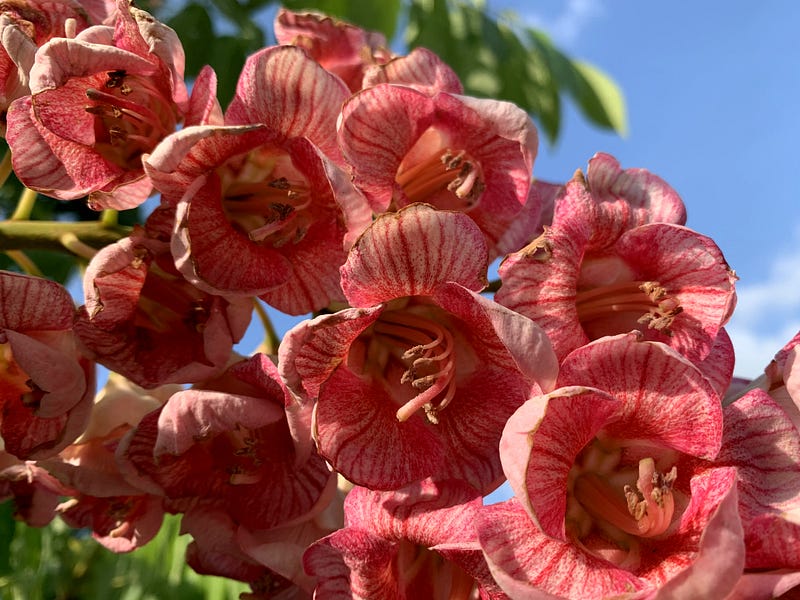
Chomphu Phu Kha tree (Bretschneidera sinensis) was a plant that was assumed as extinct until it was found in the Luang Prabang mountain range. Today this tree is known to be endemic to Doi Phu Kha National Park.
The bright shiningly pink blossoms that start to bloom each year in February and reach their peak in March are one of the main attractions of the park. Next to its stunning viewpoints of course.
If you’re going on the circular hiking trail written out at headquarters in the park, you will pass several samples of this tree. We got there just as the first blossoms started to bloom (see below).
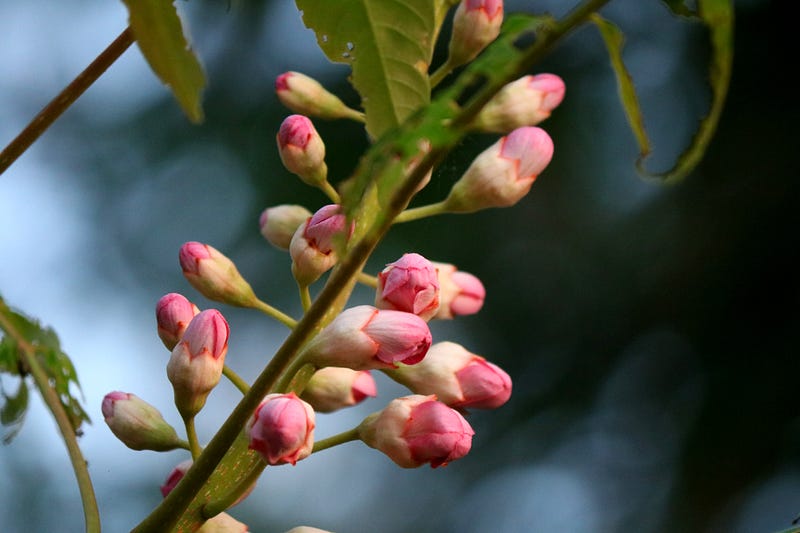
If you have the time and resources to do some research the next time you’re traveling to a foreign place, see what you can learn about a tree, a specific animal, or a mountain range.
There’s a lot out there. For us to learn. For us to get inspired. Just keep your eyes open and be curious. Ask questions whenever you have the chance to talk to a local or someone with knowledge about the area.
Read more about my adventures in Thailand’s North and the Doi Phu Kha National Park:
Join my email list here if you would like to read more travel essays or sign up for the Medium membership to receive unlimited access to my and other writer’s stories out here (I will receive a commission fee in return).


