
The Trap of Gambling
You must read this carefully
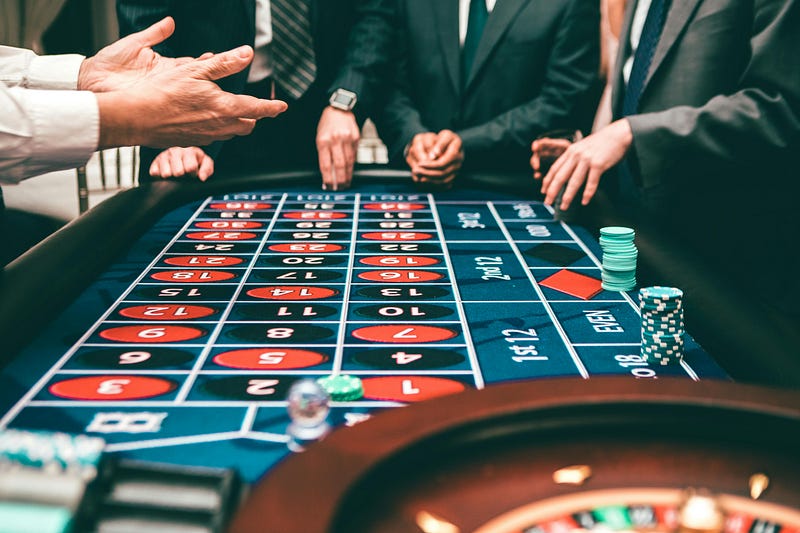
Long before written history, people used to throw little animal knucklebones to predict the future. Most likely not long after someone concluded that this holy endeavor would make an excellent secular diversion. Furthermore, I’m pretty sure that some gamers struggled with gambling from the start. It is possible for us to categorize gamblers roughly into three groups:
◉Gamblers with experience. There are very few people who gamble for a living. Professionals that are successful focus on wagers that demand knowledge and discretion rather than ones that only depend on luck. Like any other career, they require a variety of talents that are developed through time. An analyst is a professional. She manages her time and finances well and maintains her composure.
◉Social gamblers. By far the largest group is this one. Social gamblers take pleasure in their gaming. The admittance fee is their stake money. Winning is fantastic, but there is also loss in this game. They never spend more than they can afford because they accept this. Social gamblers enjoy themselves.
◉Problem gamblers. The problem gambler has long since lost what fun is. An addiction to gambling that can be just as strong as an addiction to drugs or alcohol is what defines a problem gambler.

Gjonaj’s Unfailing Method
According to the website of the U.S. Securities and Exchange Commission, a man by the name of Viktor Gjonaj was found guilty of scamming around $26.4 million from his fellow Albanian Americans and received a term of more than four years in prison. Gjonaj used the majority of this money to play the Michigan State Lottery, which he used to pay investors for his real estate ventures. He was a man who liked numbers and believed that winning lottery numbers followed a certain pattern. A person with sufficient intelligence to comprehend the system would become extremely wealthy. The key was in his possession, but it was locked within a treasure chest. It wasn’t shocking that he occasionally won because he would occasionally spend $1 million a week on tickets. Every victory boosted his self-esteem, and every setback was an opportunity for improvement. The losses outweighed the gains, naturally.
Obsessive Gambling
A British woman and her partner listed their home for sale not too long ago. The woman kept both the sale of the house and the money to herself. She continued to fuel her addiction to online slot games with the money. When gambling turns into an addiction, individuals will take out loans, overspend, and tell lies to themselves and their loved ones about their gambling behaviors. They frequently don’t enjoy their addiction, and in order to experience the same rush, they have to take on greater risk. The internet has become into a haven for gamblers. Every hour of the day, every day of the year, there are countless opportunities for everyone with access to a phone, tablet, or computer to spend money. Online gambling has the drawback of being a problem that is simple to conceal. Online slots guarantee to return at least 80% of the initial investment; most pay out more. People frequently perceive this statistic incorrectly, though. Assume a gambler discovers a slot machine he enjoys and discovers it has a 90% payback rate. This will be interpreted by many as a 9 out of 10 chance of winning. Consider it this way, though: if you wager $100, you will only lose $10. A compulsive gambler will view the difference differently from a social gambler, who will see it as a cost. The inevitability of losing at games of chance is something that an obsessive gambler finds impossible to accept.

Where to Turn Hard
Data is hard to come by, but estimates of the number of Americans suffering from a gambling issue range as high as two million. There is support available, and the website that can lead you in the correct route is linked below. It can be difficult to diagnose someone with a gambling addiction, and some addicts are skilled at maintaining a false sense of normalcy. Often, the first step toward recovery is for the afflicted person to admit they need assistance. It’s available if you need it.


