
The Transformative Power of Growth Mindset vs. Fixed Mindset
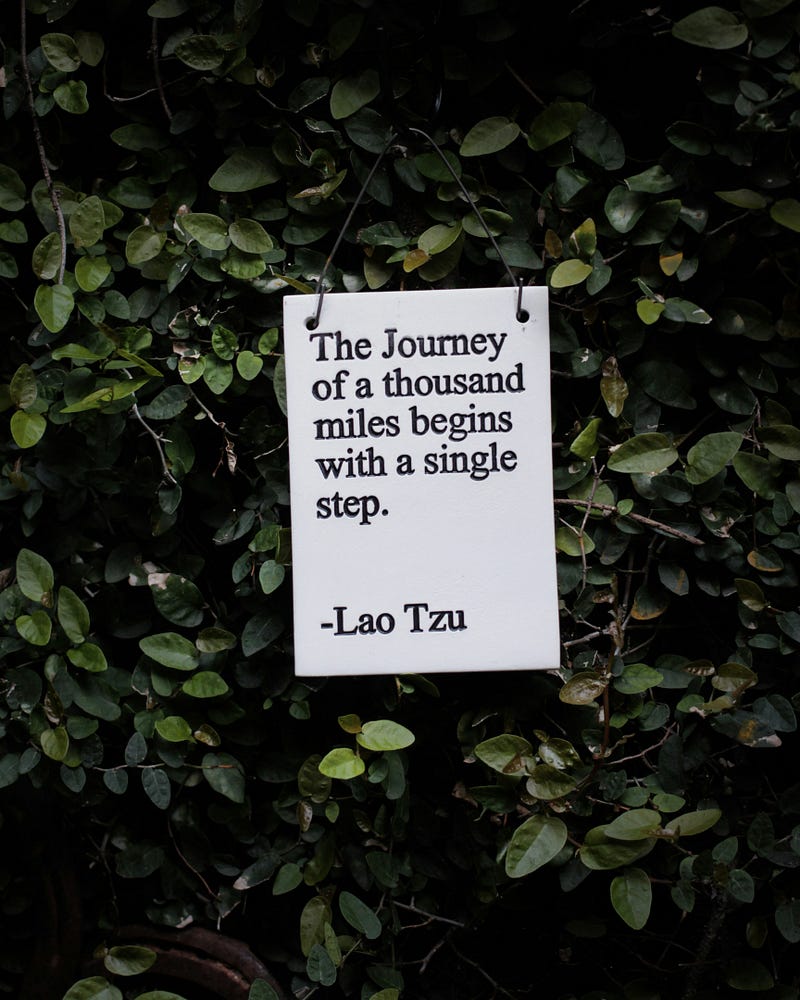
How we see ourselves profoundly shapes our lives. Do we view our abilities as fixed and unchanging? Or do we believe we can grow and improve through effort? Our “mindset” determines how we interpret challenges, cope with setbacks, and envision our potential. Psychologist Carol Dweck’s pioneering research reveals the power of cultivating a “growth mindset.” By understanding the difference between growth and fixed mindsets, we can thrive even in the face of obstacles.
The Fixed Mindset
A “fixed mindset” assumes our skills and talents are preset at birth and remain static. With this worldview, we are either inherently “smart” or not, “artistic” or not, or “athletic” or not. It’s a deterministic perspective with no room for development.
“Individuals possessing a fixed mindset often steer clear of difficulties and are prone to surrender swiftly.” After all, if you can’t get better, why bother trying? They see effort as fruitless because it can’t change unalterable “talent.” Mistakes and criticism feel threatening, as they reveal permanent “flaws.” Each failure confirms you’ve hit the limits of your fixed abilities.
A fixed mindset cripples confidence and breeds helplessness. It excuses stagnation by labelling growth as impossible. We stop pushing boundaries and realizing our potential.
The Growth Mindset
Conversely, a “growth mindset” understands all abilities can be developed with effort over time. Skills aren’t endowed at birth; they are cultivated through experience. We all have the seed of greatness within, if properly nurtured.
Instead of measuring themselves against others, people with a growth mindset focus on self-improvement. They embrace challenges, persist despite obstacles, and learn from criticism. Setbacks just mean more progress is needed. There are no “bad” people, only those who need guidance to unlock their potential.
The growth mindset empowers and motivates. It says that no matter where you start, dedication and education can help you thrive. Your future is expansive and filled with possibility.
Impact on Learning and Growth
Extensive research shows the direct link between mindset and achievement. People who believe they can grow engage more deeply in learning. They take on tougher challenges, use better strategies, and bounce back faster from failure. Over time, this leads to higher performance and greater success.
Students with growth mindsets outperform their fixed-mindset peers academically, even when matched for past grades and test scores. Growth-minded employees thrive in careers requiring constant upskilling. Athletes with growth mindsets reach higher levels in their sport.
Our mindset becomes a self-fulfilling prophecy. Believe you can progress, and you will. See yourself as static, and your abilities atrophy. Mindset significantly impacts nearly all aspects of life.
Developing a growth mindset
The great news is that mindsets are not fixed — we can cultivate growth-oriented thinking. Start by identifying any areas where you have a fixed mindset about your own abilities. Do you often find yourself stating, “Mathematics isn’t my strong suit” or “Mastering a new language is beyond my capabilities”? Catch and challenge these self-limiting beliefs.
When learning feels frustrating, remember that this signals growth. Reframe mistakes as helpful feedback. Focus on the progress you have made, not perfection. Surround yourself with others who inspire you to believe in your potential.
Celebrate all improvements, no matter how small. Keep pursuing your interests, even if progress is slow. Over time, choose the growth mindset again and again. Your abilities will expand in remarkable ways.
Using Growth Praise on Others
We can also nurture growth mindsets in others with how we praise and encourage. Those praised for being “smart” or “talented” develop fixed mindsets about those skills. It implies innate traits, not effort, drive success.
Growth-oriented praise focuses on the process: “You worked so hard on this!” “Your practice is paying off!” Emphasize strategies over outcomes: “Let’s look at what went wrong and how you can learn.”
Reward actions, not static traits. Applaud sticking with challenges, using good strategies, and improving. Growth-focused feedback gives people the strength to persevere.
The Power of “Not Yet”
Changing our inner narrative from a fixed to a growth mindset takes patience and compassion. The next time you’re frustrated by failure or challenge, remind yourself: “I’m not there yet, but I’m growing.” Rather than labelling a skill “impossible,” reframe it as “not yet.”
With dedication and an openness to learning, we can achieve more than we ever imagined. Do not limit yourself to who you are today. Aim for who you have the potential to become tomorrow. With a growth mindset, the journey of progress never ends.