The Transcendental Power of Art: Exploring the Human Spirit through Creation.
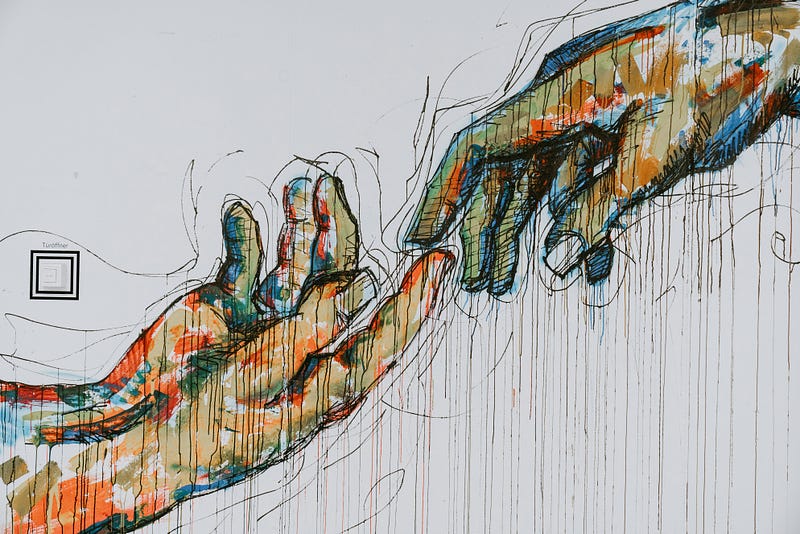
In the grand tapestry of human existence, art stands as a beacon of creativity, a testament to the boundless depths of the human spirit, and a mirror reflecting the kaleidoscope of human experience. From the ethereal strokes of a masterful painting to the haunting melodies of a symphony, art possesses the remarkable ability to evoke emotions, ignite imaginations, and transcend the confines of language and culture.
At its essence, art is a testament to the human condition — a medium through which we confront the mysteries of existence, grapple with the complexities of emotion and seek to imbue our lives with meaning and significance. From the ancient cave paintings of our ancestors to the towering masterpieces of the Renaissance, the impulse to create and express ourselves through art has been an indelible hallmark of human civilization.
In the words of the renowned artist Pablo Picasso:
“Art washes away from the soul the dust of everyday life.”
Indeed, art has the transformative power to transport us beyond the mundane trappings of daily life and awaken us to the sublime beauty and wonder that permeates the world around us. It is through the act of creation — whether painting, sculpture, literature, or music — that we forge a profound connection with our deepest selves and the world beyond.
Yet, in an age defined by unprecedented technological advancement, we find ourselves standing at the precipice of a new frontier in artistic expression — one marked by the emergence of artificial intelligence (AI) and machine learning. With AI-generated art, we are confronted by a profound question: Can machines truly evoke the same depth of emotion and resonance as human-created art?
While the notion of AI-created art may initially evoke scepticism and apprehension, it is important to recognize the transformative potential of this emerging medium. Through the utilization of sophisticated algorithms and neural networks, AI has demonstrated the capacity to generate captivating works of art that challenge our perceptions of creativity and aesthetic expression.
In recent years, AI-generated art has garnered widespread acclaim for its ability to push the boundaries of artistic innovation and challenge conventional notions of authorship and creativity. From algorithmically generated paintings to AI-composed musical compositions, these groundbreaking work serve as a testament to the remarkable capabilities of artificial intelligence to transcend the limitations of human imagination and unlock new frontiers of artistic possibility.
Yet, amidst the awe-inspiring potential of AI-generated art, it is important to acknowledge the enduring significance of human creativity and the ineffable qualities that distinguish human-created art from its machine-generated counterparts. While AI may possess the capacity to mimic the stylistic elements of human artists, it is ultimately our shared humanity — the depth of emotion, the richness of experience, and the complexity of thought — that imbues art with its transcendent power to move the human spirit.
In the words of the philosopher Friedrich Nietzsche:
“We have art in order not to die of the truth.”
As we navigate the ever-evolving landscape of artistic expression, let us embrace the transformative potential of AI-generated art while remaining steadfast in our appreciation for the enduring legacy of human creativity. For in the convergence of man and machine, we glimpse the infinite possibilities that lie ahead — a testament to the indomitable spirit of human ingenuity and the enduring quest for meaning and beauty in an ever-changing world.