
The Disturbing Story of the Rape of Nanjing
A sad episode of mass murder and mass rape in China.
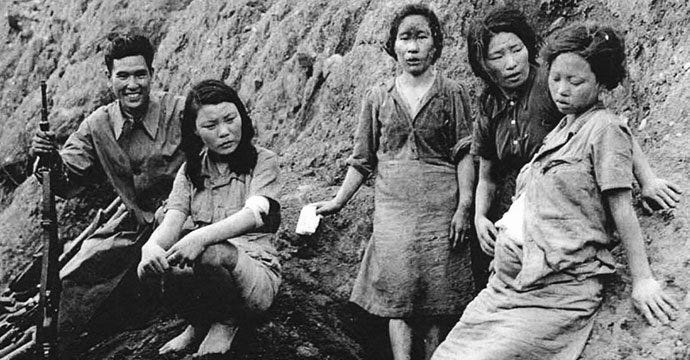
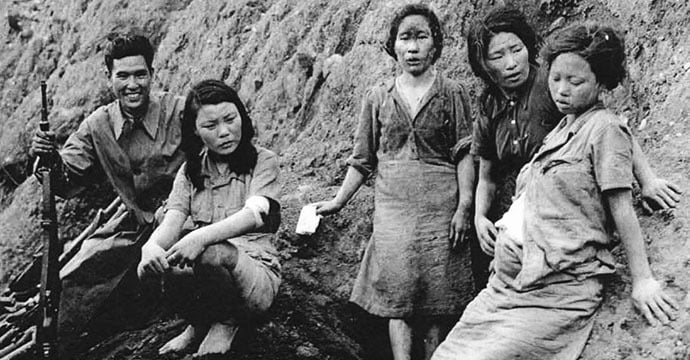
Nanjing, also known as Nanking is the capital city of China’s eastern Jiangsu province. The Imperial Japanese Army forces over a period of about six weeks, in late 1937, massacred thousands of people including both soldiers and innocent civilians in the city.
All those horrific events of mass murder and mass rape are commonly referred to as the Nanjing Massacre or the Rape of Nanjing. Reports tell us that between 20,000 and 80,000 women were sexually assaulted by the Japanese army.
Nanjing, which was the capital of Nationalist China at that time, was completely destroyed. It took several decades for the city and its people to recover from those savage and brutal attacks.
The Preparation For The Invasion
The Japanese, after their bloody victory in Shangai during the Sino-Japanese War, turned their faces towards Nanjing. Chiang Kai-Shek, the Nationalist leader, fearful of losing to the Japanese in the battle, ordered the removal of almost all the official Chinese forces from the city.
The removal meant that the city would be defended by untrained auxiliary troops. Chiang told these untrained men to defend the city at any cost and forbade the evacuation of Nanjing’s citizens. Most of the people still fled, but the rest stood their ground and were left at the mercy of the Japanese army.
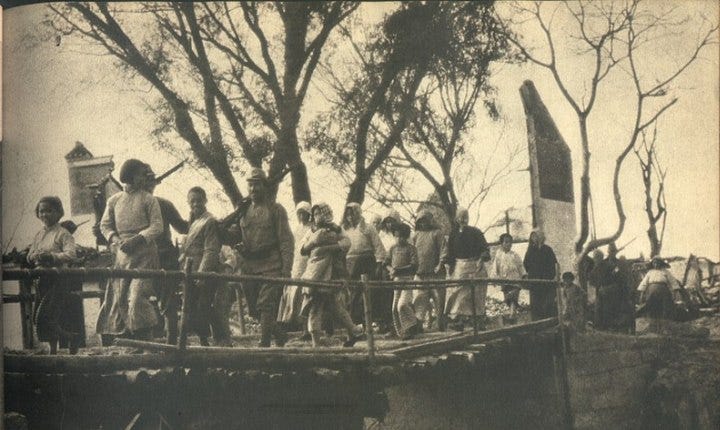

The International Committee for the Nanjing Safety Zone, formed by a small group of missionaries and Western businessmen, put together a neutral area of the Nanjing that provided safe space to its citizens. The safety refuge zone, which was about the size of New York’s Central Park, opened in November 1937.
The zone consisted of more than a dozen small refugee camps. The Chinese government abandoned Nanjing on December, 1, and left the International committee in charge of the city. All the citizens were ordered to come to the safety zone for their protection.
The Mass Murder & Mass Rape
It was on December 13, that the initial troops of Japan’s Central China Front Army, headed by General Matsui Iwane, entered Nanjing. The word of the atrocities of Japanese forces on their way to China had already begun spreading even before their arrival. They were looting and having killing contests.
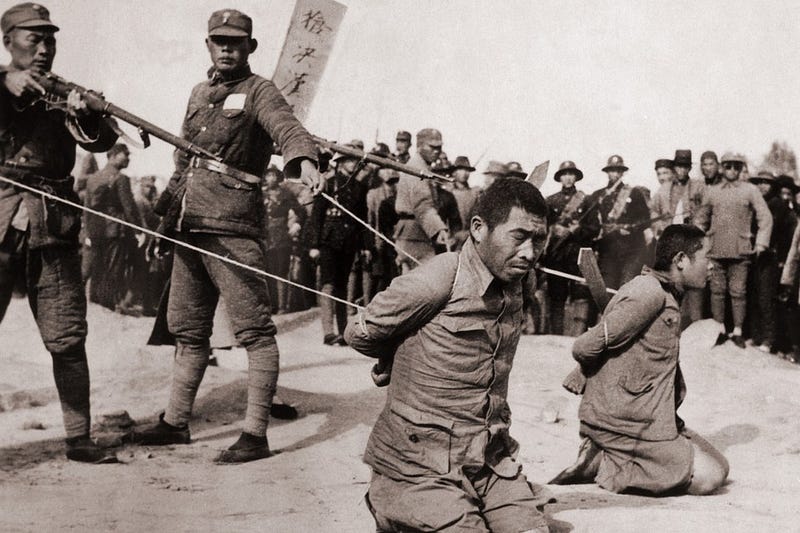
They hunted down the Chinese soldiers, murdered them brutally, and put them in mass graves. There were executions of infants and the elderly. Entire families were killed.
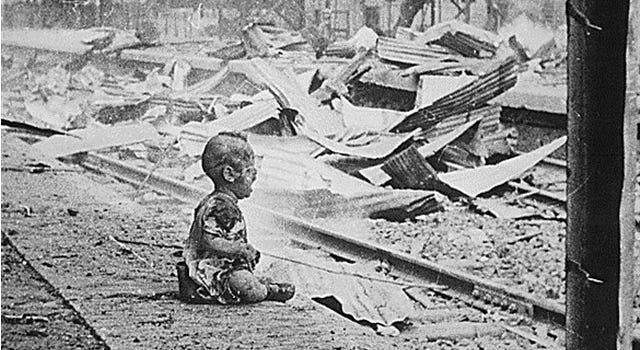
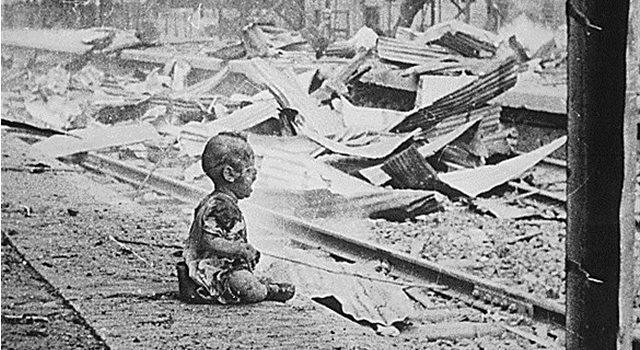
Thousands of women were raped and murdered. Their bodies remained in the streets, months after the attack. Reverend James M. McCallum, wrote in his personal diary,
“I know not where to end. Never I have heard or read such brutality. Rape! Rape! Rape! We estimate at least 1,000 cases a night and many by day. In case of resistance or anything that seems like disapproval, there is a bayonet stab or a bullet.… People are hysterical… Women are being carried off every morning, afternoon and evening. The whole Japanese army seems to be free to go and come as it pleases, and to do whatever it pleases.”
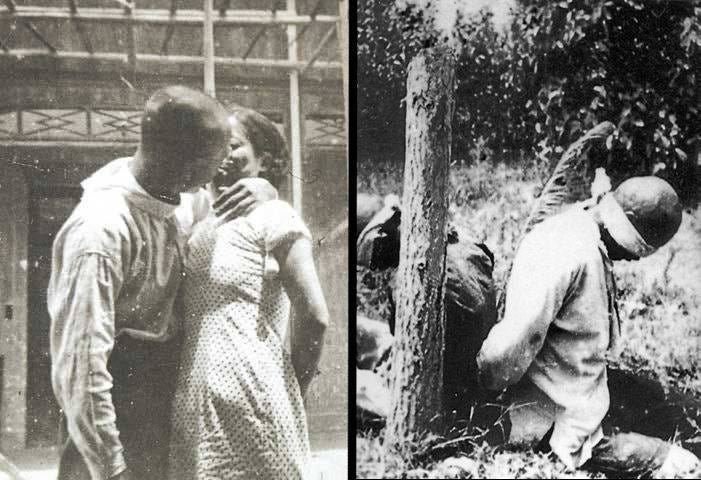
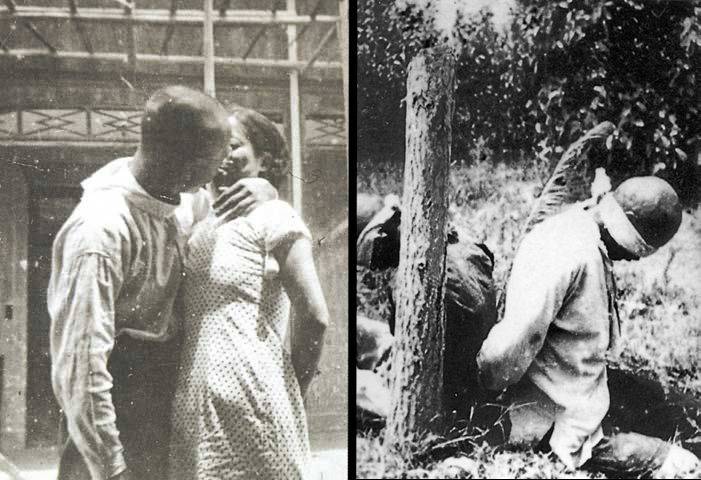
The Japanese determined to completely destroy the city, looted and burned down half of Nanjing’s buildings. They initially agreed that they will respect the Nanjing Safety Zone, but ultimately, they didn’t. The poor refugees became victims of their vicious attacks.
Robert O. Wilson, a doctor working in the Safety Zone wrote in a letter to his family,
“The slaughter of civilians is appalling. I could go on for pages telling of cases of rape and brutality almost beyond belief. Two bayoneted corpses are the only survivors of seven street cleaners who were sitting in their headquarters when Japanese soldiers came in without warning or reason and killed five of their number and wounded the two that found their way to the hospital. Let me recount some instances occurring in the last two days. Last night the house of one of the Chinese staff members of the university was broken into and two of the women, his relatives, were raped. Two girls, about 16, were raped to death in one of the refugee camps. In the University Middle School where there are 8,000 people the Japs came in ten times last night, over the wall, stole food, clothing, and raped until they were satisfied. They bayoneted one little boy of eight who [had] five bayonet wounds including one that penetrated his stomach, a portion of omentum was outside the abdomen. I think he will live.”
The Japanese forces in January 1938, announced that order had been restored in Nanjing, and they dismantled the safety zone. However, the killing and raping did not stop until the first week of February. The control of the city was given to a puppet government that ruled over it until the end of World War II.
The Aftermath
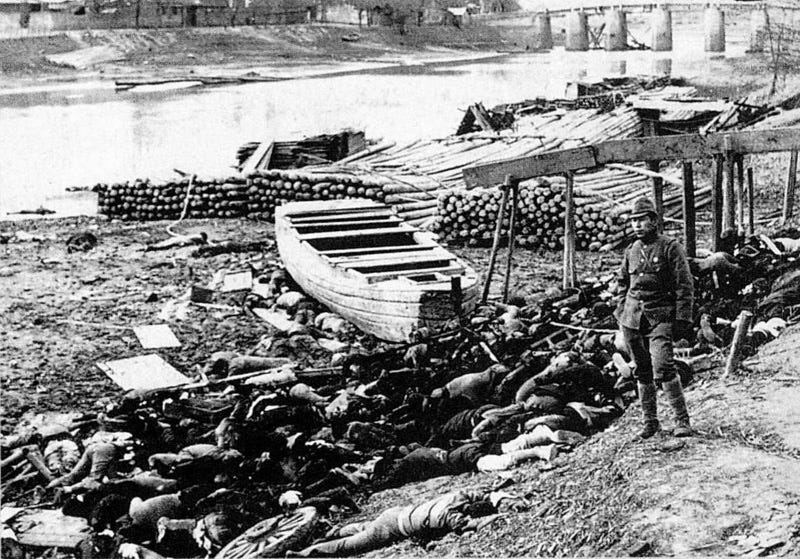
To this day, we don’t have the exact number of casualties in the Nanjing Massacre. There have been some estimates ranging from 200,000 to 300,000 innocent people.
Shortly after the end of the war, the International Military Tribunal for the Far East tried and convicted Matsui and his lieutenant Tani Hisao for war crimes. The extreme anger and disgust over the events at Nanjing have negatively impacted Sino-Japanese relations to this day.
Some scholars, historical revisionists, apologists, and Japanese nationalists have argued over the true nature of the massacre. They have exploited for the purposes of propaganda. Some say that the numbers of casualties and rapes have been inflated. While some even claim that the massacre never occurred.
The numbers might have been inflated but there is no doubt that the massacre did occur. The Japanese government itself admitted to killing and looting civilians and other crimes committed by the Japanese Army after the fall of Nanjing.