
The Traditional Thanksgiving
From my childhood
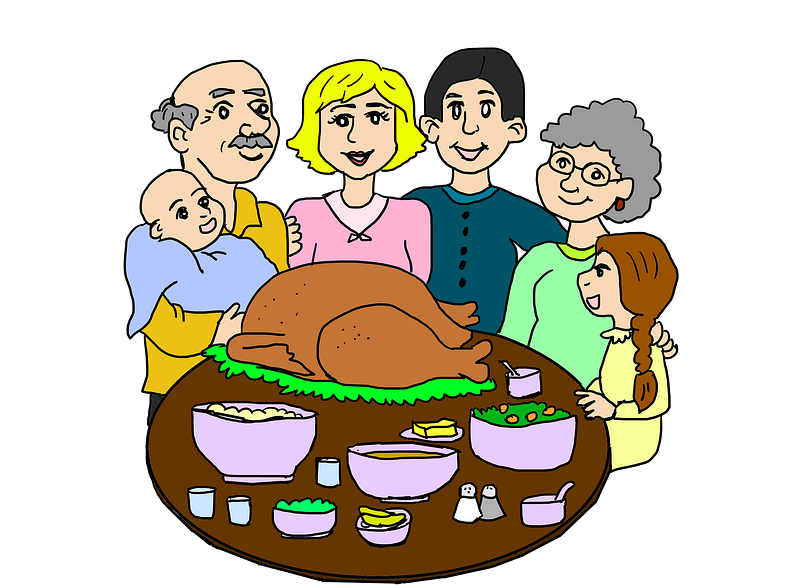
I grew up a lot like the Waltons. Tradition, tradition, tradition. The women did all of the work, the older kids too. The menfolk sat around and spun tall tails of deer they caught, and fish that got away. The kitchen was always hot and bustling. Women cooked and baked at home and then went to my maternal grandmother’s house where they collectively cooked and baked some more.
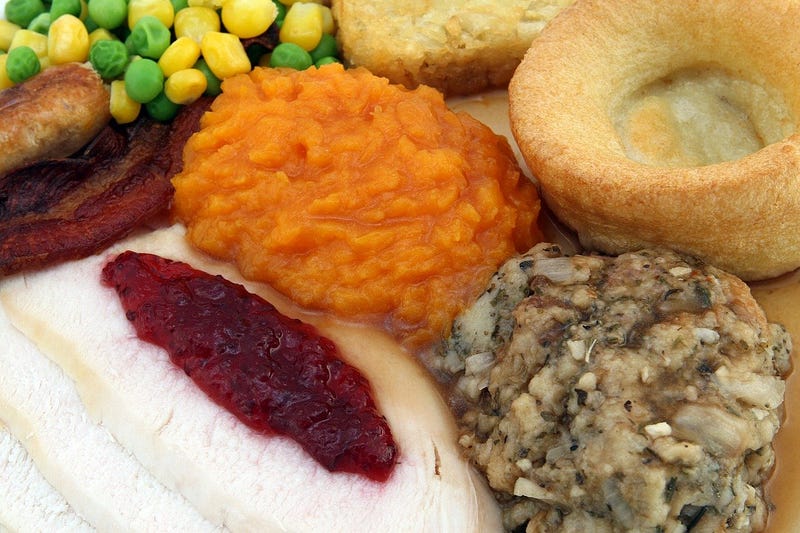
Turkey, stuffing (not dressing), baked corn, greens, homemade mac and cheese, cranberry sauce, candied yams, mashed potatoes (real nothing from a box), gravy, Waldorf salad, green bean casserole, dinner rolls, and a table full of desserts.
The guys would always sit down to eat first. If there was space in a different room there would be the inevitable kiddie table. Otherwise, they ate second. Then we ladies ate last. The whole time we’re still waiting on tables, refilling bowls, refilling ice tea glasses or coffee cups.
After we ate in the third shift it was time to do it all over again. Let’s not forget that there was no infinite stash of plates and flatware. So someone had to steadily be doing the dishes as people rotated through. Once we ate and had a minute to catch our breath, it was time to set up for dessert. Layout all of the cakes and pies, more plates, more flatware, more cups, saucers, and glasses. More, and more, and more, and more. It was literally an all-day affair. Except for us women. Then it was more like a 2 1/2 day affair. Not including making the various shopping lists of who was bringing what and when.
The shifts began again — the men, the kids, the women. In between rounds, the men would light up pipes or cigars. The women would snag a piece of this or a bite of that and pop it into her mouth. Eating on the run I believe is what this is referred to.
Thank God we only had to do this once a year. Well, twice, no maybe sometimes three times if Christmas and Easter got thrown in there and someone had the bright idea of making a to-do for each of them. Then there were the other eating affairs that took as much time, energy, effort, and planning, even though on a smaller scale. Yes, the nightly dinner meal.
We knew it was work and we knew we were tired. We also knew that it was our job and that’s just the way it was. Because you know, tradition. As a feminist, you might expect me to say that I’m so glad those days are now behind us. Now we can order ahead via Boston Market and have the whole meal made for us. We have to be inconvenienced enough to have to go and pick it up, but you can’t have everything.
But on the contrary. I miss those days. The times of spending with family. The closeness. The memories. The storytelling. Uncle Bill is always hilarious. Must be where I get it from. Uncle Mike was as chill as chill gets and just as nice as he can be. Being mom-mom’s little helper. All the smells. All the sounds.
Now most of them are gone. I’ll see them again one day. Hopefully, by the time I get there, they will have learned how to play nice! So many good things. A belly full of good food. Not to mention the hearts filled with love, and the souls filled with oneness. I miss them all terribly.
Happy Thanksgiving to You One and All.


