
The Top 10 Myths About Feminism in Africa
Men and women need to understand that there is a problem
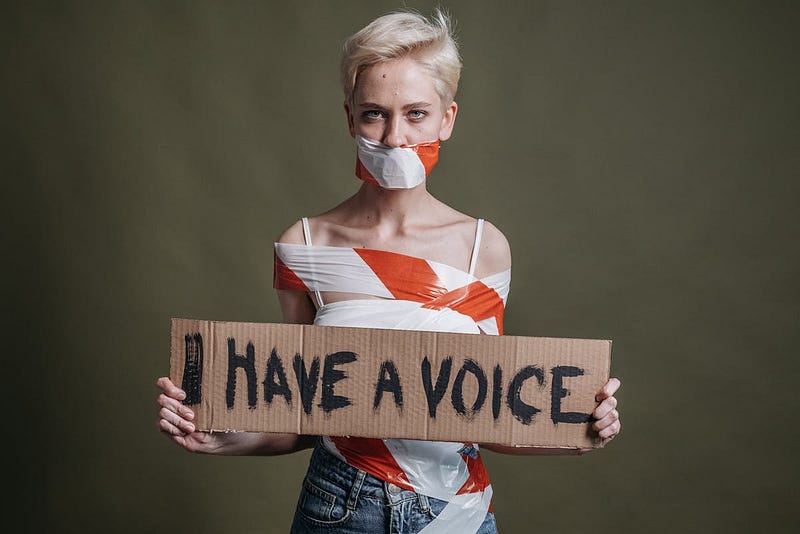
African Feminism has received some bad press, and not all of it deserved it, but here are the top 10 myths about feminism in Africa and why they simply aren’t true. Feminism in Africa does not mean that women will become dominant over men or that African women want to marry American or European men; it’s simply about giving women the same opportunities as men without discrimination based on gender.
Myth 1: African women are better off than ever
In recent years, African women have been increasingly vocal about their rights. Movements like #BringBackOurGirls, #MeToo and Fees Must Fall have shown us that women want to be heard. However, there is a misconception that all is well for African women. Violence against women on college campuses and femicide statistics remain high in South Africa; out of every 100 domestic violence cases reported to police stations, only one case gets prosecuted. And many of these cases are due to forced marriages and cultural acceptance of gender-based violence by men.
Myth 2: Men are victimized by feminism
Men don’t have to deal with years of marginalization. They don’t have to struggle for access to birth control or live through a recession that puts more money in their parents’ pockets than their own. To claim otherwise is to ignore centuries of history and oppression that made sure men held all the power. Men can be feminists, but feminism fights for women. Until those basic truths are acknowledged, there won’t be much progress—for women or men.
Myth 3: Women have it easier than men
Many of these myths come from a lack of information about African women and how their lives compare to those of men. Women in Africa work long hours each day on farms, selling goods on markets, or doing any other type of work that helps their families. And when they get home, they are often responsible for cooking for their family and cleaning. Many people also forget that there is a very large number of women who have no rights to land ownership at all, which leaves them with little to no power in their homes or communities. Workplaces in many parts of Africa are extremely sexist as well; women are often paid less than men even if they have more education or experience.
Myth 4: Feminists hate men
This is a very popular myth, especially amongst those who are pro-feminist. The idea behind it is that feminists believe women are superior to men and they want to take away rights from men. However, being anti-feminist doesn’t necessarily mean you’re anti-women. It just means you feel feminism has lost its original goal of promoting gender equality by victimizing men as perpetrators of misandry and women as victims of misogyny. While most feminists agree that feminism should be focused on empowering women, many oppose defining men as the enemy because no one wins when that happens.
Myth 5: Equality means we have to be the same
Equality means we should be free to make our own choices, pursue our careers, and fulfill our ambitions - whether that’s bringing up a family or building a business. Men and women can do different things if they want to; they don’t have to do everything together. Equality isn’t about conforming to social expectations; it’s about allowing everyone equal access to opportunities. This is certainly true in developing countries where women face cultural barriers like early marriage and polygamy. By ensuring that men and women have equal rights, we promote equality of opportunity for both sexes - not equality of outcome. While outcomes are influenced by biology as well as social constructs, everyone should be allowed an equal chance at success - no matter what obstacles might stand in their way.
Myth 6: Feminists don’t do anything
Misogynists and other anti-feminists often like to claim that feminists are just all talk and they don’t do anything. These individuals have probably never been to an event organized by a feminist group or taken part in any of their campaigns. Feminists do so much! The activities vary widely but include: pushing for laws against rape and domestic violence; protesting around issues such as female genital mutilation (FGM) or honor killings; getting girls into education where it isn’t available; running local women’s groups and training women in life skills so they can improve their income potential; educating young men about consent, respectful relationships, LGBT rights – whatever is needed in their local communities.
Myth 7: Dressing provocatively is a form of empowerment
I understand that showing off your body is considered a form of empowerment in some cultures, but I can’t imagine ever feeling empowered by baring my breasts for all to see. A lot of young women dress provocatively because they want attention, which is fine; but let’s not pretend that flashing skin means we’re taking charge of our sexuality. We’re still playing into archaic stereotypes about how women should look and behave -- we might as well cover up with a sack and be done with it.
Myth 8: All feminists want gender quotas
This one’s not that common, but it’s a bit annoying. Some feminists believe that quotas are needed to achieve parity between men and women. However, there are just as many (and probably more) feminists who think they would do more harm than good. Quotas ignore differences among individual candidates and situations, which can be damaging to companies if implemented incorrectly. And while they’re effective at bringing in women when they work properly, people think of them as a quick fix or magic bullet for diversity issues—which makes them even less appealing to those who value merit-based hiring instead of results-based hiring.
Myth 9: Having it all isn’t possible
Many feminists, especially western ones, like to talk about having it all: a great career and a fulfilling personal life. But if we’re honest with ourselves, we know that those of us who have achieved having it all are few and far between. And those of us who have managed to do so certainly haven’t achieved it all at once: as children grow up, as responsibilities shift or new opportunities arise, our lives change and require new trade-offs. Having it all is not just about wishing for one job/spouse/parenting set-up that accommodates everything.
Myth 10: Manners cost nothing. So please use them
This phrase was used by Michael Rutter to describe a common saying if you don’t have anything nice to say, don’t say anything at all. This phrase does not just mean that your words can hurt someone else but it also means that if you are too harsh in what you write, then people will stop reading it and you won’t get your message across. Learn how to be polite with people, especially on a discussion board or when writing an essay. Nobody wants to read insults that are directed at them, their family, friends, or their beliefs.
Conclusion
There are many social and political issues that African women face. But what is most surprising is that when we see an issue in our backyard, we tend to act as if it doesn’t exist. The media may not give much attention to certain issues, but they are no less important than topics that generate a lot of interest.
To make any difference at all, men and women have to recognize there is a problem first. And that's where feminism comes into play: by pointing out problems before they grow into bigger ones, feminism can nip them in the bud before anyone gets hurt. It's time for African women to show their strength and power by standing up for themselves and other women who have suffered for far too long because of ignorance about their issues.