
The Time-Bending, Energy-Sucking Adventure of Chemo
Chemotherapy cycle three of eight is done
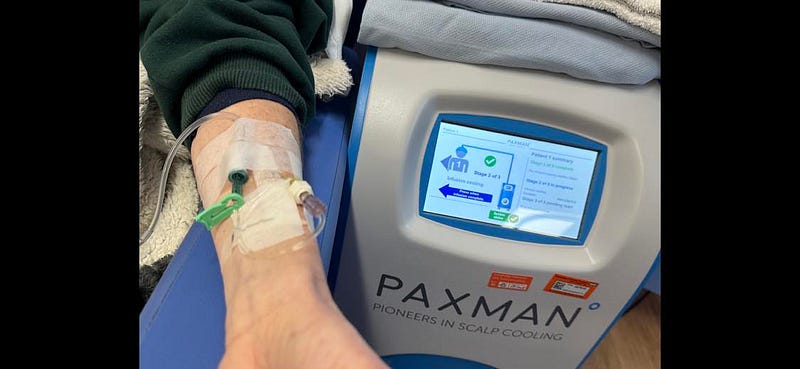
The chemo ward will suck the energy right out of a person, leaving you flat, quiet and grey. The cancer and chemo are happening to my wife, not me, but even so, I’m made drowsy by this strange place. This is the truth of our cancer “fight”. Allow me to explain.
It’s cycle three of eight. Cycles are 14 days apart – an intensity reserved for the young and fit. My wife is just 39 years old. I sit awkwardly in front of her, partially blocking the ward’s aisle. She’s looking ‘space age’ in her cold cap and spends time cocooning in the blankets we brought. Once settled, we watch the chemo drips begin to fall.
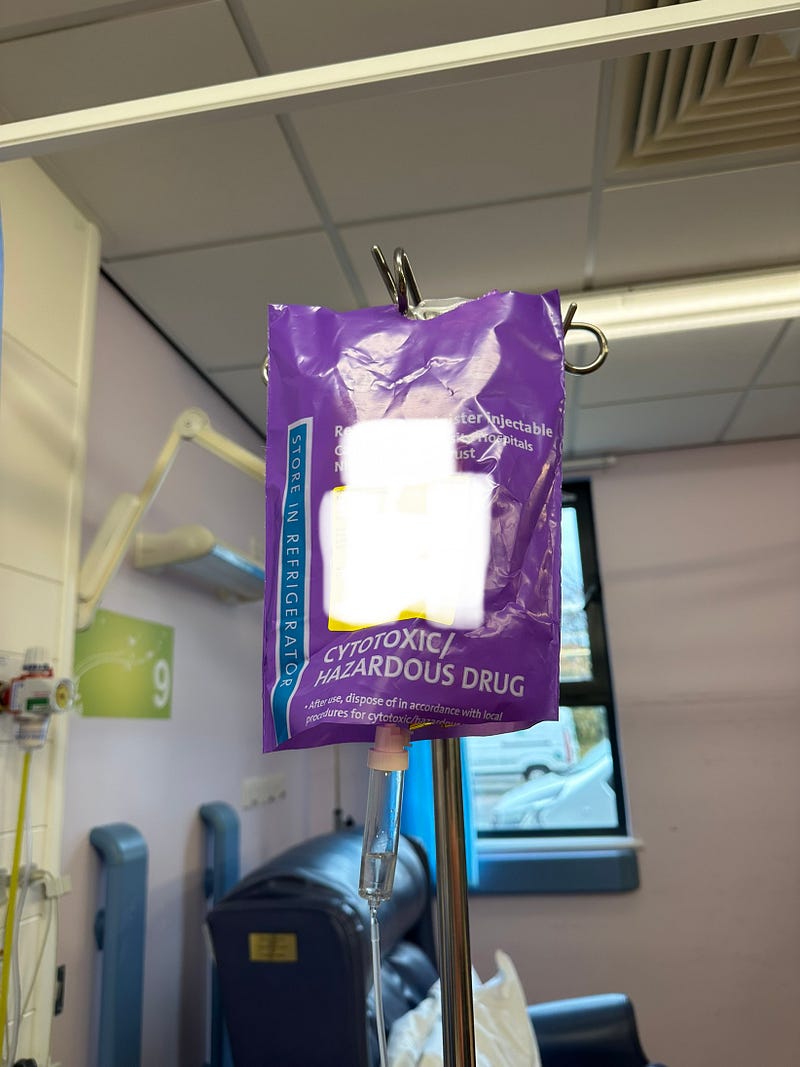
Beneath the bag of poison, there’s a digital timer counting down, stretching 180 minutes to last all day. A jungle of beeps assaults the senses, but nobody in uniform pays much attention, forcing 20 or so chemo patients to stare at their own machines and calibrate their own anxiety. Beep, beep, beep, beep! It’s probably nothing, right?
I’ve got no particular role during these chemo cycles, aside from simply being here. Even so, I’m worried about how drained I feel. When she asks me to bring her a cup of tea I can manage it, but anything more involved would be a strain. I waste a minute or two silently cursing a man on the other side of the thin hospital wall. He’s watching some crap sitcom, with an intrusive laugh track, blaring it from his phone’s speakers. I’ve seen this from teenagers on buses, but this guy is in his sixties. I want to burst from here to there, and scream at him: “You hear those stupid laughs, painted on in the edit? They’re dead people! Dead people!”
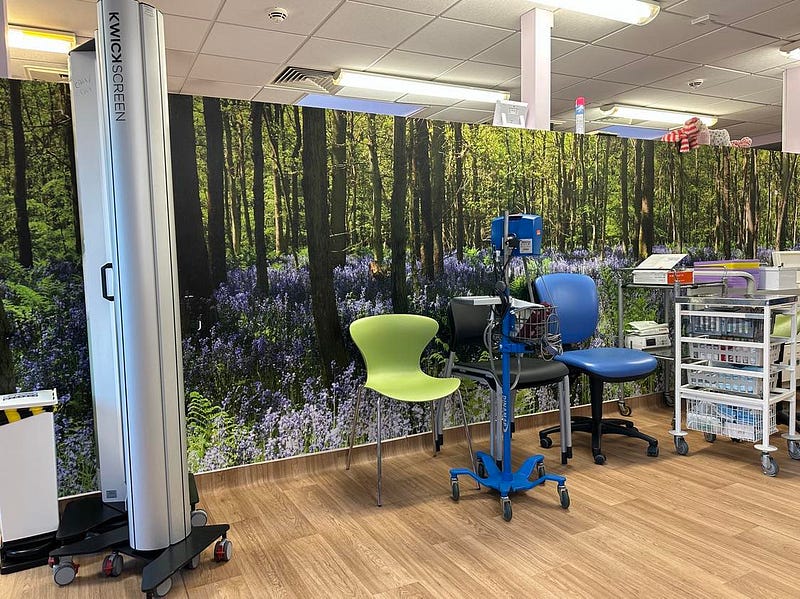
The chemo patients, my wife among them, sit in two brightly-lit rows, facing a central room divider. They’ve put up a frieze showing a forest in the spring, with what we think are bluebells. It’s a sincere attempt to lift the mood, and I’ll let you judge if it works.
My wife and I chat to pass the time, but there’s more silence than conversation. We live in the UK, and we’re talking about a road trip around Canada next summer, seeing various friends we haven’t seen in years. The idea is that this is something to look forward to – a kind of reward for getting through the cancer treatment – but we’re getting on each other’s nerves just talking about the different options. My wife thinks I’m being ridiculous trying to squeeze in a couple of days in New York, and I’m irritated by the way she strikes down every suggestion I make without offering up her own counter-proposals. We’re beginning to talk to each other in snippy, short sentences, so I take a break and leave the ward for half an hour. When I come back, we’ve both forgotten this momentary breeze in a quietly raging storm.
Looking around I see that most patients are sat alone. I presume they’ll have family and friends, people feeling the same helplessness as me, who’d be proud to come in here and sit with them. Did these patients choose solitude? Would my wife prefer that?
You receive chemo in a reclining chair, rather than a bed. Think of a La-Z-Boy bought on Wish. Each chair is separated by about 5 feet. It goes chair, low wooden table, drip, chair, low wooden table, drip. They drag privacy curtains across every so often, but the now-hidden nurses don’t modulate their voices, jumping clumsily from explaining that evening’s injections to discussing options for constipation.
Time drags and everything is done at half-normal speed. My wife and I slip into the same low-energy state. It’s a strange way to face one’s personal apocalypse. I find myself thinking of Dylan Thomas, and “Do not go gentle into that good night”.
Perhaps this torpor is because the ‘battle’ with cancer happens in a hundred tiny increments. You shuffle from appointment to appointment, take in what the mysterious “multi-disciplinary team meetings” think are your best treatment options, and then you simply do everything they tell you to do. Eight chemo cycles mean eight separate blood tests and eight calls from the consultant oncologist. A mastectomy is in fact three preparation appointments, a day of surgery, a post-op appointment, a medication review, and probably more I’ve forgotten. Once the chemo is over she’ll move on to radiotherapy, which will bring with it preparatory meetings, multiple radiotherapy sessions, more blood tests, and so on. Then there’s talk of more surgery, this time to remove her ovaries. It’s appointment after appointment after appointment, each with childcare implications, stamped parking tickets, and the sense that we’re holding each other up through all of this. These discrete events smear into a single, slow, draining experience, and somewhere in all that you’re doing it. You’re fighting cancer.
At day’s end, I drive us home, picking up both of the kids on the way. Sickness and aching bones are on the way, but not for a day or two. Family life continues, with its toothbrushing reminders, screen-time limits, and scraped-together dinners on a Tuesday evening.
And do you know what? We’re doing alright. The doctors have told us what to do, we’re doing it, and the odds are in our favour. Chemotherapy is exhausting and mundane, but my wife is tolerating it, and if you strip everything away to reveal my core belief, it’s this: I’m expecting this to work. We’ll beat the cancer and preserve the little paradise of our family life.
We have five more cycles to come. If all goes to plan then she’ll complete chemo by the end of January, and her hair can begin to return, like optimistic bulbs in the spring.