
The Terrifying Grip of Sleep Paralysis: A Nightmarish Journey into the Unknown
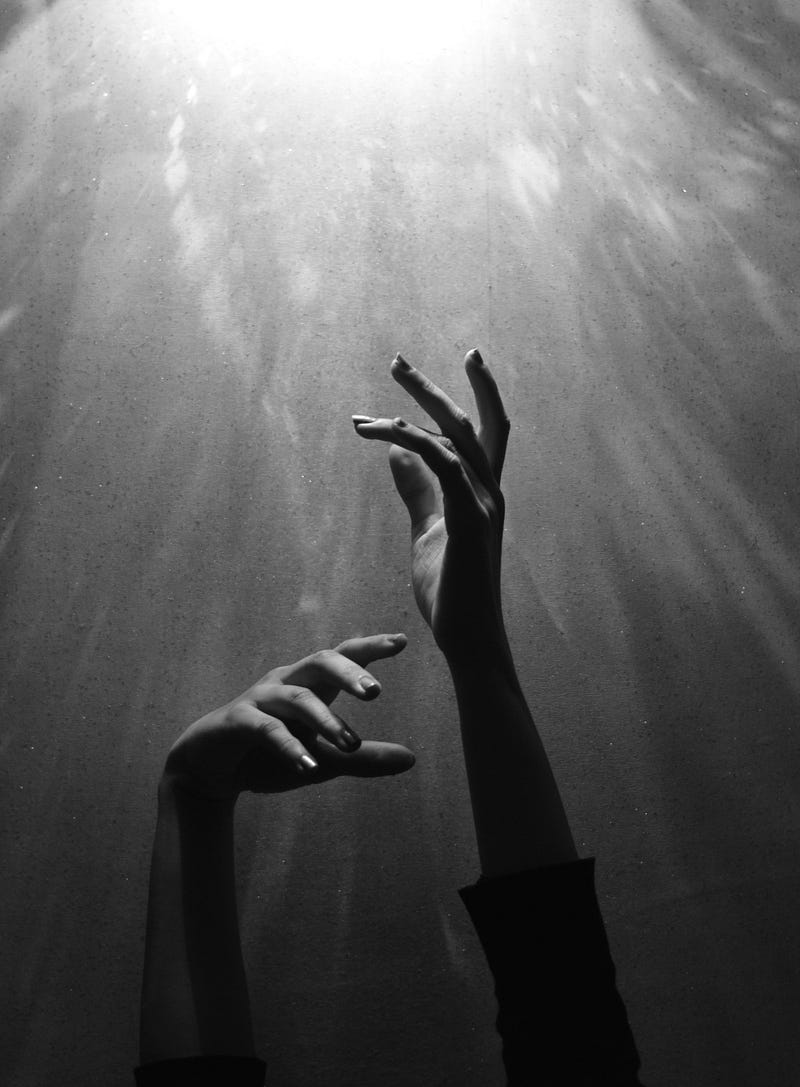
Sleep paralysis, a phenomenon that blurs the lines between dreams and reality, is a chilling experience that strikes terror into the hearts of those who endure its clutches. Imagine waking up, only to realize that your body lies in a state of utter immobility while your mind is wide awake. It's a journey into the unknown, where the boundaries between the conscious and the subconscious become distorted.
One of the most unsettling aspects of sleep paralysis is the feeling of being trapped within your own body. Unable to move or speak, you become a captive audience to the surreal and often nightmarish visions that dance on the periphery of your awareness. Shadows morph into ominous figures, and the familiar contours of your room twist into unfamiliar, foreboding shapes.
The terror intensifies as a heavy weight presses down on your chest, making each breath a struggle. The sensation is suffocating, mirroring the helplessness one might feel in the grip of a malevolent force. In this state of vulnerability, the mind becomes a playground for the subconscious' most vivid and terrifying creations.
A common theme in sleep paralysis episodes is the presence of shadowy entities or malevolent figures, sometimes referred to as the "sleep paralysis demon." These apparitions manifest as dark, shape-shifting entities that seem to feed on the fear they induce. The inability to escape their menacing presence amplifies the horror, as you grapple with the unnerving realization that what you're experiencing isn't bound by the rules of the waking world.
The fear of the unknown is a primal instinct, and sleep paralysis exploits this deep-seated anxiety with merciless precision. The blurred boundary between dream and reality adds an extra layer of psychological torment, leaving individuals questioning the nature of their own perceptions.
Despite its prevalence, sleep paralysis remains a mysterious and enigmatic phenomenon. Scientifically explained as a disruption in the transition between sleep stages, the experience continues to evoke a primal fear that transcends rational understanding.
As we delve into the complexities of sleep paralysis, it’s crucial to recognize the profound impact it can have on one’s mental well-being. The terror may be fleeting, but it lingers, leaving behind a chilling residue that colors the perception of sleep itself. The next time you find yourself waking from a nightmare, remember that for some, the true horror lies not in the dream but in the paralyzed moments that follow, where the line between the imagined and the real becomes disturbingly thin. The very essence of sleep paralysis lies in its ability to strip away the fundamental faculties of movement and vocalization, creating a crucible where fear is distilled to its purest form. The inability to physically respond or scream, a hallmark of this chilling phenomenon, serves as an intensifying agent that transforms the experience into a nightmarish ordeal.
Picture the desperation of attempting to move, to break free from the invisible restraints that hold the body captive. It’s a silent struggle against an unseen force, each ounce of effort met with the unyielding grip of immobility. The disconnect between the mind’s commands and the unresponsive limbs amplifies the sense of vulnerability, a vulnerability that is preyed upon by the hellish entities that dance on the periphery of perception.
The mute horror of being unable to scream compounds the dread. In the waking world, a scream is a vocal release, a cathartic expression of fear or anguish. However, in the realm of sleep paralysis, the voice is rendered powerless, trapped in the recesses of the throat. The mind’s desperate pleas for help, for the nightmare to end, swell silently within, unheard and unanswered.
The inability to vocalize intensifies the isolation, transforming the experience into a solitary descent into the abyss of one's own mind. As the mind races and the heart pounds, the absence of audible expression deepens the psychological impact. It's a sensory deprivation of sorts, where the silence becomes an accomplice to the unfolding terror.
This physical paralysis, coupled with vocal incarceration, creates a perfect storm of helplessness. The mind, fully conscious and acutely aware, is forced to endure the onslaught of hallucinatory visions and nightmarish scenarios without the customary outlets of physical resistance or vocal release.
In these moments of profound vulnerability, the mind grapples not only with the immediate horror of the hallucinations but also with a deeper existential fear. The inability to move or scream serves as a stark reminder of the fragility of control, highlighting the thin veil that separates the ordered reality of wakefulness from the chaotic phantasmagoria of the subconscious.
In the aftermath of such an experience, the memory of the silent struggle lingers, casting a long shadow over subsequent nights of sleep. The fear of once again being rendered motionless and voiceless can become a haunting specter, transforming the simple act of falling asleep into a fraught endeavor. Sleep paralysis, with its unique blend of physical and psychological captivity, emerges as an unparalleled terror, leaving those who have endured its grip with an indelible mark on their perception of sleep.


