
The Technology of Aging - How to Live a Longer Life
What impacts the average human life expectancy and the tech that’s helping us live longer

The key to a long life is understanding how to overcome diseases. Improvements in sanitation, education, affordable housing and developments in medical treatments have helped increase the average human life expectancy. A person born in the US in 2017 is expected to live to an average age of 78.6 years old.
These recent improvements to life expectancy have come as a result of societal-level changes.
Today, technology allows us to optimize our health on an individual basis improving personal life expectancy.
We now have affordable access to diagnostic tools such as gene sequencing and wearable health-tracking devices. We use diagnostic tools to inform decision-making practices on an individual healthcare basis. What you eat, the impact of your exercise, your sleep, and the your predisposition to disease can all be tracked using technology.
In the short term, these enhanced diagnostic tools make it possible to create proactive treatments to prevent diseases. In the long term, technologies such as CRISPR gene editing treatments and therapies are being developed to eliminate diseases altogether.

Disease, The Barrier to Long Life
What’s the major barrier to living a long life? It’s premature death caused by disease. Breaking down the causes of death gives us a better understanding of how to promote a longer and healthier life.
The top 3 causes of death in the US according to the CDC as of 2017:
- Heart Disease
- Cancer
- Accidental Death
The CDC’s study shows that the top 3 causes of death account for an overwhelming 75% of the deaths in the US. Heart disease and cancer account for nearly 50% of deaths in both men and women and accidental death accounting for nearly 25%.
Accidental deaths are overwhelmingly more common in younger populations while older populations (65+) are more likely to die from internal issues such as cancer and heart disease.
Let’s assume that most people are careful and accidental death is due in part to random chance. That leaves heart disease and cancer as the main factors preventing long life.
Your best bet for an above-average lifespan is to build a strategy focused on addressing these two diseases. A human longevity strategy is a process of caring for your body so that you live as long as possible. The goal is to live long enough so that technology will progress to a point where treatments for diseases have greater efficacy. Thus increasing lifespan further.
Diagnostic Tools For Longevity
Building a longevity strategy starts with diagnostic testing. Gathering a baseline understanding of what you’re genetically predisposed to and developing an understanding of how your body will respond to treatments, what you eat, your amount of sleep and exercise.
Diagnostic technology has come a long way in its value and relative affordability.
Genomic Sequencing
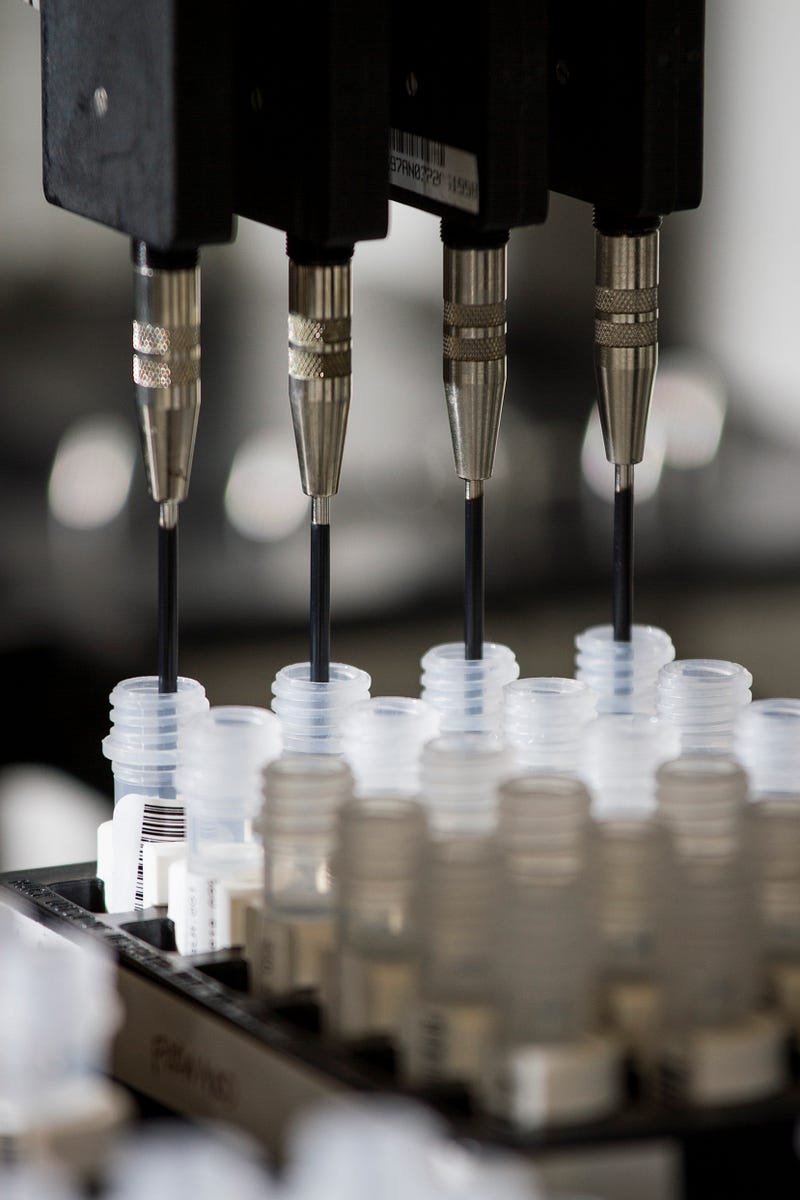
DNA sequencing is a great example of breakthrough technology helping combat disease. By comparing personal DNA characteristics to a database of human DNA sequences, it’s possible to get a unique understanding of what illnesses a person is predisposed to.
Gene sequencing is used to determine whether a person is vulnerable to particular types of cancer such as the BRCA1 and BRCA2 genetic mutations. Finding these genetic mutations allows individuals to take proactive measures to avoid highly probable medical outcomes that result in death. As is the case with BRCA1 and BRCA2, women who have these genetic mutations are opting for double mastectomies to avoid getting breast cancer. A highly probable outcome in individuals with this genetic sequence.
You can also design customized diets, exercise regimes, and general wellness plans based on your gene sequencing. Organizations such as Human Longevity Inc provide sequencing and doctor consultations to tailor customized wellness plans.

Wearables, Data Tracking, & Dietary Science
It is now possible to supplement genetic sequencing data with IoT technology. You can optimize daily health outcomes by collecting personal health data.
- Fitness Trackers
- Heart Rate Monitors
- Sleep Trackers
- Digital Food Journals
In the digital age, we’ve moved away from one size fits all approaches to nutrition. Our ability to sequence DNA and track health outcomes in real-time makes it so that we can create personalized diets.
It’s clear that what you eat, whether or not you exercise, and how you sleep impacts longevity. We now have the tools to monitor and optimize on a personal level to prevent heart disease.
Keys Takeaways
We know the main challenges facing a long life are diseases. Using diagnostic tools and modern science we can build proactive strategies to address personal vulnerabilities. As technology gets better it also becomes more affordable and accessible for everyone to benefit from.
It's clear that choices in how we care for ourselves early in life have a significant impact on our ability to age. What you eat, how you exercise, the quality of your life’s relationships and the overall consistency of mental health have a great impact on how long you live.
The Future of Longevity
Current technology cannot make a person immortal. This isn’t like Altered Carbon, we cant download consciousness into new bodies.
There is no way to stop the aging process.
With that said, we are getting considerably better at genetic sequencing, neural network mapping, neural network interfacing, and we currently have a solid grasp of nutritional science. So maybe at some point in the future immortality will be a possibility.
While we wait, here are a few articles covering near future topics worth keeping an eye on:
- Gene Editing — technology focused on rewriting mutations within our DNA to prevent and cure diseases
- Alzheimer's Drug — using drugs to target the microbiome. These therapies help patients maintain cognitive function and are under development.
- Metabolic Diseases — scientists are studying hibernating animals to get a better understanding of the triggers for obesity and some metabolic diseases
- Medical Data Privacy — gathering personalized data for custom wellness plans is important but there are also negative consequences to capturing this data.