avatarGrace 🥀🥀🥀

Free AI web copilot to create summaries, insights and extended knowledge, download it at here

1628

Abstract

1.readmedium.com/v2/resize:fit:800/1*pz4pOUZ2wAGVK5793GK4tA.jpeg"><figcaption><b>Religious Significance:</b></figcaption></figure><p id="a0ff"><i>Across various religious traditions, the rose holds profound significance. In Christianity, the rose is often associated with the Virgin Mary, symbolizing purity, divine love, and the mysteries of the Rosary. The five petals of the rose are sometimes interpreted to represent the five wounds of Christ, imbuing it with layers of spiritual meaning and devotion.</i></p><blockquote id="2179"><p><i>Similarly, in Sufi poetry and Islamic mysticism, the rose is a central motif, representing the unfolding of divine love and the quest for spiritual enlightenment. The symbolism of the rose as a metaphor for the soul’s journey towards union with the divine is a recurring theme in the works of poets such as Rumi and Hafez.</i></p></blockquote><h2 id="764a">Cultural Expressions:</h2><p id="32ad">In<i>Literature, art, and folklore, the rose has been a recurring motif, inspiring countless expressions of love, longing, and beauty. From Shakespeare’s sonnets to Persian miniature paintings, the rose has captivated the imagination of poets, artists, and storytellers across centuries.</i></p><blockquote id="972e"><p><i>In the language of flowers, known as floriography, each color of the rose carries its own distinct symbolism. The red rose, perhaps the most iconic of them all, symbolizes passionate love and romance. The white rose represents purity, innocence, and new beginnings, while the yellow rose symbolizes friendship, joy, and warmth. From weddings to funerals, roses are of

Options

ten used to convey a range of emotions and sentiments, serving as</i> silent messengers of the heart.</p></blockquote><h2 id="499b">Modern Interpretations</h2><figure id="4afc"><img src="https://cdn-images-1.readmedium.com/v2/resize:fit:800/1*guh1q8XV1j0YXSGGaAdnFQ.jpeg"><figcaption><b>Modern Interpretations of roses</b></figcaption></figure><p id="4820">In<i>Contemporary culture, the rose continues to hold sway as a symbol of enduring beauty and timeless romance. From fashion to fragrance, the rose remains a perennial favourite, evoking feelings of nostalgia and enchantment.</i></p><p id="fb1e"><i>In the world of tattoo art, the rose is a popular motif, often chosen for its aesthetic appeal and rich symbolism. Whether adorning a bouquet or gracing a piece of Jwellery, the rose remains a timeless emblem of love, passion, and the human spirit.</i></p><p id="dc98"><i>In conclusion, the rose stands as a testament to the enduring power of symbolism in human culture. Across cultures and history, its beauty and meaning have endured, transcending the boundaries of time and space. As we gaze upon the delicate petals of the rose, we are reminded of the universal truths that connect us all — the language of love, the pursuit of beauty, and the eternal quest for meaning in the tapestry of existence.</i></p><p id="0f76"><i>In its fragrant embrace, we find solace, inspiration, and the promise of a love that blooms eternal, like the timeless rose.</i></p><figure id="9517"><img src="https://cdn-images-1.readmedium.com/v2/resize:fit:800/1*5ketu-8elUiX_pa3HoFCLw.png"><figcaption></figcaption></figure></article></body>

The Symbolism of the Rose: Exploring its Meanings Across Cultures and History

The Symbolism of the Rose: Exploring its Meanings Across Cultures and History

In the world of flowers, few have captured the imagination and symbolism of humanity quite like the rose. Revered for its beauty, fragrance, and rich symbolism, the rose transcends geographical boundaries and cultural differences, weaving its way into the tapestry of human history with elegance and grace. Across civilizations and epochs, the rose has served as a powerful emblem, embodying a myriad of meanings that reflect the complexities of human emotion and experience.

Origins and Early Symbolism:
Origins and Early Symbolism

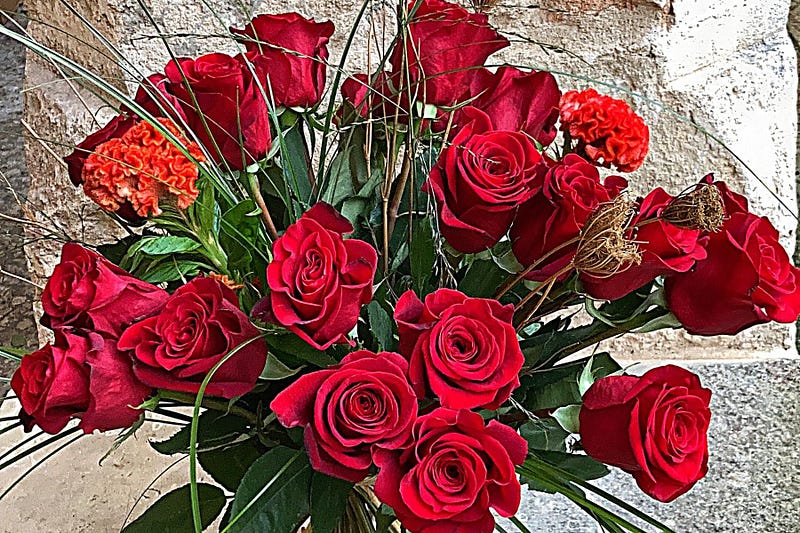
The rose’s symbolism dates back thousands of years, tracing its roots to ancient civilizations such as Egypt, Greece, and Rome. In Greek mythology, the rose was associated with the goddess of love, Aphrodite, and her Roman counterpart, Venus. According to legend, the rose was created from the tears of Aphrodite as she mourned the loss of her beloved Adonis, making it a symbol of love, desire, and beauty.

Religious Significance:
Religious Significance:

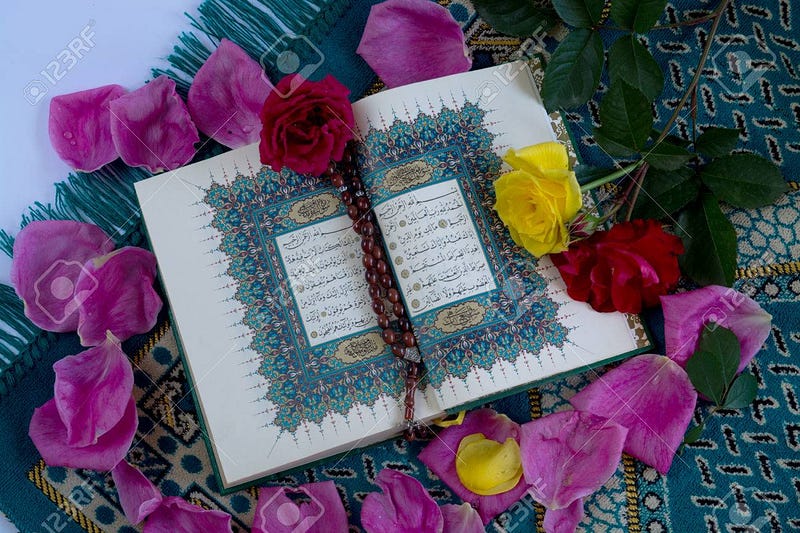
Across various religious traditions, the rose holds profound significance. In Christianity, the rose is often associated with the Virgin Mary, symbolizing purity, divine love, and the mysteries of the Rosary. The five petals of the rose are sometimes interpreted to represent the five wounds of Christ, imbuing it with layers of spiritual meaning and devotion.

Similarly, in Sufi poetry and Islamic mysticism, the rose is a central motif, representing the unfolding of divine love and the quest for spiritual enlightenment. The symbolism of the rose as a metaphor for the soul’s journey towards union with the divine is a recurring theme in the works of poets such as Rumi and Hafez.

Cultural Expressions:

InLiterature, art, and folklore, the rose has been a recurring motif, inspiring countless expressions of love, longing, and beauty. From Shakespeare’s sonnets to Persian miniature paintings, the rose has captivated the imagination of poets, artists, and storytellers across centuries.

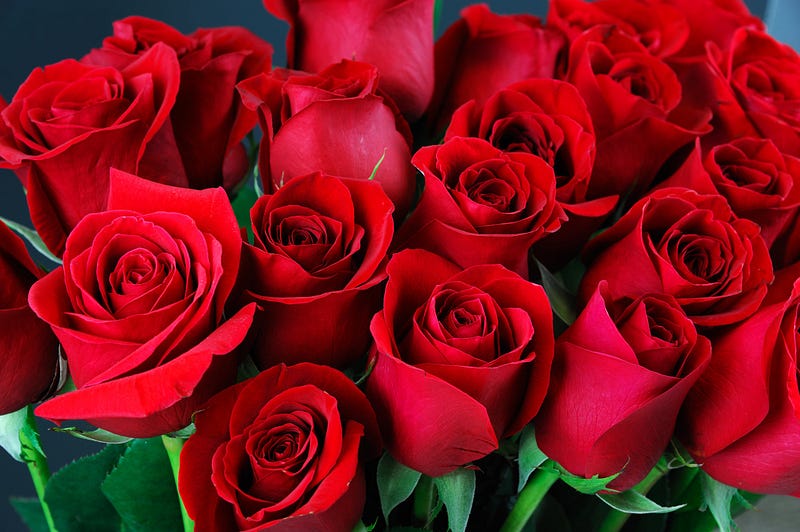
In the language of flowers, known as floriography, each color of the rose carries its own distinct symbolism. The red rose, perhaps the most iconic of them all, symbolizes passionate love and romance. The white rose represents purity, innocence, and new beginnings, while the yellow rose symbolizes friendship, joy, and warmth. From weddings to funerals, roses are often used to convey a range of emotions and sentiments, serving as silent messengers of the heart.

Modern Interpretations
Modern Interpretations of roses

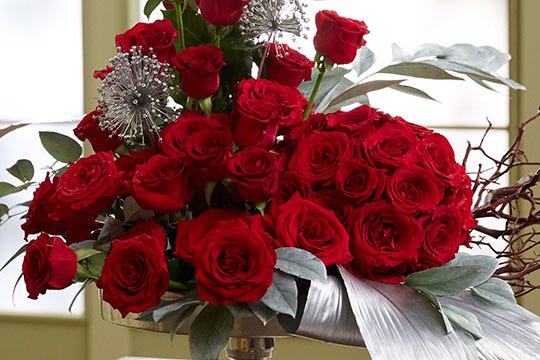
InContemporary culture, the rose continues to hold sway as a symbol of enduring beauty and timeless romance. From fashion to fragrance, the rose remains a perennial favourite, evoking feelings of nostalgia and enchantment.

In the world of tattoo art, the rose is a popular motif, often chosen for its aesthetic appeal and rich symbolism. Whether adorning a bouquet or gracing a piece of Jwellery, the rose remains a timeless emblem of love, passion, and the human spirit.

In conclusion, the rose stands as a testament to the enduring power of symbolism in human culture. Across cultures and history, its beauty and meaning have endured, transcending the boundaries of time and space. As we gaze upon the delicate petals of the rose, we are reminded of the universal truths that connect us all — the language of love, the pursuit of beauty, and the eternal quest for meaning in the tapestry of existence.

In its fragrant embrace, we find solace, inspiration, and the promise of a love that blooms eternal, like the timeless rose.

Spiritual Symbolism
Language Of Flowers
Iconic Flowers
Religious Symbolism
Religious Iconography
Recommended from ReadMedium