
Turtle Statue Represents Longevity: Meaning, Benefits, Placement, History, Types, Feng Shui Rules, Best To Buy
Last Updated: 7/30/2024
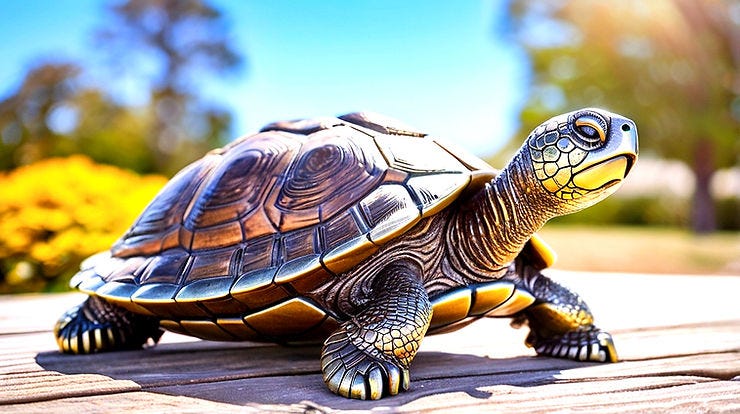
A turtle statue is a crafted representation of a turtle, symbolizing longevity, stability, and protection in various cultures.
A turtle statue is typically made from various materials such as metals (brass, gold, silver etc.), stone or ceramic, used for decorative or symbolic purposes in different cultures.
Meaning of the Turtle Statue
Cultural Meaning:
- In Chinese philosophy, the turtle is revered as one of the four celestial animals, representing longevity, wisdom, and protection.
- In Native American cultures, the turtle is often seen as a sacred symbol of the earth, representing the interconnectedness of all living things.
- In ancient Mesopotamian and Egyptian civilizations, the turtle was associated with creation myths and the cyclical nature of life.
- In Hindu and Buddhist teachings, the turtle is honored for its patient, steady nature and its ability to withdraw into its shell, representing the journey of the soul.
- Regardless of cultural context, the turtle statue is consistently imbued with profound meanings related to endurance, stability, and the deeper mysteries of the human experience.
Spiritual Meaning:
The turtle statue represents patience, wisdom, and a connection to the divine, the slow and steady nature of turtles aligns with spiritual growth and a harmonious life journey.
This spiritual layer adds a profound dimension to the presence of a turtle statue in one’s living space.
Benefits Of The Turtle Statue
Feng shui practitioners and interior designers often incorporate the turtle statue into their designs due to the numerous benefits it can provide:
Symbol of Longevity and Wisdom:
The turtle is revered in many cultures as a symbol of longevity, wisdom, and patience.
Positioning a turtle statue in your space can promote these auspicious qualities.
Grounding and Stability:
The turtle’s sturdy, grounded nature can help anchor the energy of a space, providing a sense of stability and security.
Protection and Safeguarding:
The turtle’s protective shell is believed to offer shielding and safeguarding against negative influences or energies.
Wealth and Prosperity:
In feng shui, the turtle is associated with the element of water, which is linked to the flow of wealth and abundance.
Harmony and Balance:
The turtle’s yin yang inspired shell design represents the harmonious balance of opposing forces, which can be beneficial for creating peaceful environments.
Fostering Perseverance:
The turtle’s slow, steady progress can inspire a sense of perseverance and determination, helping to overcome challenges.
Feng Shui Rules for Turtle Statue Placement:
To optimize the benefits of a turtle statue, it’s essential to adhere to Feng Shui rules.
Placing the statue in alignment with specific directions can amplify its positive effects.
For instance, facing the turtle statue east or southeast in your bedroom may enhance overall well being, while a north facing placement could promote career related aspirations.
Career Success:
When using a turtle statue to enhance your career and professional success, its important to follow these feng shui guidelines:
- Placement in the Career/Work Area:
Position the turtle statue in the southeast area of your office, workspace, or home.
This is the sector associated with career, reputation, and achievements.
- Facing the Appropriate Direction:
Ensure the turtle statue is facing towards the southeast, as this orientation is believed to attract positive chi and support career growth.
- Avoid Obstructions:
Make sure the turtle statue has a clear, unobstructed view of the entrance or main door of the room.
Avoid placing it behind furniture or other barriers.
- Complement with Wealth Elements:
Pair the turtle statue with other auspicious feng shui elements associated with wealth, such as a water feature, crystal, or metal objects.
- Consider Size and Scale:
Choose a turtle statue that is proportionate to the size of the space.
Larger statues can have a more commanding presence in bigger rooms or offices.
- Maintain Cleanliness:
Keep the turtle statue clean and well maintained, as a dusty or neglected statue can negatively impact the flow of positive energy.
Family Harmony:
When using a turtle statue to promote family harmony and domestic tranquility, consider the following feng shui guidelines:
- Placement in the Family/Relationship Area:
Position the turtle statue in the southwest sector of your home, as this is the area associated with family, relationships, and domestic bliss.
- Orientation Towards the Center:
Ensure the turtle statue is facing inward towards the center of the room or space, as this orientation is believed to foster togetherness and unity within the family.
- Avoid Bathroom Placement:
Dont place the turtle statue in or near the bathroom, as this can disrupt the positive energy flow and potentially impact family dynamics.
- Complement with Earth Elements:
Enhance the turtles grounding and stabilizing influence by pairing the statue with other earth-based elements, such as pottery, ceramics, or natural stones.
- Consider Turtle Couple Statues:
Utilizing a pair of turtle statues can symbolize the harmony and collaboration within a family, strengthening the energy of togetherness.
- Maintain a Serene Environment:
Keep the area around the turtle statue clean, uncluttered, and free from harsh lighting or disruptive noises to promote a tranquil, harmonious atmosphere.
Financial Prosperity:
When using a Types, to attract and maintain financial prosperity, consider the following feng shui guidelines:
- Placement in the Wealth/Prosperity Area:
Position the turtle statue in the southeast sector of your home or office, as this is the area associated with wealth, abundance, and financial growth.
- Facing the Appropriate Direction:
Ensure the turtle statue is facing towards the southeast, as this orientation is believed to invite positive chi and support the flow of wealth.
- Complement with Water Elements:
Enhance the turtle’s connection to the water element by placing the statue near a fountain, aquarium, or other water features, which are linked to the movement of wealth.
- Consider Turtle Size and Posture:
Choose a turtle statue in a forward facing, alert posture, as this symbolizes proactivity and the ability to seize financial opportunities.
- Avoid Placing Near Entrances:
Refrain from placing the turtle statue directly at the entrance of a room or building, as this can inadvertently push wealth and prosperity out of the space.
- Maintain Cleanliness and Care:
Keep the turtle statue clean, free of dust, and well-maintained, as a neglected statue can negatively impact the flow of positive financial energy.
By strategically positioning a turtle statue in the wealth/prosperity area of your space and following these feng shui guidelines, you can harness the turtle’s grounding, protective, and wealth-enhancing qualities to attract and maintain financial abundance and prosperity.
All Types Of Turtle Statue Meanings, Placements And History (for the nerds)
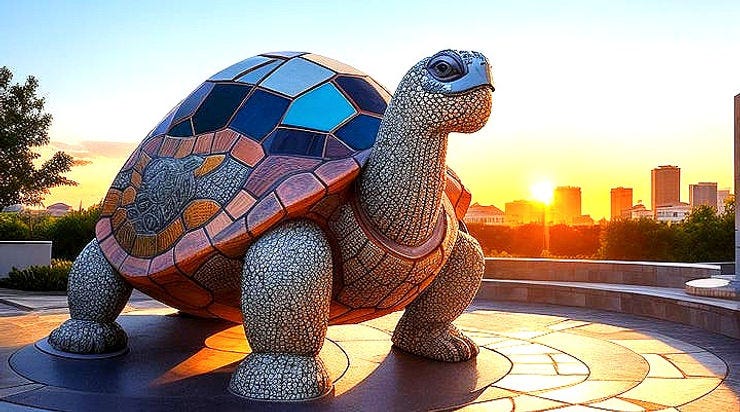
Large Outdoor Turtle Statue
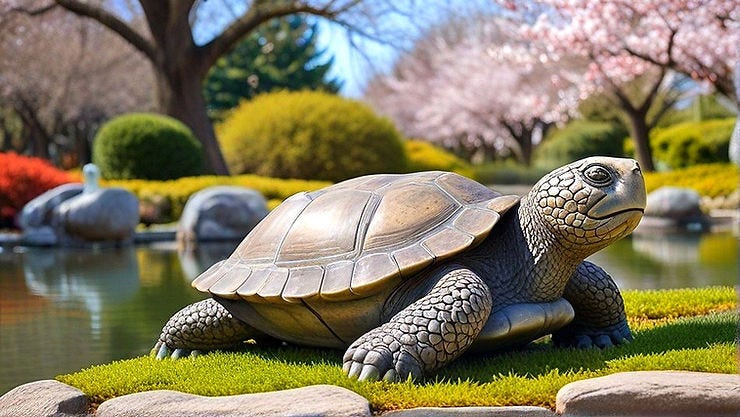
History: Large outdoor turtle statues have been used in gardens and public spaces for centuries, particularly in Asian cultures where they hold significant symbolic value.
These imposing statues were often commissioned by wealthy individuals or placed in temples and shrines.
Meaning: In addition to the general symbolism of turtles, large outdoor turtle statues represent strength, endurance, and resilience.
They are believed to provide a sense of grounding and connection to the earth, promoting a peaceful and harmonious environment.
Placement: These statues are typically placed in prominent locations within gardens, parks, or courtyards, where their presence can be appreciated and admired.
They can also be used as focal points in landscaping designs or as guardians at the entrance of a property.
Sea Turtle Statue
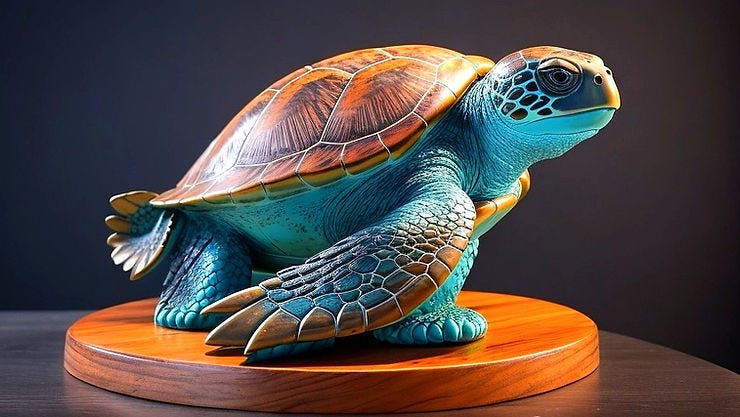
History: Sea turtle statues have been popular in coastal regions and cultures with strong maritime traditions.
These statues were often used as decorative elements in homes and public spaces, as well as in religious ceremonies and rituals related to the sea.
Meaning: Sea turtle statues are believed to bring good luck, prosperity, and protection to those who live or work near the ocean.
They are also associated with the feminine energy of the sea, fertility, and the cycle of life.
Placement: Sea turtle statues are often placed near bodies of water, such as ponds, pools, or fountains, or in coastal gardens and outdoor spaces.
They can also be used as decorative elements in beach-themed interior designs or as part of nautical-inspired decor.
Large Turtle Statue
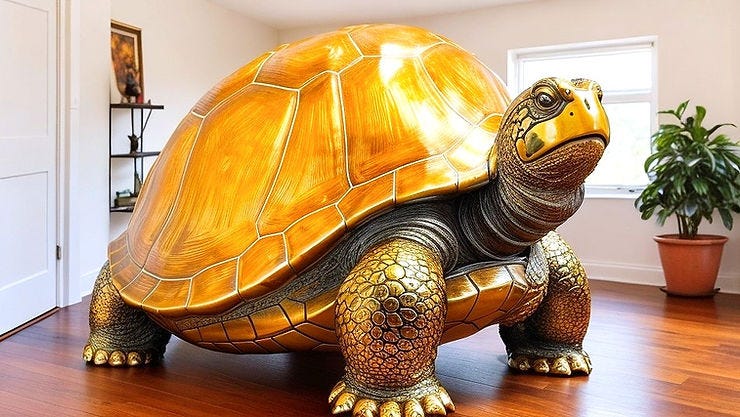
History: Large turtle statues have been used in various cultures throughout history, often as symbols of power, strength, and longevity.
In some Asian cultures, these statues were placed in temples and shrines as guardians or protectors.
Meaning: Large turtle statues are believed to bring stability, perseverance, and endurance to the environment in which they are placed.
They are also associated with the earth element and are thought to provide a grounding and calming presence.
Placement: These imposing statues are typically placed in prominent locations, such as entryways, courtyards, or gardens, where they can be appreciated and admired.
They can also be used as focal points in landscaping designs or as guardians at the entrance of a property.
Concrete Turtle Statue
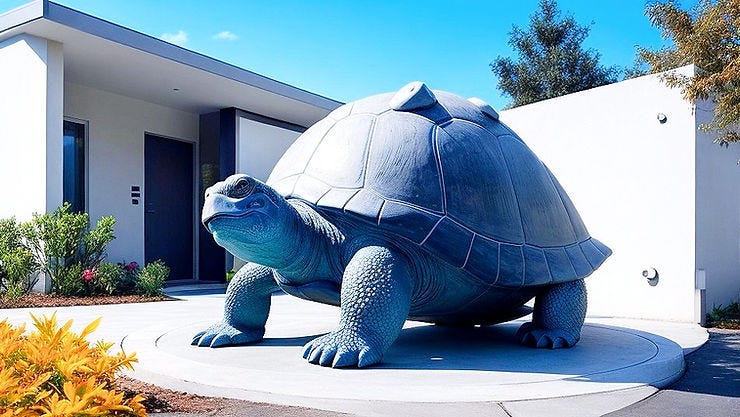
History: Concrete turtle statues have been a popular choice for outdoor decor and landscaping for many decades.
They are durable, weather-resistant, and can be easily molded into various shapes and sizes.
Meaning: Like other turtle statues, concrete turtle statues are believed to bring good luck, prosperity, and protection to the home or garden where they are placed.
They are also associated with stability, endurance, and a connection to the earth.
Placement: Concrete turtle statues are typically used outdoors, such as in gardens, patios, or near water features.
They can be placed along walkways, near entrances, or as focal points in landscaping designs.
Giant Turtle Statue
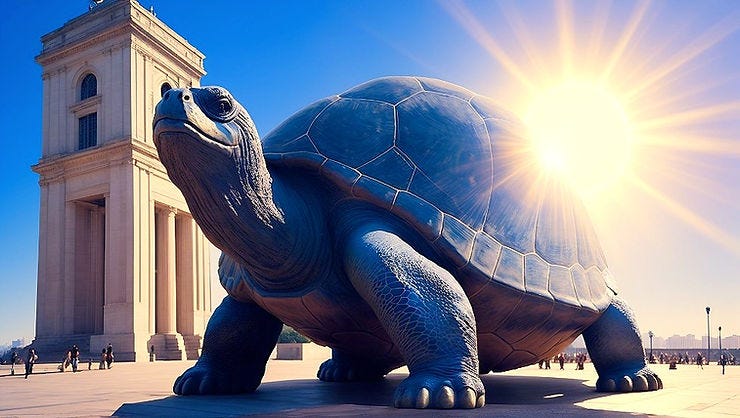
History: Giant turtle statues have been used in various cultures throughout history, often as symbols of power, strength, and endurance.
These massive statues were often commissioned by rulers, wealthy individuals, or religious institutions to symbolize their authority and longevity.
Meaning: Giant turtle statues are believed to bring an overwhelming sense of stability, perseverance, and protection to the environment in which they are placed.
They are also associated with the earth element and are thought to provide a grounding and calming presence on a grand scale.
Placement: These colossal statues are typically placed in prominent locations, such as public squares, parks, or large estates, where they can be appreciated and admired by many.
They can also be used as focal points in landscaping designs or as guardians at the entrance of a property or temple.
Turtle Statue for Garden
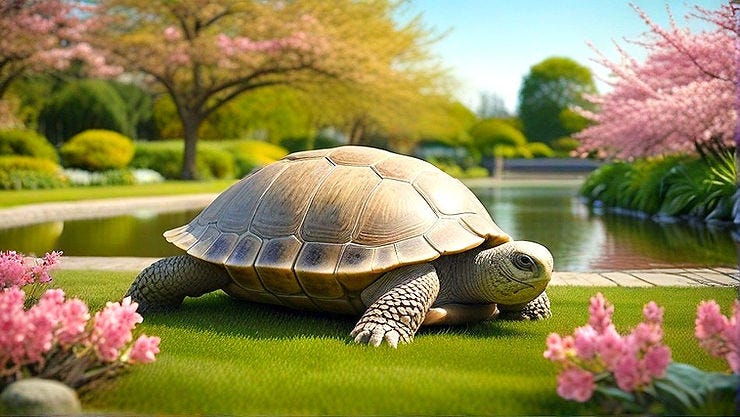
History: Turtle statues have been a popular garden feature for centuries, particularly in Asian and Mediterranean cultures.
These statues were often used to decorate and bring a sense of tranquility to outdoor spaces.
Meaning: In garden settings, turtle statues symbolize fertility, abundance, and the cycle of life.
They are believed to attract positive energy and promote a sense of balance and harmony in the natural environment.
Placement: Garden Turtle statues can be placed near water features, such as ponds or fountains, or among lush foliage and flowerbeds.
They can also be used as accents along garden paths or as centerpieces in ornamental gardens.
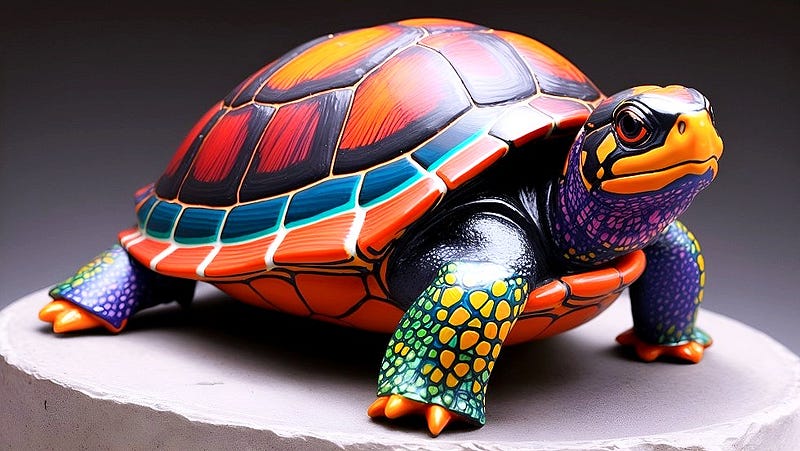
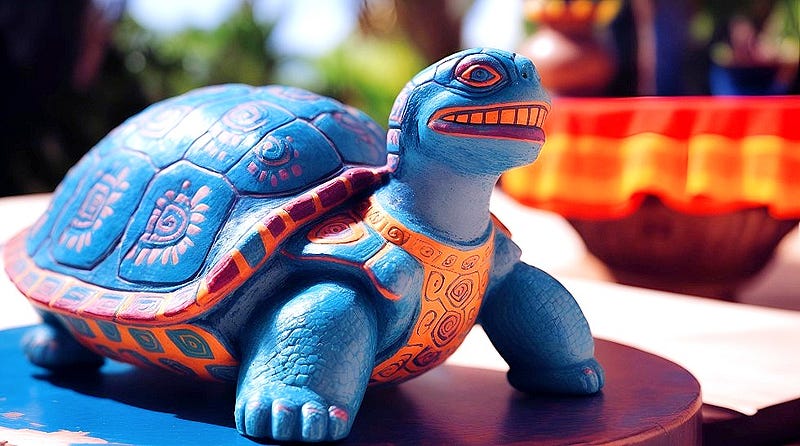
Painted Turtle Statue
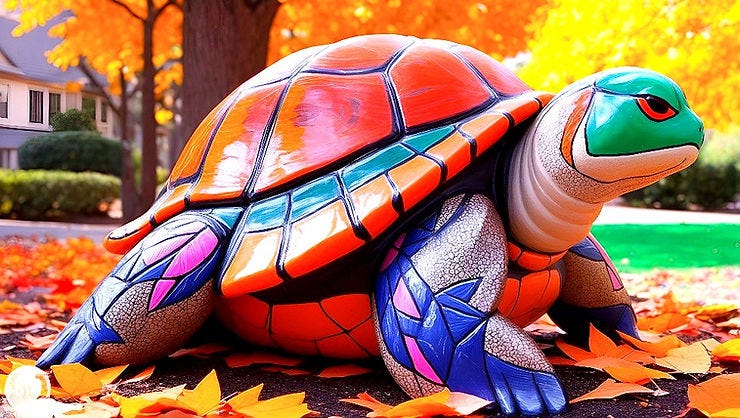
Meaning: Painted turtle statues can have different meanings depending on the culture and the specific designs or symbols used.
In general, they are believed to bring good luck, prosperity, and protection, while also representing creativity, joy, and the beauty of nature.
Placement: Painted turtle statues can be used both indoors and outdoors. They can be placed in gardens, patios, or near water features, where their vibrant colors can complement the natural surroundings.
Indoors, they can be used as decorative pieces in living rooms, entryways, or on shelves or mantels.
Meditating Turtle Statue
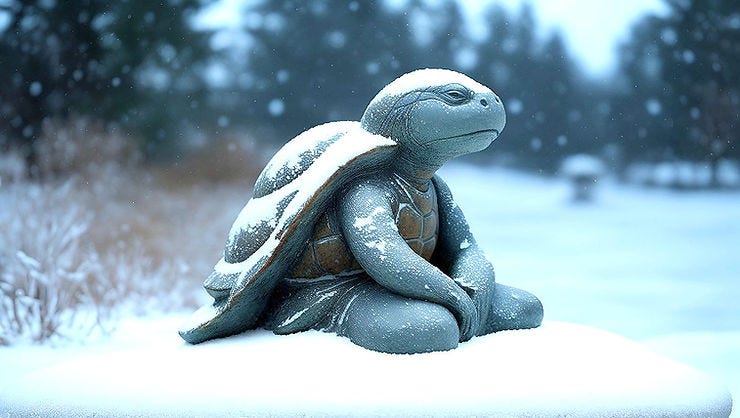
History: Meditating turtle statues have their roots in Eastern philosophies and spiritual practices, where the turtle is often associated with longevity, wisdom, and a grounded presence.
These statues depict turtles in a meditative or contemplative pose, reflecting the animal’s calm and patient nature.
Meaning: Meditating turtle statues are believed to bring a sense of tranquility, inner peace, and mindfulness to the environment in which they are placed.
They are also associated with the earth element and are thought to provide a grounding and calming presence, encouraging a meditative state of mind.
Placement: These statues are often placed in peaceful and serene locations, such as meditation gardens, yoga studios, or indoor spaces designated for relaxation and contemplation.
They can also be used as focal points in outdoor gardens or near water features, promoting a sense of harmony and balance with nature.
Stone Turtle Statue
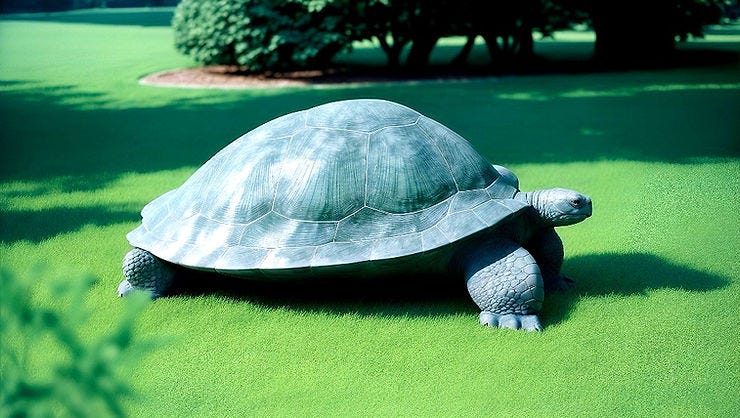
History: Stone turtle statues have been crafted by various cultures for centuries, often using locally sourced materials like granite, marble, or sandstone.
These statues were used for decorative purposes, as well as in religious ceremonies and rituals.
Meaning: Stone turtle statues are believed to bring strength, resilience, and a connection to the earth.
They are associated with longevity, endurance, and a grounded presence. In some cultures, they are also believed to have protective qualities.
Placement: Stone turtle statues are typically used in outdoor settings, such as gardens, patios, or near water features.
They can be placed along walkways, near entrances, or as focal points in landscaping designs. Their natural appearance and earthy tones blend well with various outdoor environments.
Dragon Turtle Statue (Lion Turtle Statue)
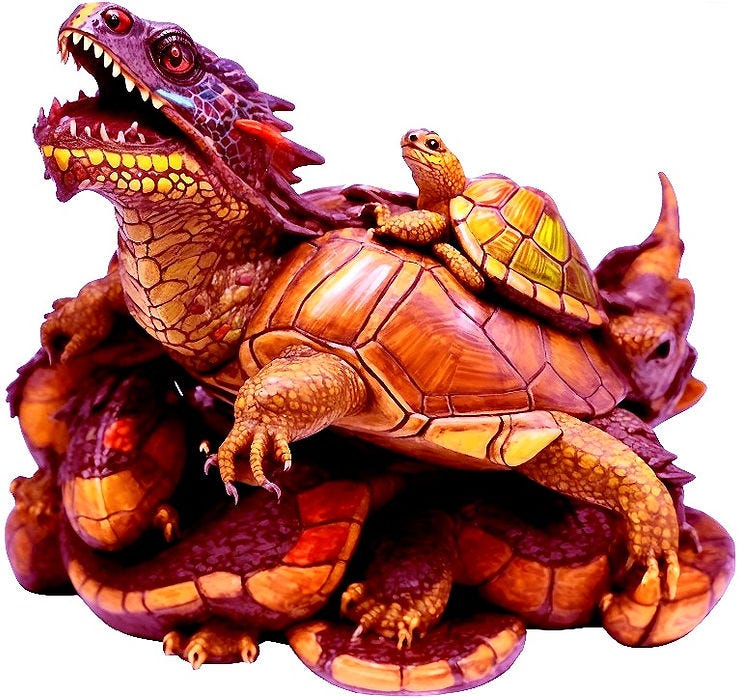
History: Dragon turtle statues have their origins in Chinese mythology, where the dragon and turtle are both revered as powerful and auspicious symbols.
These statues combine the features of a dragon and a turtle, creating a unique and mythical creature.
Meaning: Dragon turtle statues are believed to bring good luck, prosperity, and protection to the home or business where they are placed.
They are associated with strength, longevity, and the ability to overcome obstacles.
In some beliefs, they are also thought to represent the perfect balance between heaven and earth.
Placement: Dragon turtle statues are often placed at the entrance of homes, businesses, or gardens, acting as powerful guardians and symbols of good fortune.
They can also be used as focal points in landscaping designs or placed near water features, as they are associated with both celestial and earthly elements.
Bronze Turtle Statue
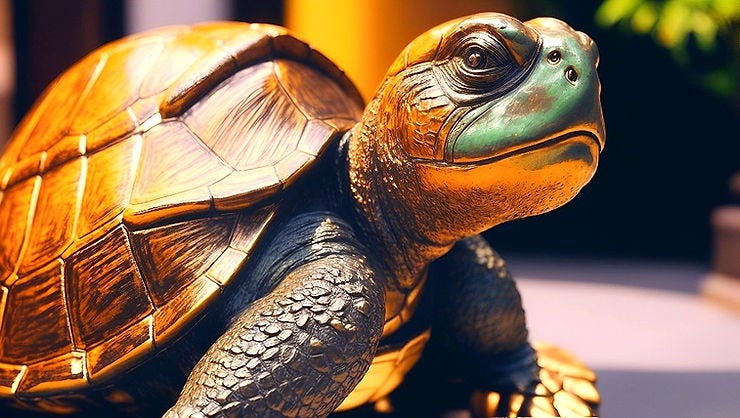
History: Bronze has been used to cast detailed and long-lasting turtle sculptures for thousands of years across many ancient civilizations.
From China and India to Greece and Rome, the strong, enduring bronze metal suited this meaningful subject matter.
Meaning: Bronze turtle statues represent longevity, perseverance, strength and grounding energies.
The turtle’s slowness paradoxically symbolizes an eternal, timeless quality. Bronze’s rich patina adds to these resilient, earthly connotations.
Placement: The weight and nobility of bronze makes these statues suitable for both indoor display and outdoor garden settings.
Indoors, they can grace living spaces, libraries or studies as expressions of wisdom.
Outside, position bronze turtles near water features, along pathways or in courtyard landscapes where they can develop a natural verdigris over time.
Some famous examples of bronze turtle statues include the larger-than-life sculptures at the Imperial Palace in Beijing and sacred Katmandu’s Bhupatindra Square fountain featuring mythological creatures riding turtles.
Bronze’s lasting legacy makes it an ideal medium for rendering these symbols of patience, fortitude and being “grounded” in the present moment.
Big Turtle Statue
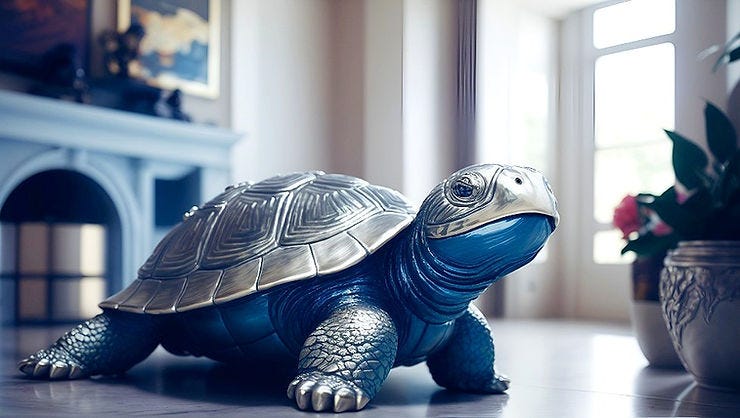
Meaning: Big turtle statues symbolize perseverance, stability, and a grounded connection to the earth.
They’re believed to provide protection and attract positive energy.
Placement: These impressive statues work well as focal points in gardens, estates, or public spaces.
They can guard entryways, be centepieces in landscaping, or reside near bodies of water.
Ceramic Turtle Statue
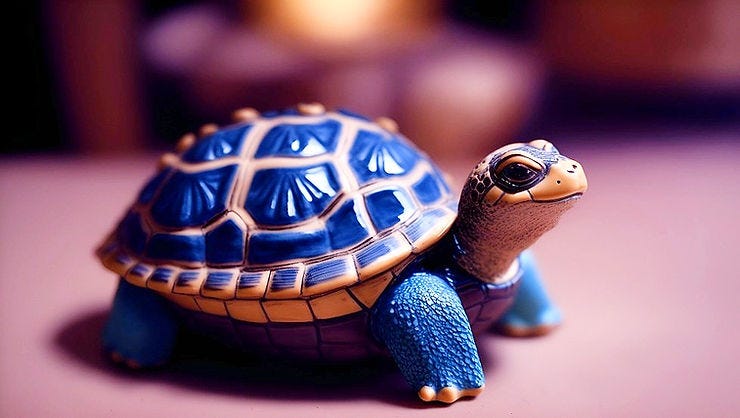
History: Ceramic turtle figurines and statues have been hand-crafted for decorative and spiritual purposes for centuries, particularly in Chinese and Japanese cultures.
Meaning: Ceramic turtles represent longevity, fertility, wisdom and spiritual grounding.
They’re seen as symbols of good luck, endurance and protection.
Placement: These pieces make great indoor decor on shelves, tables or in bamboo gardens.
Outdoors, they accentuate water features, rock gardens or pathways.
Turtle Statue Feng Shui
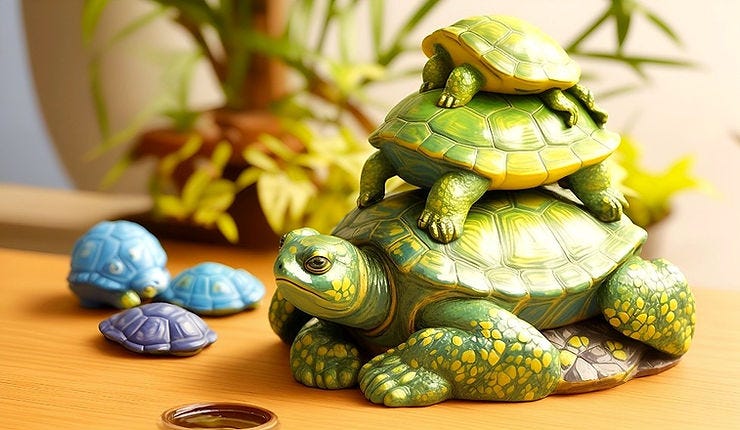
History: The practice of Feng Shui from ancient China incorporates the metaphysical symbolism of the turtle and its sturdy, long-lived nature.
Meaning: In Feng Shui, turtle statues represent longevity, security, determination and grounding influences.
They’re believed to anchor positive chi energy.
Placement: Feng Shui practitioners often place turtle statues facing the home’s entrance, near the front door or courtyard to invite prosperous energy inside.
Outdoor Sea Turtle Statue
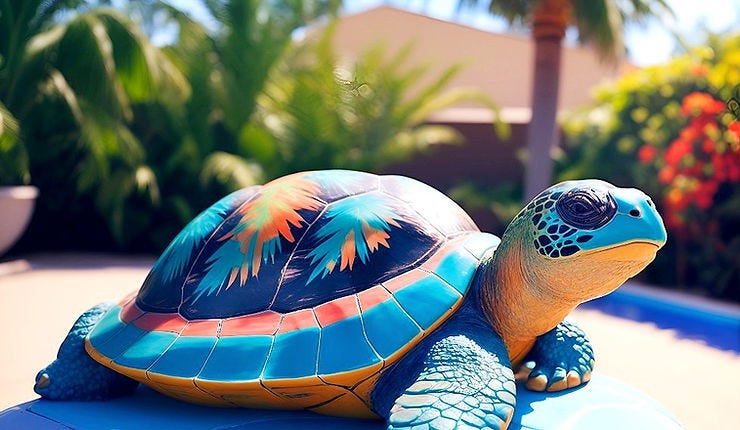
History: Cultures with maritime histories and traditions have long incorporated sea turtle imagery into art, architecture and outdoor decor.
Meaning: Sea turtle sculptures symbolize good luck, perseverance, feminine energy and the life force of the ocean itself.
Placement: These make ideal accents for coastal homes, beach houses or tropical-themed gardens and patios.
Position them near pools, ponds or fountains.
Cement Turtle Statue
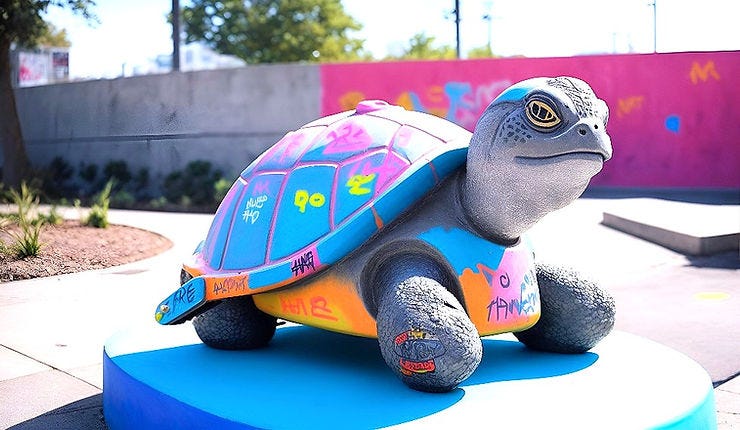
History: Cement and concrete have been used to create affordable, weather-resistant turtle statues for gardens and outdoor spaces.
Meaning: Like other turtle sculptures, cement turtles represent longevity, fertility, grounding energy and protection of the home.
Placement: Ideal for gardens of any size, cement turtles can line walkways, borders, flowerbed edges or pool decks.
Place them near water features.
Small Turtle Statue (Mini Turtle Statue)
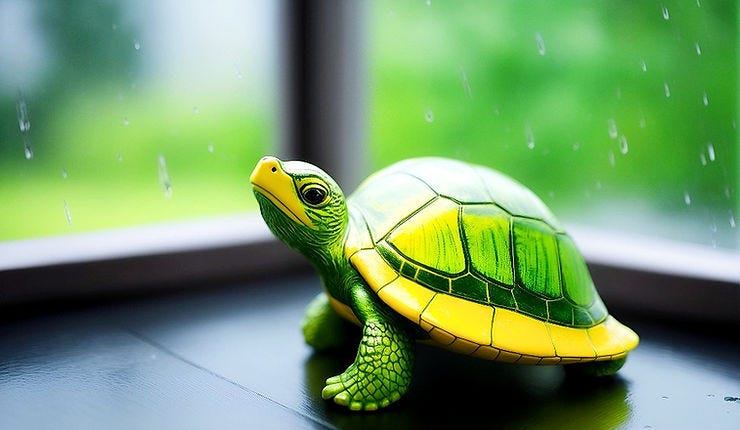
History: Miniature or petite turtle figurines have featured in the decorative arts and crafts across cultures for centuries.
Meaning: Small turtles carry the same symbolic meanings as larger ones — longevity, wisdom, grounding forces and good luck charms.
Placement: Tiny turtles make great decorative accents indoors on desks, mantels, Center-pieces or bookshelf displays.
Use them to accent planters or dishes outdoors.
Solar Turtle Statue
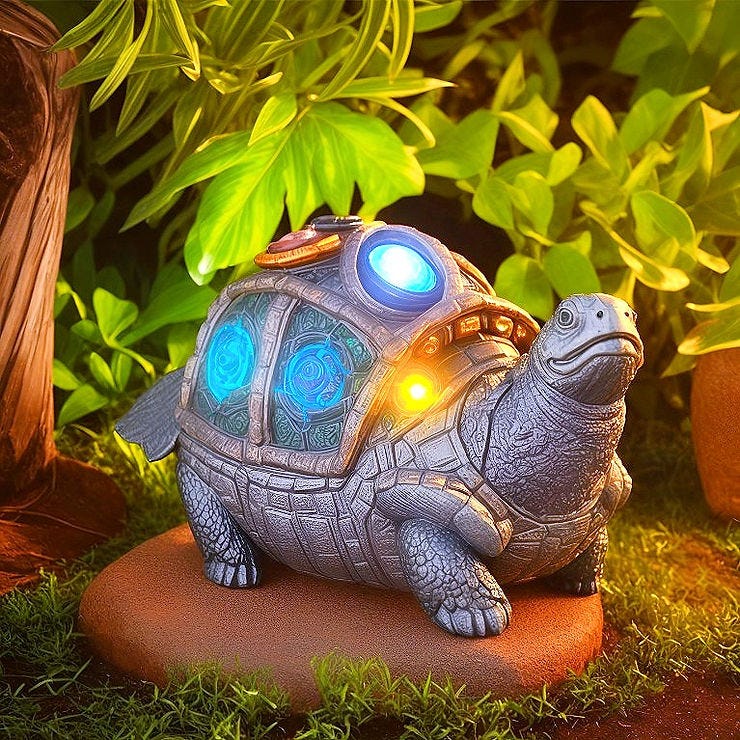
History: The solar-powered turtle statue is a modern innovation that merges ancient turtle symbolism with eco-friendly design.
Meaning: Like traditional turtles, the solar variety represents endurance and cosmic life forces.
Their solar paneling connects them to sustainable energy.
Placement: Perfect for gardens or patios, solar turtles provide gentle lighting at night powered by the sun’s rays.
Ideal for illuminating sitting areas.
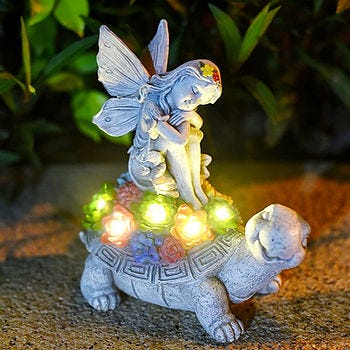
Solar Turtle Figurine Lawn Decor Garden Decor Outdoor Statue Succulent
Yoga Turtle Statue
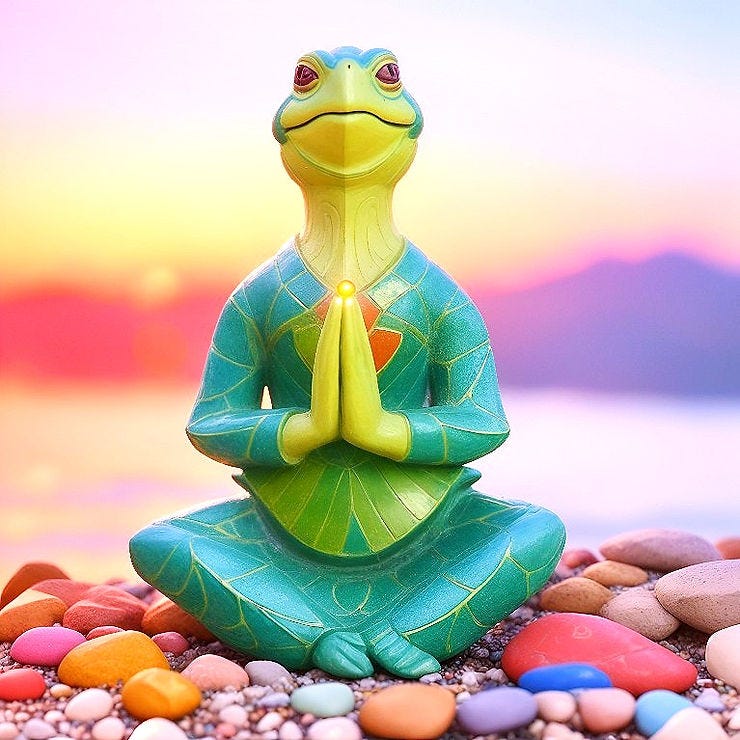
History: The serene, meditative turtle posture has been incorporated into contemporary sculptures aimed at yoga and wellness enthusiasts.
Meaning: Yoga turtle statues represent spiritual grounding, inner peace, patience and presence.
Their pose inspires mindfulness.
Placement: These pieces are ideal for household yoga rooms, meditation gardens, spa areas or any calming relaxation space.
Classic Loggerhead Sea Turtle Statue
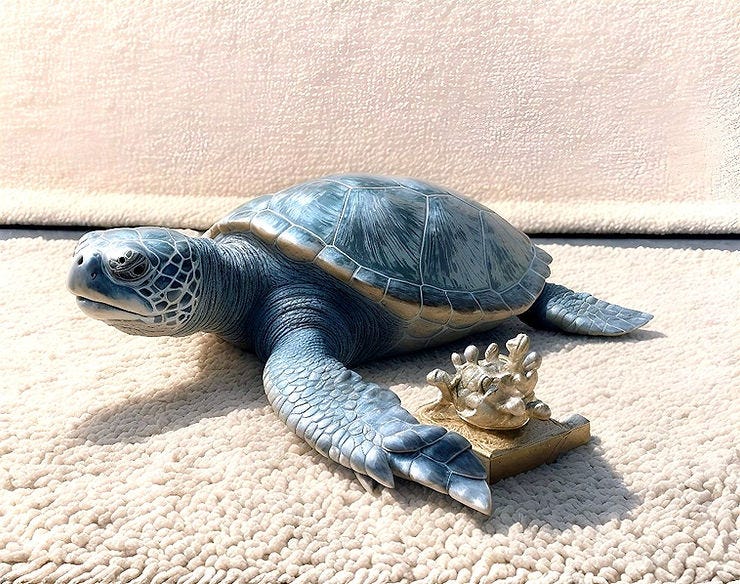
History:
The loggerhead sea turtle has held symbolic and practical significance for maritime cultures across the globe for millennia.
Ancient civilizations like the Greeks, Romans, Egyptians and Polynesians revered these reptiles and incorporated them into art, mythology and fishing lore.
In the Mediterranean, loggerhead turtles appeared in Roman mosaics and frescoes celebrating the bounty of the sea.
The ancient Greek legend of the Titan Atlas described how he was turned into a giant turtle tasked with holding up the heavens as punishment.
Loggerheads played roles in Egyptian creation myths as well.
Across the Atlantic, loggerhead remains have been found in archaeological digs of Native American coastal settlements, suggesting they were food sources and likely part of ceremonial traditions.
For Polynesian seafarers, loggerheads served as skilled navigators leading them across vast ocean expanses.
Meaning:
Loggerhead turtle statues symbolize longevity, ocean’s bounty, good luck for sailors/fishermen and the perseverance of life.
Their epic migratory journeys make them icons of perseverance.
Many cultures saw loggerheads as representations of Mother Earth herself.
Placement:
Sculptural depictions of majestic loggerhead sea turtles are perfect for enhancing spaces with nautical or ocean-inspired themes.
Display them in beach houses, dock areas, patios near pools or landscaping with tropical vegetation.
Or let them stand proud guard over indoor entryways as symbols of safe maritime passage.
Chinese Turtle Statue
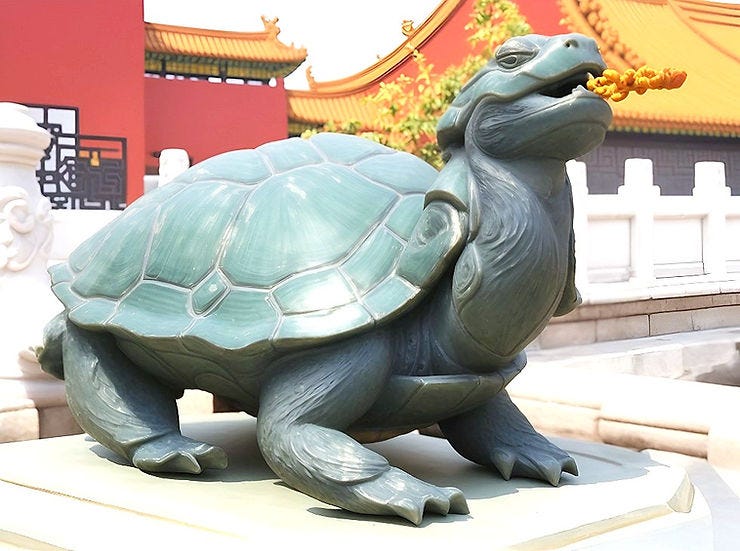
History: Turtles have held significant symbolic meaning in Chinese culture and mythology for thousands of years.
Statues and artwork featuring turtles date back to ancient dynasties.
Meaning: In Chinese traditions, turtle statues represent longevity, endurance, fertility, and support.
They’re associated with the powerful Buddhist figure of the Dragon Turtle and symbolize strength against adversity.
Placement: Chinese turtle statues are popular indoors as symbols of luck and outdoors in gardens or temples.
They may be placed facing entrances, gates, or near water features.
Turtle Statue at Home
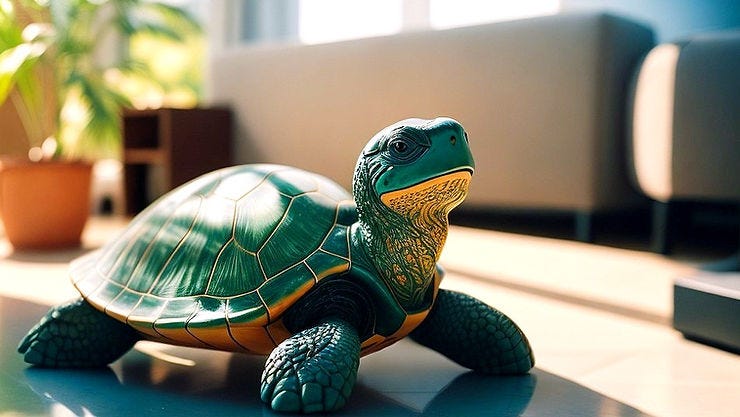
History: Decorative turtle statues have adorned homes across many cultures for centuries, both indoors and in domestic gardens and courtyards.
Meaning: Having a turtle statue at home is believed to invite positive forces like security, grounding energy, patience, and ancient wisdom into the living space.
Placement: Small turtles work well on shelves or tables indoors. Larger sculptures can grace living rooms, foyers or family altars.
Outdoor turtles enhance gardens, walkways and water features.
Fat Man on Turtle Statue
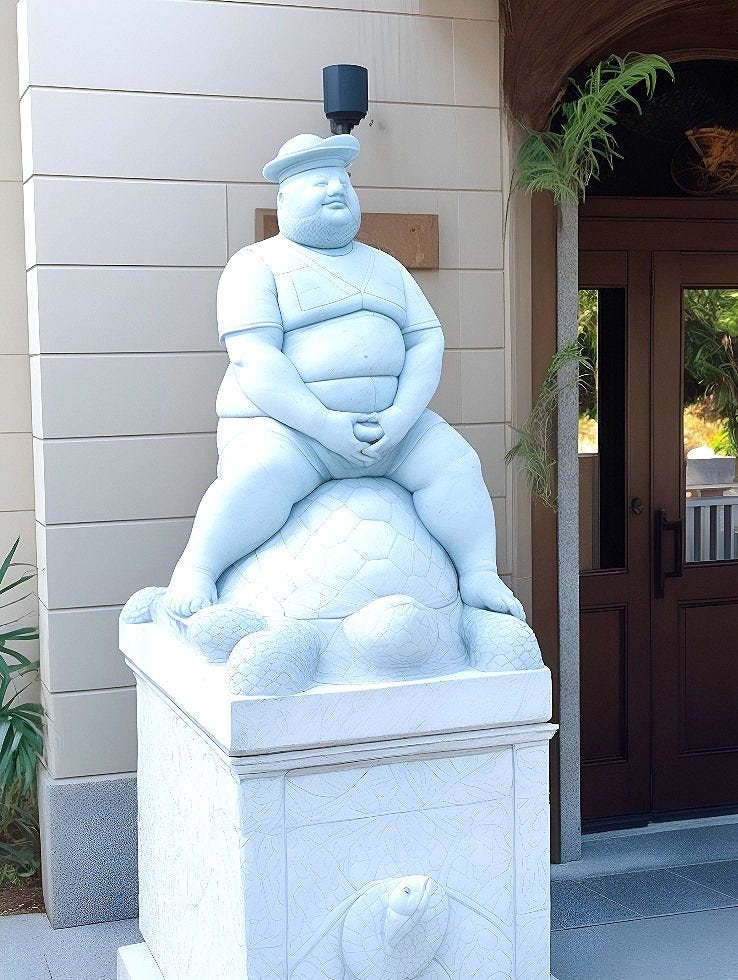
History: This whimsical folk art design depicts a stout, smiling man riding on the back of a turtle.
Its origins trace back to Chinese and Vietnamese traditions.
Meaning: The fat man represents contentment, good luck and abundance — being “carried through life” by the turtle’s slow, steady perseverance.
It symbolizes work/life balance.
Placement: These amusing sculptures bring a lighthearted, joyful vibe to gardens, domestic courtyards or even indoor nooks.
Use them to celebrate prosperity.
Link:
https://www.etsy.com/listing/702037458/original-bacchus-a-santini-naked-fat
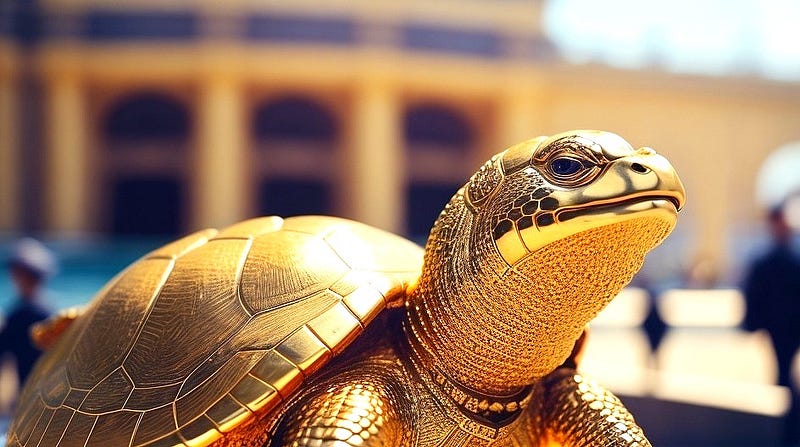
Gold Turtle Statue
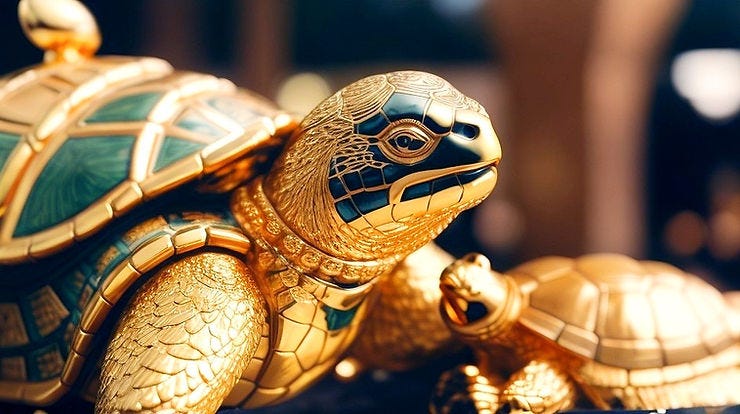
History: Golden turtles have been used in Buddhist iconography, Chinese art and fortunate feng shui decor across Asia for centuries.
They symbolize spiritual and earthly treasures.
Meaning: Gold represents supreme wealth, prosperity and luxury in many Eastern folklores.
Gold turtles embody these attributes along with longevity and perseverance.
Placement: Lustrous gold-hued or gilded turtles are stunning additions to temples, shrines or indoor spiritual spaces.
They can elevate entrances/foyers or flank water features outdoors.
Mayan Turtle Statue
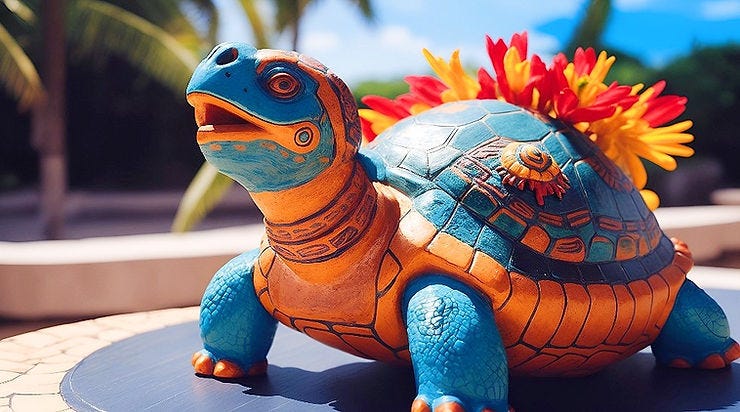
History:
The turtle held great symbolic importance in ancient Mayan cosmology, myths, and artistic representations.
This indigenous civilization of Mexico and Central America associated turtles with creation stories, the cosmos, and concepts of duality.
In Mayan creation accounts, the world was formed on the back of a turtle that surfaced from the primordial sea.
The turtle was seen as an earth monster representing the sacred landscape.
Turtles also frequently appeared in Mayan codices and carved stone monuments related to astronomy, seasons, and cycles of time.
The duality of the turtle — with its body moving slowly on land but rapidly in water — made it an emblem of the complementary forces of the terrestrial and celestial realms for the Maya.
Turtle shells were used in ceremonial rituals and burial rites to represent the domed vault of the heavens.
Major Mayan archaeological sites like Chichen Itza, Uxmal, and Tulum contain sculptural depictions of turtles integrated into temples, pyramid bases, thrones, and stelae commemorating rulers’ rites of passage.
Turtle iconography held profound sacral meaning for this sophisticated Mesoamerican culture.
Meaning:
Mayan turtle statues symbolize the origins of earth and life itself emerging from watery chaos.
They represent cycles of creation and destruction, duality of opposing energies, and the macro/microcosmic balance of the universe.
Placement:
These ancient sculptures look striking in spaces influenced by Mayan design motifs or indigenous Central American decor themes.
Use them as statement pieces or accents among other objects drawn from Mayan art and mythology.
Or position outdoors among tropical plants to evoke the jungles where this civilization’s cities were reclaimed by nature over centuries.
Resin Turtle Statue
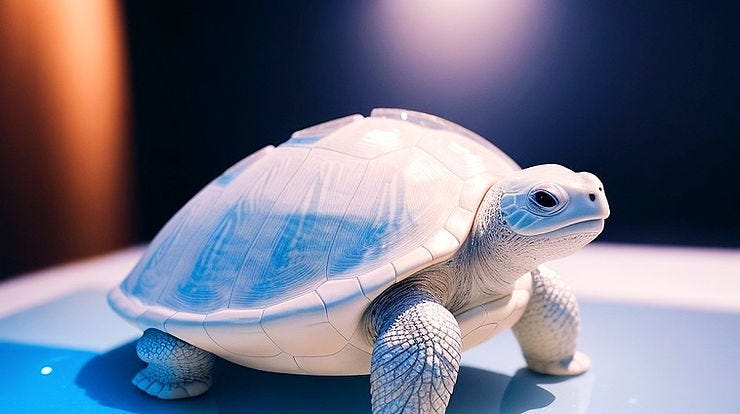
History: Resin has become a popular modern material for crafting lightweight, inexpensive yet detailed turtle sculptures.
Meaning: Resin turtle statues carry the same symbolic meanings as traditional stone or metal — longevity, grounding, good luck, perseverance.
Placement: Resin works well for smaller indoor turtles on desks, bookshelves or as decorative accents.
Outdoors, weatherproof resins can enliven gardens or pool areas.
Snapping Turtle Statue
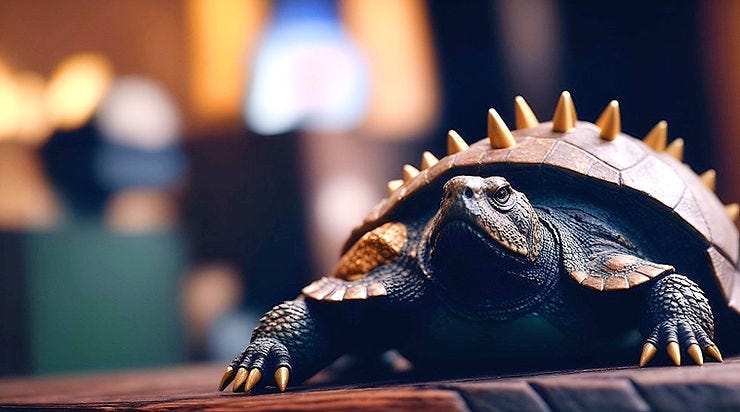
History: While most turtle sculptures depict calmer species, the fierce snapping turtle has also been captured in folk art and indigenous crafts.
Meaning: A snapping turtle conveys power, persistence, and an unyielding spirit that should not be underestimated — despite its small stature.
Placement: Indoors, a snapping turtle statue makes a bold statement piece. Outside, position it guarding entrances or gardens as a tongue-in-cheek “protector.”
Embracing The Turtle Statue
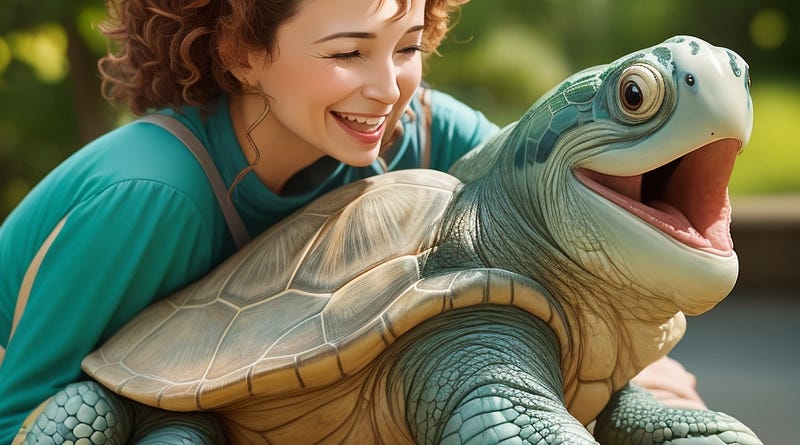
The turtle statue goes beyond being a decorative item; it is a reservoir of cultural richness, spiritual symbolism, and positive energy.
Whether chosen for its aesthetic appeal, cultural significance, or Feng Shui benefits, the turtle statue stands as a testament to the multifaceted layers it brings to our living spaces.
By understanding its meaning, embracing its benefits, and adhering to Feng Shui principles, individuals can enhance their homes and lives with this timeless symbol of wisdom and longevity.
Frequently Asked Questions (FAQs) about The Turtle Statue
1. Is a turtle an omen
Turtles are not considered omens in a negative sense. In various cultures, they are often symbols of positive attributes such as wisdom, longevity, and stability.
2. What are the benefits of having a turtle
Having a turtle statue can bring various benefits, including aesthetic appeal, cultural symbolism, and potential positive energy flow, especially when aligned with Feng Shui principles.
3. Where do you keep a turtle statue
The placement of a turtle statue depends on personal intentions. Following Feng Shui principles, it can be strategically placed to attract specific energies, such as career success, family harmony, or financial prosperity.
4. Why do people keep turtles at home
People keep turtle statues at home for various reasons, including cultural significance, aesthetic appreciation, and the belief that these sculptures can bring positive energy and symbolic meanings into their living spaces.
5. What is the difference between a turtle and a tortoise
Turtles and tortoises belong to the same reptilian order but differ in habitat and behavior.
Turtles typically dwell in water, while tortoises are land-dwelling. The terms are often used interchangeably, but the distinction lies in their ecological preferences.
6. Where should I keep my turtle in my bedroom
Placing a turtle statue in your bedroom should align with your specific goals.
If seeking tranquility, facing it east or southeast may enhance overall well-being, while facing north could promote career-related aspirations.
7. What does the turtle symbolize in African culture
In various African cultures, the turtle symbolizes different qualities, including wisdom, patience, and longevity.
The specific symbolism can vary across regions and traditions.
8. What does a turtle symbolize in Africa
The symbolism of turtles in Africa may vary, but generally, they are associated with traits such as resilience, patience, and connection to nature.
9. What religion is the turtle in
Turtles hold symbolic significance in various religions, often representing creation, stability, and endurance.
Specific religious associations can vary across different belief systems.
10. Which turtle brings money
Different cultures attribute wealth-bringing qualities to various turtles.
For example, the three-legged money turtle is a common symbol in Chinese culture, believed to bring wealth and prosperity.
11. Is it good to keep a turtle statue at home
Yes, keeping a turtle statue at home can be beneficial.
Beyond its aesthetic value, it is believed to bring positive energy and cultural symbolism to your living space, enhancing the overall atmosphere.
Hey everyone, I wanted to take a quick moment to let you know that some of the links I share on this article are Amazon affiliate links.
This means that if you click on one of these links and make a purchase, I’ll earn a small percentage of the sale at no additional cost to you.
I only share products that I truly believe in and use myself, and I’m excited to be able to share them with you.
By using these affiliate links, you’re not only getting access to amazing products, but you’re also supporting the content and our little community!
Happy Shopping!
David Collins
Useful Resources:
LinkedIn:
Facebook: https://web.facebook.com/ManifestMurals/
Quora:
Twitter (X):
Flipboard:
Feedly (the links are different):
You Might Also Like:
Wind Chimes: A Summary Of The Meaning, Benefits And Placement
Himalayan Salt Lamps: The Meaning, Benefits, Types, Placement, History and Feng Shui Practices
Understanding the Meaning Behind Your Life Path Number
Feng Shui for Apartments: Entrance, Living Room, Bedroom, Rules, Layout and Directions
Key Points About The 5 Elements in Feng Shui: Meaning, Colors And Placement
Yin Yang Meanings In Life And In Friendship
Feng Shui Colors for Living Room, Bedroom, Money and Colors to Avoid
Selenite Tower : Meaning , Uses, Benefits, Feng Shui, Placement, How To Use, FAQs
The Money Frog Symbolizes Prosperity: Meaning, Benefits, Placement, How To Activate, How To Clean
9 Feng Shui Wallpapers for Good Luck and Wealth
15 Feng Shui Wallpaper to Attract Love And Romance
Flowing Fortunes! Enhancing Your Home’s Aura With Feng Shui Water Features
Feng Shui For Wealth, Career And Prosperity: Everything You Need To Know, Part 1
Feng Shui For Wealth, Career And Prosperity: Everything You Need To Know, Part 2
Feng Shui For Wealth, Career And Prosperity: Everything You Need To Know, Part 3
All About Feng Shui Plants | For Wealth, Love, House, Bedroom, Living Room, Bad Luck Plants For 2024
Feng Shui Front Door Colors, Placement, Direction, Decorations And Tips For 2024
Feng Shui Bathroom: Key Points For 2024
14 Feng Shui Wallpaper For Career Growth
14 Feng Shui Wallpaper For Good Luck
The Flying Star Feng Shui Charts a New Course in 2024
The Best 25 Paintings for the Modern Home in 2024: Feng Shui Paintings
Insider Feng Shui Tips for Western Travelers: The Feng Shui Travel Secrets You Need
The Art of Feng Shui in Garden Design
Enhance Your Bedroom with Feng Shui Wallpaper: Tips for Positive Energy and Harmony
Feng Shui Masters Don’t Want You Knowing About These Powerful Talismans
Wu Lou Gourd (Hu Lu or Calabash Gourd): Meaning, Benefits, Feng Shui, Placement, Types, Care, FAQ
Feng Shui for Family Harmony: The Family Area
The Powerful Energy of Feng Shui Crystals
Feng Shui Astrology: Aligning Your Life with the Cosmic Dance
The Incredible Diversity of Wind Chimes
Master Every Feng Shui Lighting Principle in This One Masterclass!
The Power of Feng Shui Furniture: Harmonize Your Living Spaces
Could Your Home Be Sabotaging Your Success? How One Consultation Can Change Everything
All My Articles: