
The Sustainability Machine
A contemporary version of the functionalist design mantras of the past
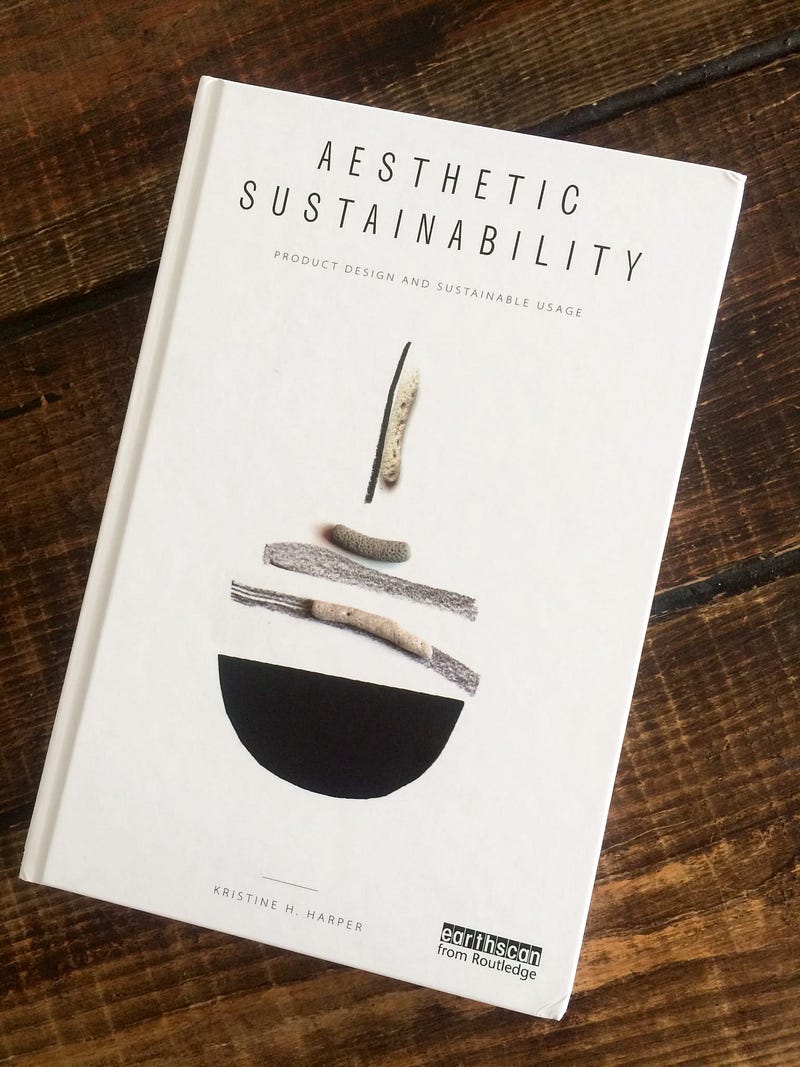
In the first two chapters of my book Aesthetic Sustainability, I discuss the difference between the beautiful and the sublime aesthetic experience. And in relation to the investigation of the beautiful, I examine the functionalist approach to design and architecture and its roots in ancient Greek philosophy.
Allow me to briefly dive into this design approach here, as it is of great relevance to the overall theme of this article:
To Plato (c. 428–348 BC), a physical object can be considered beautiful if it clearly expresses the form or idea that gave birth to it. A beautiful chair, according to this way of thinking, is a chair that is clearly recognizable as being a chair and that is good at being a chair. There is thus a kind of precision to beauty. Beauty is precise and unambiguous in its expression. Beautiful physical objects are clearly expressed and decoded as what they are, at the same time as they are good at being what they are.
Such a viewpoint contains the germ of a functionalist approach to thinking aesthetics. Functionalism, a term for defining the style and historical context of early 20th century design and architecture, is dominated by simplicity and objectivity, understood as form being subservient to function.
“Form follows function” is a well-known adage ascribed to functionalism, which aimed to cleanse form of anything but the absolute most necessary elements.
The famous phrase was uttered by the American architect Louis Sullivan (1856–1924), and it was in direct opposition to the organic decorative idiom of the previous art-nouveau period. The Bauhaus architect and furniture designer Marcel Breuer (1902–1981) called his chairs “sitting machines” and hereby gestured to the ancient idea that a chair is beautiful if it is good at being what it is. A chair becomes a sitting machine insofar as it is good to sit in. The form and expression of an object are thus inferior to its function (unless, of course, expression and aesthetics are a part of defining the comfort and longevity of a chair).
A sitting machine! A phrase that has an architectural counterpart in Swiss architect Le Corbusier’s (1887–1965) term living machine, which he used to describe his functionalist concept homes. I’ve always loved these terms; there is a liberating straightforwardness about “calling a spade a spade”. Because honestly, if a chair is not good at being a chair and hence to sit in and if a house is not good at being a living space, then why create them in the first place?
Of course this is not as unambiguous as it sounds. A chair, in our world of status-symbols and lifestyle trends, is so much more than just a chair. And a house too. But this is exactly why calling a chair a sitting machine and a house a living machine is so ingenious. Because, despite status symbols and trends being even more predominant now than during the functionalist design era, let’s not forget the most basic functions and aesthetically nourishing qualities of the objects we invest in and surround ourselves with. Doing so might encourage an increased focus on usage rather than consumption.
The beauty of allowing function to shape aesthetics is obvious when looking at Breuer’s sitting machines and Le Corbusier’s living machines: there is a nourishing simplicity to these “machines” and a very pure sense of quality that can beneficially be re-actualised as a part of current sustainable design efforts. The precision of the functionalist design approach can add a rejuvenating design strategy to a world overflowing with unwanted things and product waste. Because, if things have to be good at being what they, if they have to be precise and clear about the function they fulfil in order to have a raison d’etre, then there is no design-argument in the world (not even one based on growth and “more-wants-more” arguments) that can justify the creation of more insignificant knick knacks or more trend based rags.
In Aesthetic Sustainability I explore the benefit of narrowing sustainable garments down to their core-essentials by reducing them to keep-warm-and-dry-or-sheltered-from-the-sun-or-heat machines, before adding anything trend-/fashion-related to them. It appears that the experience of something (an object of any sort) being obsolete is dependent on trends rather than functionality, and that our global environmental crisis is therefore determined by eliminating this culturally constructed mechanism.
Inspired by the past functionalist design-heroes one could ask: what kind of machine do we need now?
We have plenty of sitting machines; plenty of stuff, plenty of things to use and go through, plenty of consumption-options. Maybe what we really need is a sustainable living machine? Or do we rather need a machine that can foster connectivity, empathy, and emotional intelligence? Or a machine that can encourage us to focus less on consumption, less on mindless entertainment, less on trivial pastimes and on social media likes– and more on nourishing heaviness and enduring aesthetic experiences?
Maybe our present day design heroes need to focus on how to make use of the largest material-resource we have right now, namely waste materials from discarded objects and unsustainable single-use products, or how to create new sustainable, perishable materials that don’t pose a threat to our ecosystem?
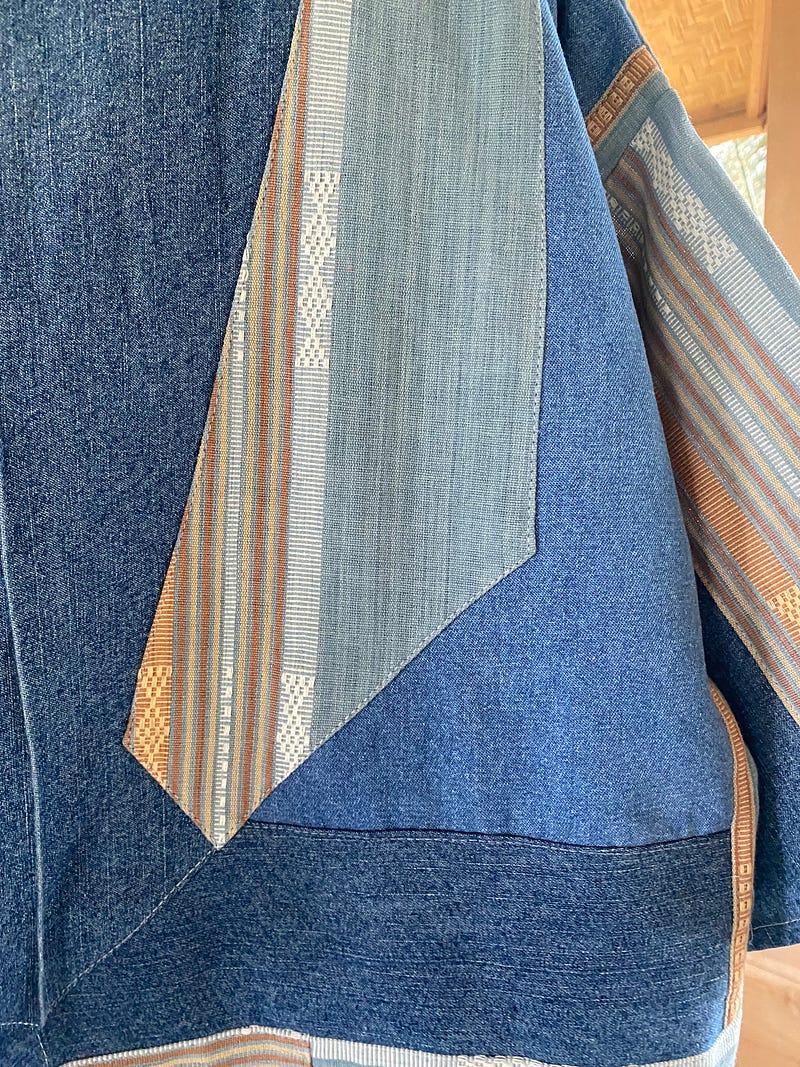
Sustainable resiliently aesthetic objects are sharable, durable, and they contain a certain degree of heaviness.
The term heaviness often connotes something dreary or gloomy, however, here it refers to meaning, substance, and stability and challenges. In order to live sustainably we must invite more heaviness into our lives; meaning, more substance, more stability as well as more significance and challenges.
Resiliently aesthetic objects are charged with heaviness in relation to the undertones, associations, and feelings that they awaken in the receiver. The sensations that are stimulated by an aesthetically resilient object are heavy in the sense that they don’t pass immediately — they linger.
However, the heaviness that the aesthetically resilient object is infused with is also very hands-on in a physical, phenomenological kind of way.
The hands-on heaviness that the resilient object encompasses consists of physical, material, sensuous stories; stories about the time that has been literally put into the object, which might even be discernible on the object’s surface; stories about the time that has been spent conceptualizing and constructing or shaping it. Stories that leave nourishing traces on the object surface and invite usage rather than consumption.