The Sussexes Vs The Windsors: Qui Bono?
With neither side backing down in the war of words between Buckingham palace and the Sussexes, what will the departure of the senior royals mean for the future of the monarchy, in the age of Brexit, in light of the revelations about Prince Andrew and those clamouring for the republic of Great Britain?
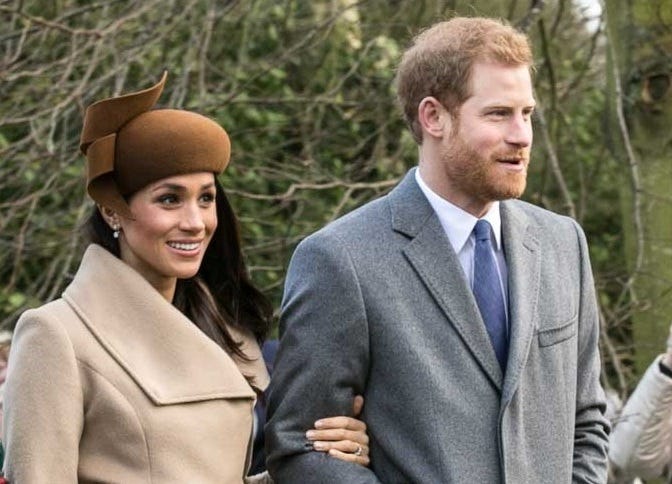
When the wedding between Prince Harry and Meghan Markle took place in May 2018, I, the most ardent republican, had tears welling up in my eyes at the symbolism and sheer poignancy of the event — Princes William and Harry walking up to the Church, in a way that the late Princess Diana would have been immensely proud, the soon to be a black mother in law and the prospect of the monarchy having a black family in its midst.
Within a few months of the wedding, there were rumors of a split within the Sussexes and Cambridges and since then things have descended into a full-blown civil war.
What’s happened?
First, it was announced by the that her majesty had granted her approval to the new couple to have a new office at Buckingham palace separate from the joint arrangement that the Sussexes previously had with Duke and Duchess of Cambridge. This was off the back of tensions between the brothers and their wives.
Once this announcement was made, the British papers smelt blood and went in very hard — The Mail, The Sun and The Mirror — The holy trinity of British tabloid journalism began to publish unflattering articles about Meghan Markle, her father, her malign influence on Prince Harry and her inability to adapt to the British way of doing things.
The high priest of hypocrisy- Piers Morgan, once editor of the mirror in a past life, made it his duty to attack the highest-profile non-Brit to join the firm since Wallis Simpson in the 1930s.
Things went this way until late in 2019, when Meghan Markle granted an interview with ITV’s Tom Bradby, admitting to having a very difficult time dealing with it all, upon being asked how she was by the anchorman, she seemed as though she was about to burst into tears, thanking Tom Bradby for asking and her trying to come to terms with the sheer ferocity and viciousness of her adopted country.
For millions of Black Brits, doubtless accustomed to several decades of gaslighting, unconscious bias, micro-aggression and sometimes subtle and not so subtle prejudice of living in a society simply unprepared to acknowledge its profoundly racist attitudes read this with their eyes closed — Meghan Markle, the Duchess of Sussex wasn’t targeted for being American, but she was getting attacked for being Black in the whitest, most conservative institution of all — the royal family.
In January 2020, The Duke and Duchess formally announced their plans to step back from their commitments as senior members of the royal family in a bid to harness their marketability as the most prominent mixed-race couple in the world today.
Needless to say that this news sent shock waves through the firm (sobriquet for Buckingham palace) and however much they tried spinning the ensuing controversy away, It was all too apparent that a schism had opened up between the young royals and the older generation. In a bid to avert headlines screaming crisis, her majesty, as head of the firm summoned the Sussexes to try to sort things out, the results of which were less than successful.
The harnessing of ‘Brand Sussex’ and the Buckingham palace backlash
Fast forward to February 2021, in which the Sussexes reiterated their decision to step back from royal duties, the old wound has, it seems has opened again. Their decision to harness their brand and grant an interview to Oprah Winfrey, in which Harry is shown talking about the effect of the press campaign on his late mother and the scant support she received (a massive dig at his father) and his refusal to let that happen to his wife, has gone down like a lead balloon at the Buckingham Palace.
Not wanting to be left out of the action, Buckingham palace came out a few days ago to say that a few complaints of bullying were made against Meghan Markle and that it would be taking these allegations seriously.
The Sussexes vs The Windsors: Qui Bono?
The sustained attacks on the Sussexes, with the morally repugnant Piers Morgan pointing out that the earrings worn by the Duchess were given to her by Mohammed Bin Salman, notwithstanding, the efforts of the couple to monetize their brand does leave a bit of bad taste in the mouth, even in the eyes of their most ardent supporters.
Whoever it was who advised the palace to raise the Meghan bullying claims as a way of deflecting attention from the impending interview with Oprah, should be instantly dismissed. This has striven to exacerbate the state of affairs and show a somewhat vindictive and hypocritical side to the machine.
People are wondering why the same enthusiasm wasn’t applied to Prince Andrew when revelations about his indiscretion in Jeffery Epstein’s house were raised back in 2020.
The monarchy has shown great resilience and a knack for reinventing itself in times of great peril, with the first world war, the abdication crises of 1936, the death of Diana, the Princess of Wales, being great examples. However, these are different times. We live in an age of emotional expression.
With Brexit and the specter of Scottish independence looming quite large, the firm might not be on solid footing and more than anything else, the monarchy needs its younger, telegenic members to help drag it into the twenty first century and have it firmly placed in the nation’s affections.
Attacking the Duke and the Duchess of Sussex isn’t a winning strategy, in any way shape or form. Someone should try talking some sense into the royal advisers.
Thanks very much for reading.