
The Super Cool Thing I Learned in Therapy — And how it changed the way I deal with my family.
I considered myself an orphan of the living for most of my life. Walking away from my family’s dysfunction and drama seemed the only way for me to find peace and happiness in this world. But, part of me didn’t want it to be that way. I always wished there was something I could do to make things better for my people. I felt sad that life seemed so hard there, and guilty for having the nice life I worked so hard for.
Despite my sadness, I made rigid boundaries with my family, because engaging with them was so hard on me emotionally. Spending time with my parents was draining. I left our interactions feeling depleted and depressed. I avoided contact sometimes, to save myself the emotional hangover that came after a trip home.
After years of therapy and all kinds of healing work, I still get depressed when I go home to visit. But, after a session with the best therapist ever, I think I understand why.
I used to think that going home brought back painful memories from the past, grief for the loved ones who are no longer with us, and all the emotional garbage that comes along with that — and that was why I felt so hopeless and sad when I was there. I’m sure that’s still part of it, but it’s more than that.
I went to see my therapist after a recent trip home, to see if we could figure out why I couldn’t shake my funk after spending time with my family. Sadness was my predominant feeling, but there was definitely frustration, guilt, shame and something like teenage rage in there, too. Mostly, I just felt exhausted.
I vented for a while about all of the problems my parents are dealing with — big, scary, life-changing decisions nobody wants to think about. It’s a lot. And, sadly, they just don’t seem to have the capacity to do what must be done.
I rambled on and on about all of my family’s issues. When my therapist asked how I was feeling, I said, “Tired.”
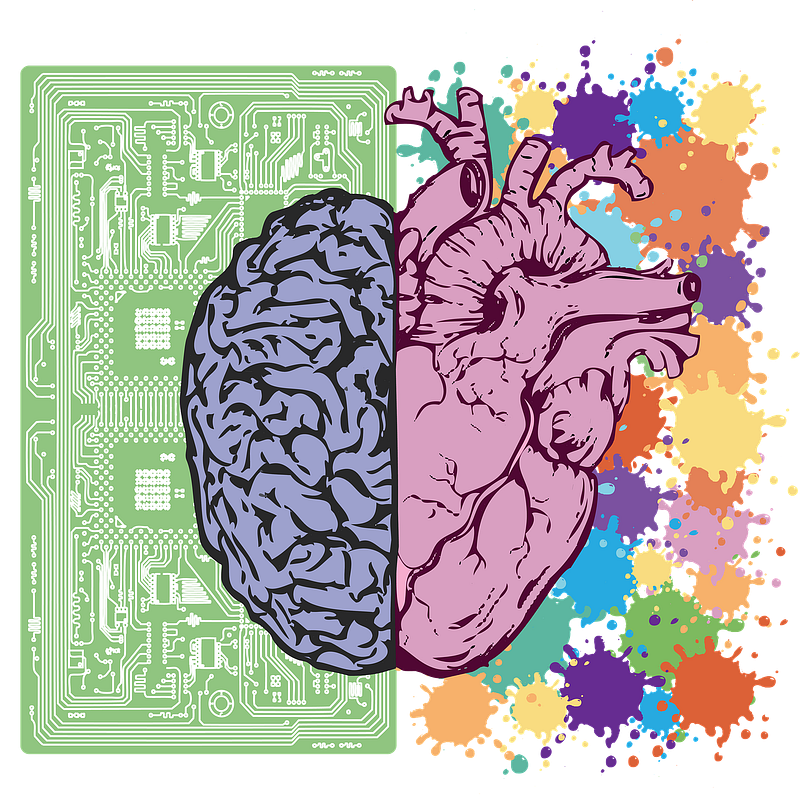
She told me that when we are supporting someone we care about, our brain processes that experience according to whether or not we feel like we can help and make a difference. If we feel like we can help, our brain processes our experience like love. If we feel like we cannot help, our brain processes that experience like pain. This was a big aha moment.
Basically, spending time with my family felt as depressing as chronic pain, because I felt hopeless about their situation.
Thinking about things this way helped me realize that staying away and not helping gave me the same guilty, sad feeling that being in the middle of things and not seeing a solution came with. If I could change the way I was looking at the situation, maybe I could change the way I feel, too.
I like to make lists when I feel overwhelmed. I’m very visual, so seeing things on paper really helps. Typically, I would make two columns on a sheet of paper and fill them in. In the first column, I would write down things within my control. In the second, I would write down things outside my control. Then, I would fold the paper in half long-way, and only look at the items on the list of things I could control. Everything outside my control was a lost cause. I had to just trust that things were working out the best way possible.
Now, I can take my list of things that feel within my control and divide them into two more columns — things I feel like I can fix/improve and things I don’t have answers for. This allows me to focus on the items that I can change, which helps me feel like my time and energy are doing good things. Even if I can’t totally save the day, just making it a tiny bit easier feels better than not doing anything at all.
When there are no answers or solutions, just listening and being present goes a long way. Showing up and holding space for people we care about might be the most important thing we can do when there is a crisis. Even if we don’t bring all the answers with us, just bringing a meal, a hug or a tiny bit of needed information can make a huge difference. And, when we feel like we are making a difference, we feel energized — not depleted.
The most important thing to remember when helping others, is to take good care of ourselves. Even in times of crisis, we need to sleep, eat well, hydrate, move and keep some normalcy for our families and children. As we care for ourselves, we are able to do what must be done for those around us.
As we focus on things we can control, and ways to make a positive impact, we keep our energy flowing in the direction of healing and helping — this feels like love for everyone involved.