Summary
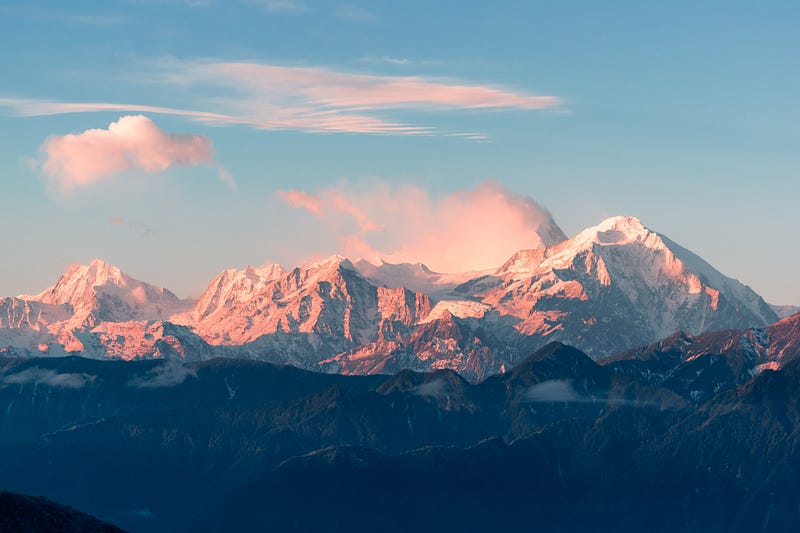
The poem "The Summits" reflects on the changing seasons and their impact on nature, highlighting the contrast between the beauty of the mountains and the environmental degradation at their feet.
Abstract
"The Summits" is a cascade poem that contemplates the cyclical transformation of the environment, from the polluted air of factories to the changing colors of the mountains. It paints a picture of nature's resilience and vulnerability, juxtaposing the majesty of the summits with the consequences of human activity. The poem describes the seasons as a metaphor for life and death, with summer's ash, fall's dust, winter's ice, and spring's wildflowers. It also touches on the human connection to these natural cycles, as we watch and partake in the rituals of the earth, dancing by the rivers that may soon dry up, leaving behind only clay.
Opinions
- The poem conveys a sense of resignation to environmental damage, with the repeated phrase "I’ve grown accustomed to watching the summits," suggesting a normalization of ecological decline.
- There is a critique of industrial pollution, as factories are personified, "spitting out hot, sticky air," which is likened to "burning oil" and "second-hand smoke" that the trees must inhale.
- The author seems to mourn the loss of natural beauty and health, as evidenced by the description of summers waking up to "suffocated tree ash" and the transformation of ash to dust to wind.
- The cycle of the seasons is presented as a series of funerals, indicating a somber view of the natural world's future, with the implication that each season brings a form of death or loss.
- The poem suggests a disconnection between humans and the natural world, as people are depicted as being "sequestered at the feet of tall giants," perhaps indicating a lack of stewardship or a failure to protect the environment.
- Despite the bleak outlook, there is also an undercurrent of hope or persistence, as the cycle continues with spring bringing new life and wildflowers that dress the mountains in "dirty browns, white-powders, deep emeralds,