
The Summary of “How to Win Friends and Influence People” by Dale Carnegie
Mastering the Art of Human Relations
Timeless Principles for Building Meaningful Relationships and Achieving Personal and Professional Success
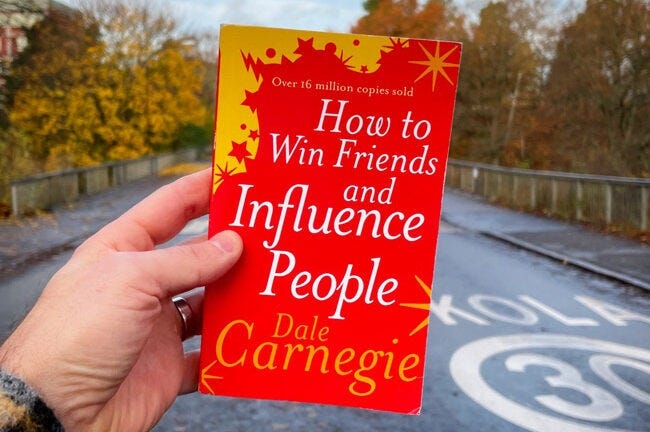
Dale Carnegie’s “How to Win Friends and Influence People,” first published in 1936, is a timeless guide to understanding the nuances of human behavior and leveraging this understanding for personal and professional success. The book is based on Carnegie’s courses in self-improvement, salesmanship, corporate training, and interpersonal skills, and it has been a bestseller for decades. This summary aims to encapsulate the key principles and actionable advice that Carnegie offers for anyone looking to improve their social skills and influence.
Hello, dear readers! Welcome to today’s blog post where we’ll explore a book that has been influencing leaders, sparking friendships, and guiding people to success for almost a century: “How to Win Friends and Influence People” by Dale Carnegie. Whether you’re familiar with the book or you’re hearing about it for the first time, this post promises to be an insightful dive into its never-aging wisdom.
The Fundamental Techniques in Handling People
Carnegie starts by outlining three fundamental techniques for handling people effectively:
- Don’t Criticize, Condemn, or Complain: Criticism puts people on the defensive and usually makes them justify themselves, which hampers constructive communication.
- Give Honest and Sincere Appreciation: Genuine compliments and appreciation make people more open to your ideas and suggestions.
- Arouse in the Other Person an Eager Want: Understand the needs and desires of others and show them how they can achieve their goals through your proposals.
Six Ways to Make People Like You
Carnegie provides six principles that serve as the foundation for making friends and building lasting relationships:
- Become Genuinely Interested in Other People: Showing genuine interest in others not only wins friends but also influences them positively.
- Smile: A simple smile can make a significant impact on first impressions and ongoing relationships.
- Remember and Use People’s Names: A person’s name is crucial to them; using it wisely can win you favor and attention.
- Be a Good Listener and Encourage Others to Talk About Themselves: People love to talk about themselves; being a good listener makes you a great conversationalist.
- Talk in Terms of the Other Person’s Interests: Discussing topics that interest the other person makes you more engaging and likable.
- Make the Other Person Feel Important: Recognizing and affirming the value of others boosts their self-esteem and wins their friendship.
Twelve Ways to Win People to Your Way of Thinking
Carnegie outlines a dozen principles for persuading people and winning them over to your way of thinking:
- Avoid Arguments: Arguments often serve to further entrench people in their views.
- Show Respect for the Other Person’s Opinions: Never say “you’re wrong,” as it puts the other person on the defensive.
- Admit Your Mistakes Quickly and Emphatically: This disarms your opponents and makes it easier for them to hear your ideas.
- Begin in a Friendly Way: A friendly approach is the first step to winning any argument or negotiation.
- Get the Other Person Saying ‘Yes, Yes’ Immediately: Asking questions that get the other person agreeing with you can often lead them to be more open to your proposals.
- Let the Other Person Do a Great Deal of the Talking: This not only makes them more amenable to your ideas but also gives you insights into their thought process.
- Let the Other Person Feel the Idea Is His or Hers: People are more likely to support an idea that they feel they’ve contributed to.
- Try Honestly to See Things from the Other Person’s Point of View: This not only wins you empathy but often opens new ways to solve problems.
- Be Sympathetic to the Other Person’s Ideas and Desires: Sympathy and understanding pave the way for harmonious relations and positive outcomes.
- Appeal to Nobler Motives: People like to think of themselves as noble; appealing to these instincts can often win them over.
- Dramatize Your Ideas: An impactful presentation captures attention and is more persuasive.
- Throw Down a Challenge: A challenge arouses competition and often gets the best out of people.
Buy me coffee -> buymeacoffee.com/moebarbar
Be a Leader: How to Change People Without Giving Offense or Arousing Resentment
Carnegie offers advice on how to lead people and inspire them to change their behavior without causing offense:
- Begin with Praise and Honest Appreciation: This sets the stage for more receptive communication.
- Call Attention to People’s Mistakes Indirectly: This is less likely to provoke defensiveness.
- Talk About Your Own Mistakes Before Criticizing the Other Person: This makes it easier for them to accept their own shortcomings.
- Ask Questions Instead of Giving Direct Orders: This makes people more willing to comply.
- Let the Other Person Save Face: Allowing people to correct mistakes in private wins their gratitude.
- Praise Every Improvement: Positive reinforcement encourages a change in behavior.
- Give Them a Fine Reputation to Live Up To: People will often strive to live up to the positive image you paint of them.
- Encourage Them by Making Their Faults Seem Easy to Correct: This makes the task of improving seem less daunting.
- Make the Other Person Happy About Doing What You Suggest: This ensures not only compliance but also enthusiastic participation.
Conclusion
“How to Win Friends and Influence People” offers a comprehensive guide to understanding human behavior and leveraging it for personal and professional success. The principles Dale Carnegie outlines are based on common sense, but they offer a structured approach to interpersonal relations that has stood the test of time.
Thank you for reading this summary. If you’re looking to improve your social skills, build meaningful relationships, and influence people positively, this book is an invaluable resource.