avatarBelcairn

Free AI web copilot to create summaries, insights and extended knowledge, download it at here

2054

Abstract

church (where the singer Lily Allen was married) and there are a few more modern homes.</p><p id="5268">The <a href="https://www.tripadvisor.com/Restaurant_Review-g4353367-d1982291-Reviews-The_Black_Horse_Inn-Cranham_Gloucester_Cotswolds_England.html">pub</a> is of course the social centre of the village, with roast beef and Yorkshire pudding at lunchtime, Morris Men dancing to celebrate spring, and sometimes a meet of a local Hunt. An English idyll in other words.</p><p id="65e6">The geographic centre of the village is the Common. This piece of land is designated both an Area of Outstanding Beauty and a Site of Special Scientific Interest. Natural, ‘unimproved’ common grazing land such as this formed a significant part of the English landscape in years gone by but is now very much a rarity.</p><p id="4e1d">This piece of land had been most recently been owned by one family for 150 years until 2008 when it came up for sale. Can you imagine what could have become of it? Fortunately the villagers managed to raise the funds required to buy the land and the common is now held in trust and managed by a combination of English Nature, the National Trust, and a couple of smaller partners.</p><p id="d37f">The common is grazed by a small herd of cattle — currently Belted Galloways but previously Black Angus — and the grazing of these cattle maintains the common in a natural way.</p><p id="58a2">As you walk across the common, which is on a gentle hill, you’ll encounter several beautiful wildflower species. Here are my favourites:</p><figure id="cec8"><img src="https://cdn-images-1.readmedium.com/v2/resize:fit:800/1*JXiyo3533UWJtMTJngb1MQ.jpeg"><figcaption><b>Cowslip (Primula veris) </b>Photo credit: Joli, CC BY-SA 4.0 <<a href="https://creativecommons.org/licenses/by-sa/4.0">https://creativecommons.org/licenses/by-sa/4.0</a>>, via Wikimedia Commons</figcaption></figure><figure id="c289"><img src="https://cdn-images-1.readmedium.com/v2/resize:fit:800/1*w-lTxu7LEmsBZ0sXrwqYWQ.jpeg"><figcaption>Yellow Rattle (Rhinanthus minor)

Options

Photo Credit Glyn Baker / Rhinanthus minor — Wiki media commons</figcaption></figure><figure id="df50"><img src="https://cdn-images-1.readmedium.com/v2/resize:fit:800/1*hT0tTpmNn77c52y9XY-7qQ.jpeg"><figcaption>Spotted orchid by Marion Haworth, CC BY-SA 2.0 <<a href="https://creativecommons.org/licenses/by-sa/2.0">https://creativecommons.org/licenses/by-sa/2.0</a>>, via Wikimedia Commons</figcaption></figure><figure id="8235"><img src="https://cdn-images-1.readmedium.com/v2/resize:fit:800/1*fM8uqgvKopgPq7Qp26Mwjw.jpeg"><figcaption>Glyn Baker / Pyramidal orchid</figcaption></figure><figure id="ef75"><img src="https://cdn-images-1.readmedium.com/v2/resize:fit:800/1*dHcqLKl84m7bXUxjMhP73g.jpeg"><figcaption>Fly Orchid. Photo credit Charlie Jackson, CC BY 2.0 <<a href="https://creativecommons.org/licenses/by/2.0">https://creativecommons.org/licenses/by/2.0</a>>, via Wikimedia Commons</figcaption></figure><figure id="aedd"><img src="https://cdn-images-1.readmedium.com/v2/resize:fit:800/1*LjgBZ1hjx4ks_7tDcXnooA.jpeg"><figcaption>Lesser Butterfly Orchid (Platanthera bifolia) by Ian Capper, CC BY-SA 2.0 <<a href="https://creativecommons.org/licenses/by-sa/2.0">https://creativecommons.org/licenses/by-sa/2.0</a>>, via Wikimedia Commons</figcaption></figure><p id="359b">Around the common are pristine woodlands and many enjoyable walks — often with a country pub on the route for a spot of lunch or a refreshment.</p><p id="0e8f">If you’re visiting Gloucestershire this spring, why not stop by Cranham — but let’s keep it our little secret.</p><p id="ecc5"><i>Do you like nature, food, travel and music? Follow <a href="https://belcairn.medium.com/">my account</a> to read more. To access millions of other great articles, you can sign up to become a <a href="https://belcairn.medium.com/membership">Medium Member</a>!</i></p><p id="00a8"><i>You can also sign up for my newsletter <a href="https://belcairn.medium.com/about">here</a>, so you get my stories straight into your inbox before everyone else!</i></p></article></body>

The Stunning Wildflowers Of Cranham Common

A beautiful English idyll
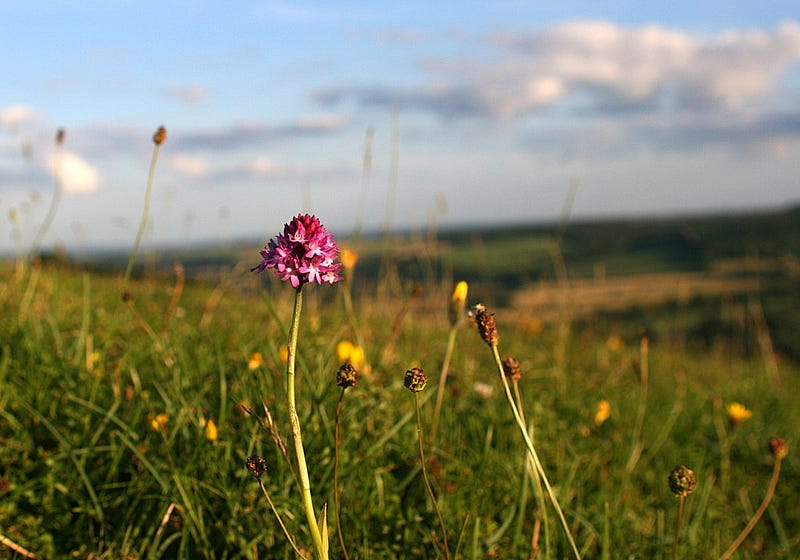
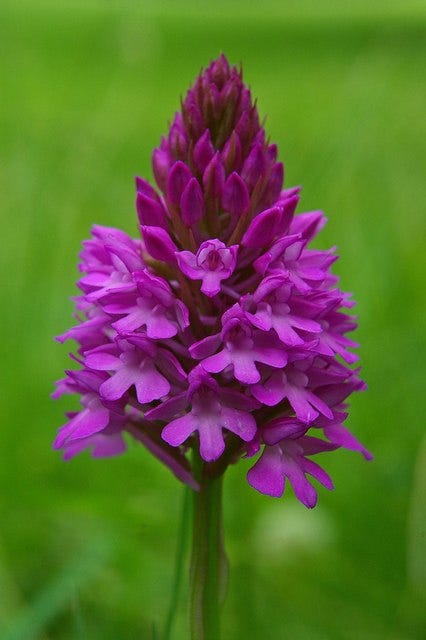
Pyramid Orchid (Anacamptis pyramidalis) on chalky down land, England. Marilyn Peddle, North Dorset, England, CC BY 2.0 <https://creativecommons.org/licenses/by/2.0>, via Wikimedia Commons

Urbanization and modern farming practices have had such a huge impact on our environment. Many beautiful wildflowers and the species of insects that depend on them are simply not adapted to changes we have made to our land. I feel so blessed to have lived for a while on the edge of a natural haven — Cranham Common in Gloucestershire, England.

Cranham is tucked away amongst a rolling landscape just south of Cheltenham and close to the better-known villages of Painswick (whose churchyard boasts 99 yew trees) and Slad (where the author of Cider with Rosie, Laurie Lee, lived). The village itself is a combination of old country cottages — including Midwinter Cottage where Gustav Holst wrote “In The Bleak Midwinter” — a small school, a beautiful church (where the singer Lily Allen was married) and there are a few more modern homes.

The pub is of course the social centre of the village, with roast beef and Yorkshire pudding at lunchtime, Morris Men dancing to celebrate spring, and sometimes a meet of a local Hunt. An English idyll in other words.

The geographic centre of the village is the Common. This piece of land is designated both an Area of Outstanding Beauty and a Site of Special Scientific Interest. Natural, ‘unimproved’ common grazing land such as this formed a significant part of the English landscape in years gone by but is now very much a rarity.

This piece of land had been most recently been owned by one family for 150 years until 2008 when it came up for sale. Can you imagine what could have become of it? Fortunately the villagers managed to raise the funds required to buy the land and the common is now held in trust and managed by a combination of English Nature, the National Trust, and a couple of smaller partners.

The common is grazed by a small herd of cattle — currently Belted Galloways but previously Black Angus — and the grazing of these cattle maintains the common in a natural way.

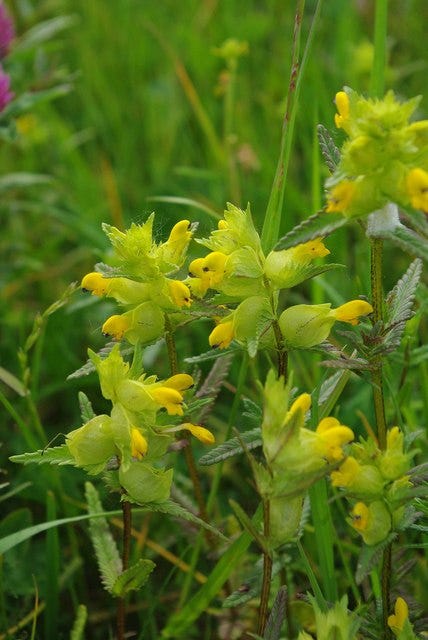
As you walk across the common, which is on a gentle hill, you’ll encounter several beautiful wildflower species. Here are my favourites:
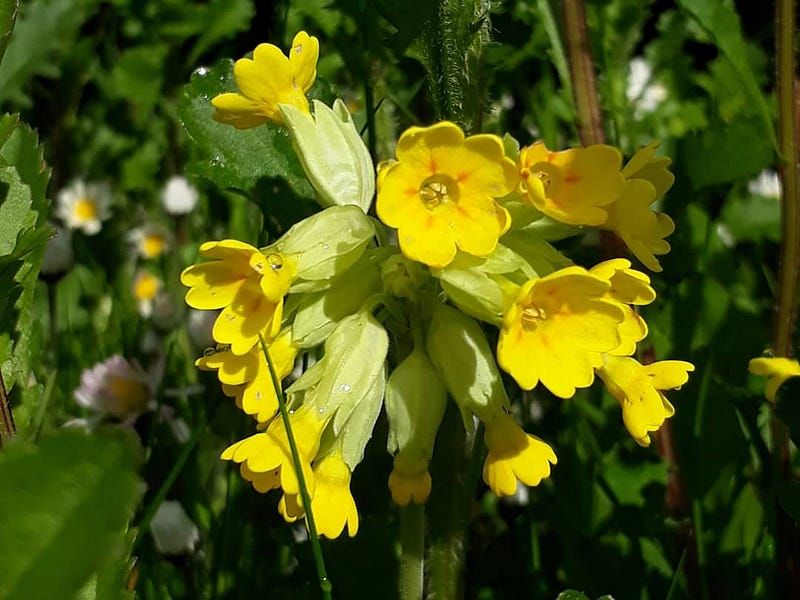
Cowslip (Primula veris) Photo credit: Joli, CC BY-SA 4.0 <https://creativecommons.org/licenses/by-sa/4.0>, via Wikimedia Commons
Yellow Rattle (Rhinanthus minor) Photo Credit Glyn Baker / Rhinanthus minor — Wiki media commons
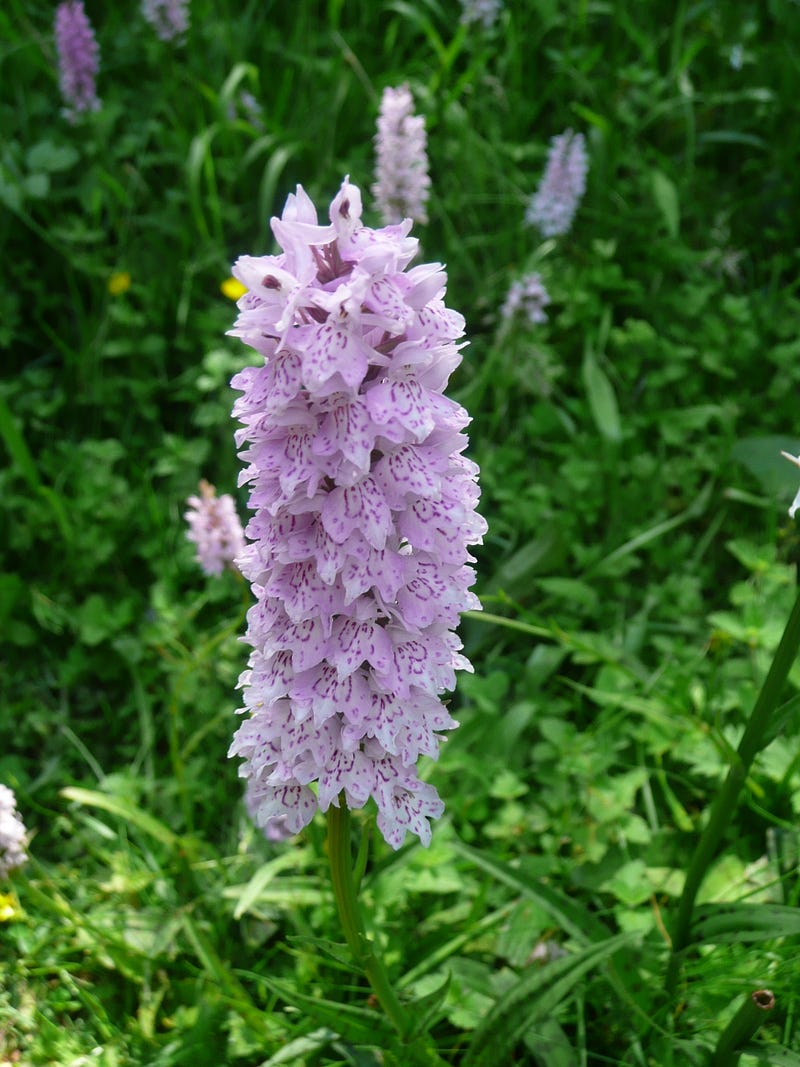
Spotted orchid by Marion Haworth, CC BY-SA 2.0 <https://creativecommons.org/licenses/by-sa/2.0>, via Wikimedia Commons
Glyn Baker / Pyramidal orchid
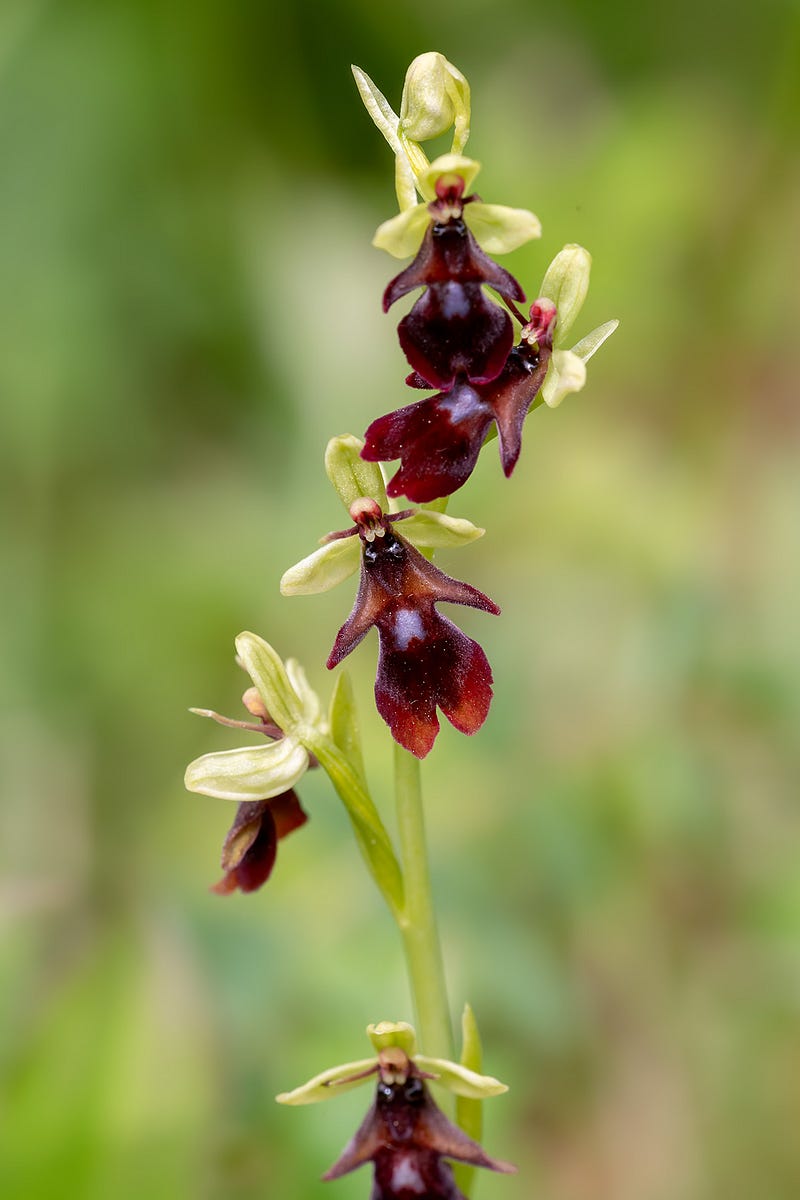
Fly Orchid. Photo credit Charlie Jackson, CC BY 2.0 <https://creativecommons.org/licenses/by/2.0>, via Wikimedia Commons
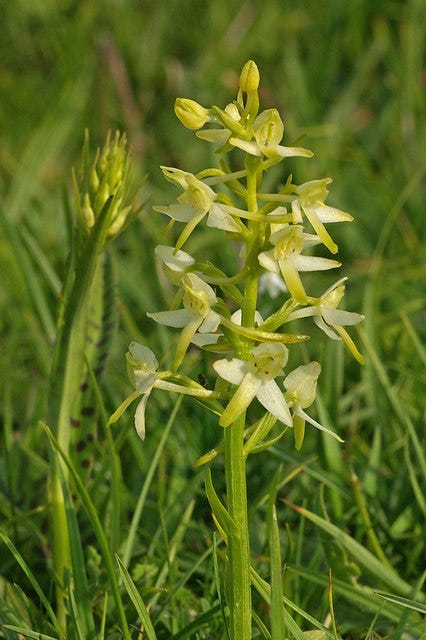
Lesser Butterfly Orchid (Platanthera bifolia) by Ian Capper, CC BY-SA 2.0 <https://creativecommons.org/licenses/by-sa/2.0>, via Wikimedia Commons

Around the common are pristine woodlands and many enjoyable walks — often with a country pub on the route for a spot of lunch or a refreshment.

If you’re visiting Gloucestershire this spring, why not stop by Cranham — but let’s keep it our little secret.

Do you like nature, food, travel and music? Follow my account to read more. To access millions of other great articles, you can sign up to become a Medium Member!

You can also sign up for my newsletter here, so you get my stories straight into your inbox before everyone else!

Nature
Travel
England
Flowers
Mental Health
Recommended from ReadMedium