
The Struggle for Air Supremacy: Ukraine’s Patriot Systems Engage Russian Aircrafts!
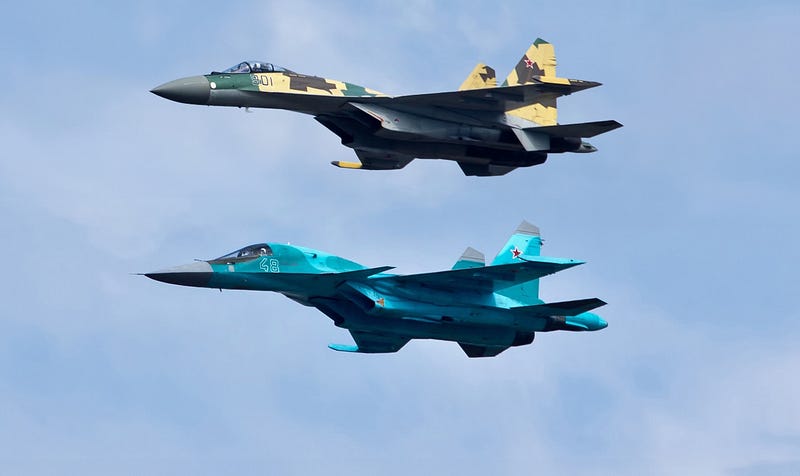
Since the onset of the conflict in Ukraine, the contest for air supremacy has emerged as a pivotal element of the broader struggle. From the early days, both Ukrainian and Russian forces have been locked in a relentless pursuit to dominate the airspace, a critical determinant of tactical and strategic advantage. The Ukrainian Ministry of Defense has recently illuminated the fierce aerial confrontations unfurling across the nation’s troubled skies. These reports reveal a relentless series of engagements, wherein Ukrainian air defense units are pitted against Russian aircraft in an intricate and perilous dance of aggression and defense. This ongoing clash, akin to a high-stakes game of cat and mouse, underscores the intense struggle for aerial dominance that has been central to the conflict from its inception.
On March 2nd, Ukrainian air defenses were put to the test as they engaged two Russian aircraft using anti-aircraft missiles. According to Ukrainian officials, their forces successfully neutralized a Russian Su-34 bomber, a significant victory in the ongoing struggle to maintain air superiority. However, they were unable to intercept the accompanying Su-35 fighter jet, as their Patriot system failed to engage the aircraft.
The incident underscores the complexity of modern aerial warfare, where the integration of advanced technology and the expertise of operators play a pivotal role in the outcomes of air battles. The Su-34, a powerful strike aircraft, demonstrates the progress in aviation with its ability to infiltrate enemy lines and execute targeted strikes. The Su-34 is equipped with advanced avionics, electronic warfare capabilities, and features that enable it to operate effectively in contested skies. The aircraft has been central to Russian military efforts, significantly contributing to their aerial campaigns in Ukraine.
A quick heads-up: Medium’s been tweaking its algorithms and it’s getting trickier for my stories to land in your feed. So, if you enjoy my work, please make some noise! Hit that clap button, light up the highlights, or drop a comment. Every interaction helps keep the stories flowing. Thanks for your support!
The successful interception of the Su-34 by Ukrainian air defenses highlights their tactical acumen and the efficiency of their systems in neutralizing advanced aerial threats. This encounter reflects the ongoing advancement in air combat technologies, with both adversaries constantly adapting to the changing conditions of warfare. Ukrainian forces, using sophisticated air defense mechanisms such as surface-to-air missiles and radar-guided weaponry, have showcased their capacity to detect, track, and destroy high-value targets in adverse environments. This effectiveness and tactical versatility underscore the intricate nature of air warfare today, where the ability to deploy and counteract superior technological elements in contested skies determines the strategic advantage.
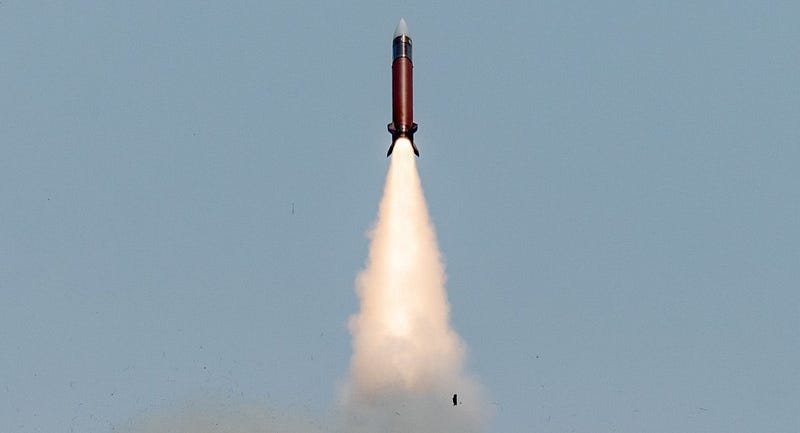
On the other hand, the Su-35, being a highly advanced and maneuverable fighter jet, has capabilities that might allow it to evade an intercept missile from a Patriot system. Its superior aerodynamics, high-speed performance, and integrated electronic warfare systems give it a potential edge in attempting to dodge missiles. The aircraft is equipped with countermeasures like radar jamming, flares, and chaff, which can confuse or mislead enemy radar and missile guidance systems.
However, whether the Su-35 can successfully dodge a Patriot missile also depends on the circumstances of the engagement, including the range, angle of attack, and the specific type of Patriot missile used. The Patriot system, known for its advanced radar and missile technology, is designed to track and engage fast-moving targets in various conditions. Therefore, while the Su-35 has the tools and performance capabilities to evade detection and interception, it is not invulnerable and the outcome would depend on the specific tactical situation, the skill of the pilot, and the effectiveness of the aircraft’s countermeasures against the tracking and targeting capabilities of the Patriot system.
Pilots of tactical aviation undergo extensive training in “anti-missile maneuvers,” designed to help them avoid being intercepted by surface-to-air missile systems. However, these maneuvers vary depending on the type of missile launched, be it a man-portable air defense system (MANPADS) or a long-range missile from a Patriot or S-400 system. The effectiveness of thermal countermeasures also varies depending on the type of interceptor missile being employed.
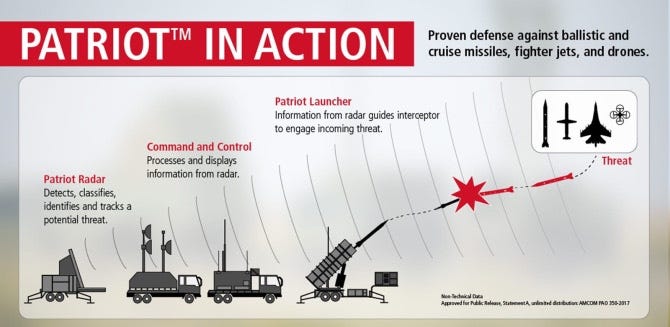
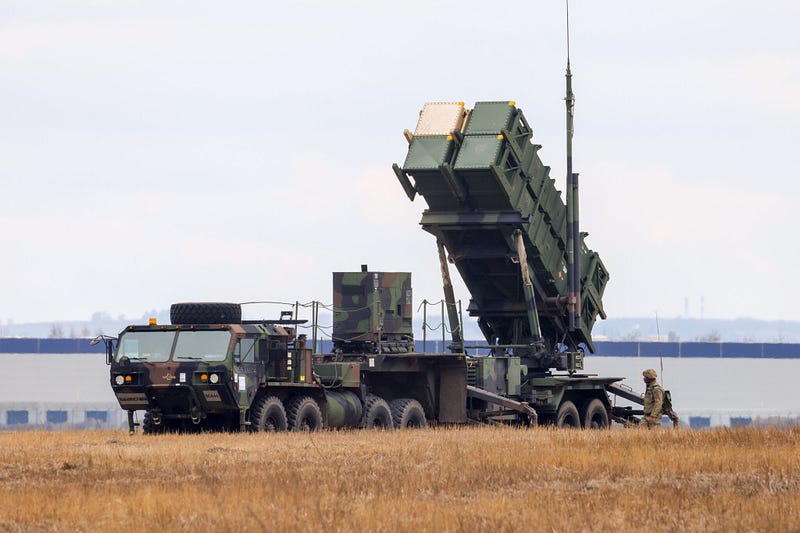
In the case of the March 2nd incident, the Ukrainian forces were using a Patriot system equipped with PAC-2/GEM+ interceptor missiles, capable of engaging targets at high altitudes and distances ranging from 150 to 160 kilometers. The guidance system of these missiles utilizes a radio command with target coordinates provided by a semi-active seeker head, known as Track-via-missile (TVM).
When faced with such a system, the onboard equipment of any fighter aircraft, including Russian ones, will first detect the radar of the Patriot system as it locks onto the target. As the radar switches from tracking mode to launch mode, it signals the start of a countdown for the targeted aircraft. At this point, the pilot must take evasive action in accordance with their training and the capabilities of their aircraft.
The most straightforward evasive maneuver is to perform a high-speed dive when the aircraft is at cruising altitude and speed. In this situation, every second counts, and the success of the maneuver depends heavily on the aircraft’s maneuverability and the g-forces it can withstand. The Su-35, for example, can endure g-forces of approximately 9G, while the Su-34 is limited to around 7G.
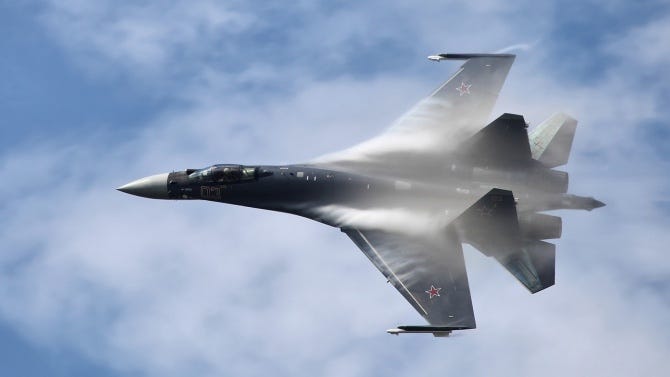
Additionally, the Su-34, being a bomber, is roughly four tons heavier than the Su-35 when empty and has a smaller payload capacity. Before performing evasive maneuvers, the Su-34 must also release its bombs, further limiting its ability to evade incoming missiles. Consequently, the Su-34 has a lower probability of escaping an interceptor missile compared to the Su-35, a reality reflected in the statistics. Between February 17th and March 2nd, Ukrainian Defense Forces shot down 12 Su-34 bombers and two Su-35 fighters, highlighting the effectiveness of their air defense systems against Russian aircraft.
As the conflict in Ukraine continues, the international community must remain steadfast in its support for the Ukrainian people as they defend their sovereignty and territorial integrity against Russian aggression. The provision of advanced air defense systems, such as the Patriot, is crucial in enabling Ukrainian forces to protect their airspace and civilian populations from Russian air strikes.
Moreover, the ongoing war in Ukraine serves as a stark reminder of the importance of investing in robust air defense capabilities in an era of increasingly sophisticated aerial threats. The lessons learned from the skies over Ukraine will undoubtedly shape the development of air defense strategies and technologies for years to come, as nations around the world grapple with the evolving nature of modern warfare.
In conclusion, the successful interception of a Russian Su-34 bomber by Ukrainian air defenses is a testament to the skill, courage, and determination of the Ukrainian military in the face of a formidable adversary. As the struggle for air supremacy continues, it is imperative that the international community remains united in its support for Ukraine, providing the necessary resources and expertise to help the nation defend its skies and protect its people from the ravages of war.
We encourage you, dear reader, to engage with this article by clapping, commenting, and sharing your thoughts on the ongoing conflict in Ukraine. Your support and engagement are vital in raising awareness about the plight of the Ukrainian people and the importance of standing in solidarity with them during these challenging times.