
PHOTOGRAPHY
The Story of the Solar Trackers
All about sunflowers and the reason why they are designed to follow the sun
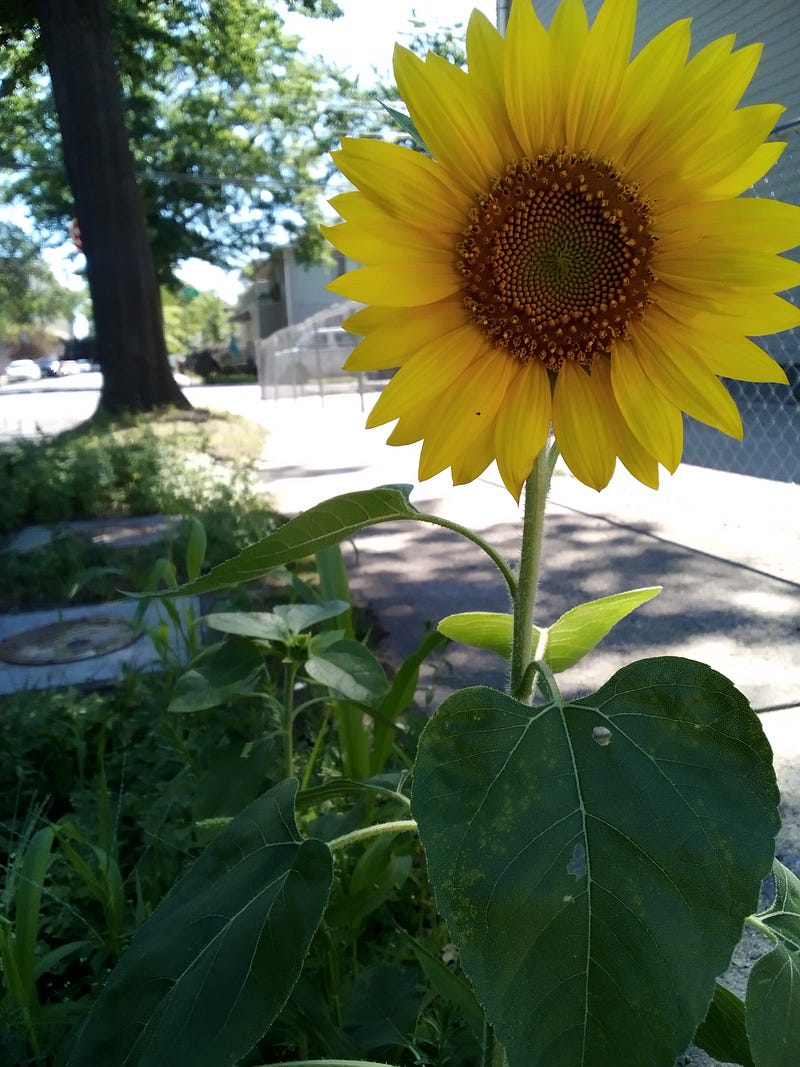
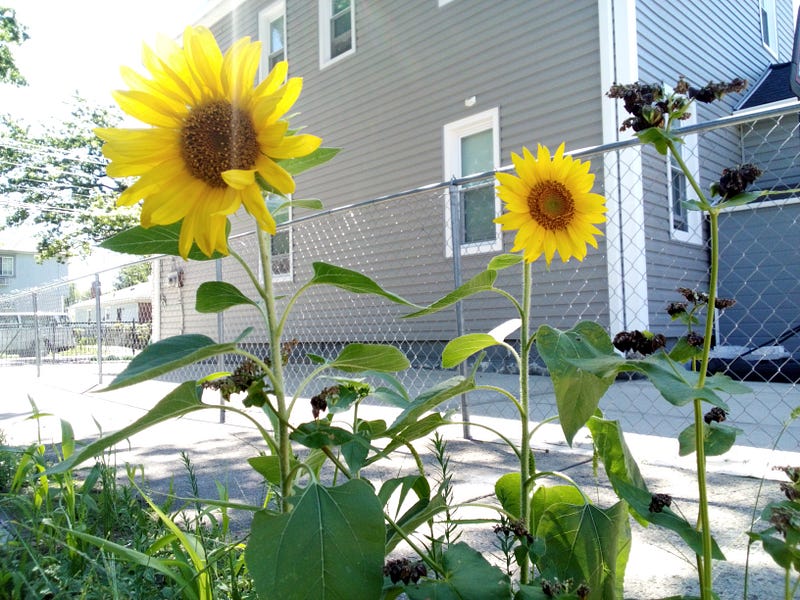
Sunflowers are said to be followers of the sun.
Part of where that name comes from is the fact that they are known for facing the sun. I’ve always found this to be a majestic quality — keeping your eye on the sun and following the light.
This phenomenon is called solar tracking.
The reason they do it is because:
Phototropically driven auxin movement promotes growth of the shaded side over the illuminated side of the stem, causing curvature that keeps the shoot tracking the Sun westward.
Sunflowers solar track as a way to eat up solar radiation and contain the sun’s warmth. They follow the sun from east to west throughout the day. At night, they readjust themselves, facing east, in anticipation of the sun’s arrival. Once it does, the process repeats itself.
One feature that assists them in solar tracking is their height. Sunflowers can grow to be very tall flowers, with the tallest one recorded as being 30 feet and 1 inch.
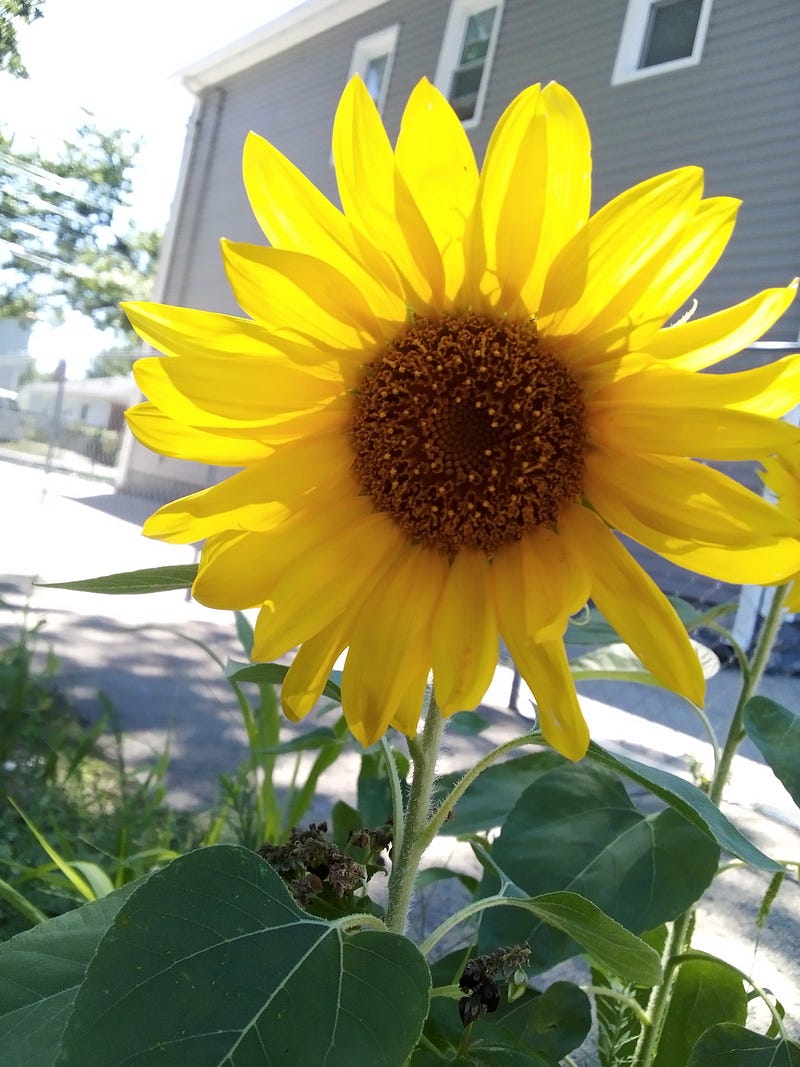
I am deeply moved by this flower’s urge to look for the light. It reminds me to hold onto my faith which is why I, personally, regard the sunflower as a symbol of hope. However, the sunflower actually symbolizes:
- loyalty
- adoration
- happiness
- and positivity
They also represent healing.
Sunflowers are believed to have healing properties and have been historically utilized to assist in the treatment of pulmonary issues and chest pain.
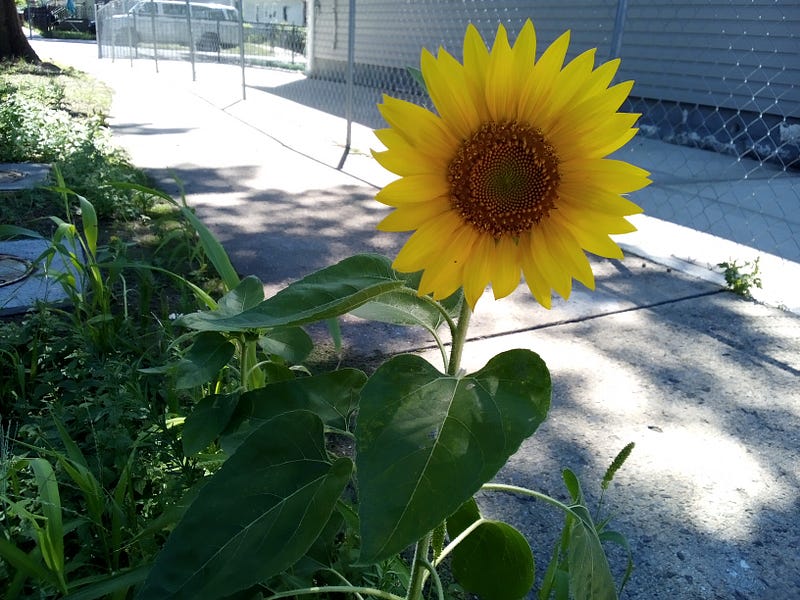
Another major fun fact about sunflowers is that they contain both, male and female sex organs. Their heads are also made of thousands of tiny flowers made up of little ray florets.
Sunflowers are also self-pollinators but will take pollen blown in by the wind or transferred by insects as an alternative, if needed.
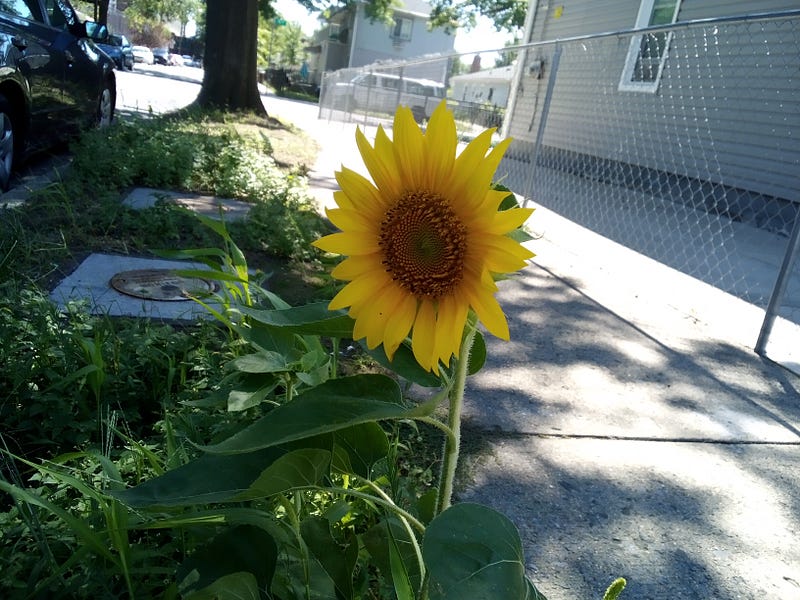
(The sunflower snapped above has actually tilted itself so that it’s facing toward the direction of the sun.)
Some sunflowers come back every year because they are perennials, whereas other sunflower species don’t which makes them annuals.
Annuals are flowers that have a lifespan of one year, instead of reoccurring yearly like perennials.
Sunflowers prefer full sun and well-drained soil. However, they grow best in slightly acidic soil with a pH between 6.0 to 6.8.
They are best planted around mid-April to the end of May, in order for them to reach full bloom by August.
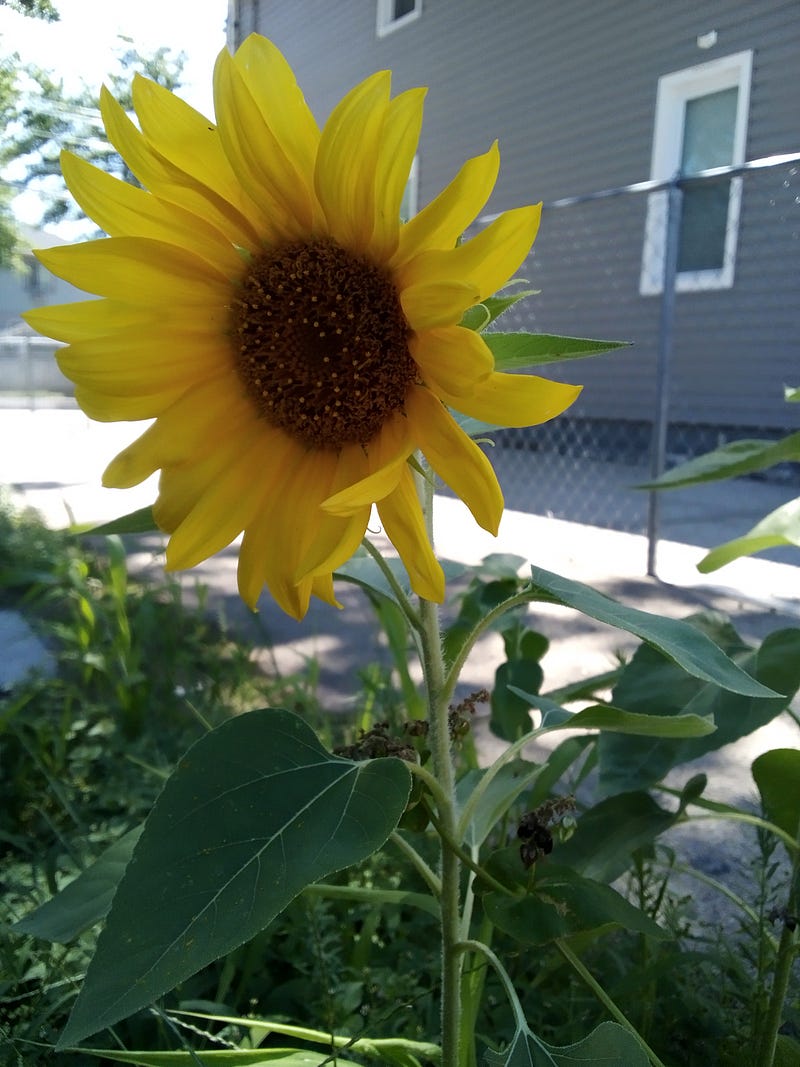
Fun Fact:
I have a sunflower tattooed on my left forearm.
I got it two days before my 26th birthday on October 24th, 2020. At the time, I was in an abusive relationship that I was preparing to leave.
I walked into the tattoo shop, saw the sunflower, and felt pulled to get it. By the time I left the shop, my mind was set. One month later, I walked away from that relationship. For good.
It is for this reason sunflowers, as the symbol of positivity, remind me to look for the light in my darkest moments.
Whenever I look at my sunflower, I’m reminded of the courage I displayed to make the right decision when my life was at a very important crossroads. The girl I was then would be proud of the woman I am now.
To all of you reading this, keep looking toward the sun.
For more awesome sunflower facts: here.
Until next time everybody ❤
© Linda Sharp 2023. All Rights Reserved.


