
The stories of childhood leave an indelible impression.
Howard Pyle on the importance of stories. (The Commonplace Book Project)
The Commonplace Book Project is a daily post based on Ray Bradbury’s advice to aspiring writers: read a poem, a short story, and an essay every day for 1000 days. These posts start with a quote and go wherever the rabbit hole leads. Follow The 1000 Day MFA publication so you don’t miss a thing.
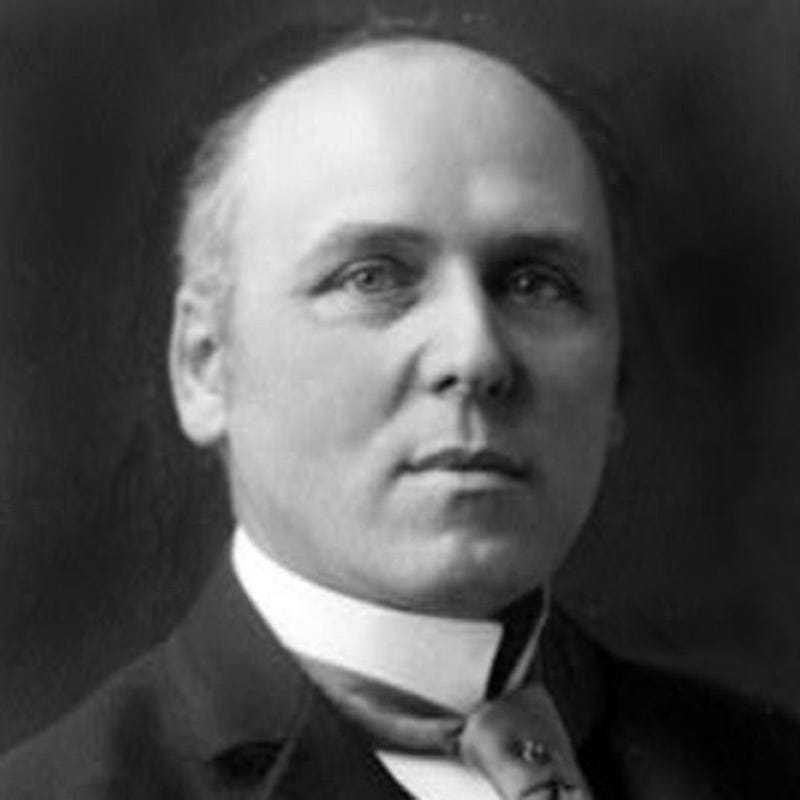
“The stories of childhood leave an indelible impression, and their author always has a niche in the temple of memory from which the image is never cast out to be thrown on the rubbish heap of things that are outgrown and outlived.” — Howard Pyle
When my daughter, Adrienne, went to Europe the summer before last, she brought me home a gift. A copy of Howard Pyle’s 1883 book, The Merry Adventures of Robin Hood that she found at a flea market in London.
Pyle was an illustrator and an author. One of his great contributions to literature was to be the first to bring the medieval poems about Robin Hood together into a cohesive story — written to appeal to children.
(He also is credited with creating the modern idea of pirate dress.)
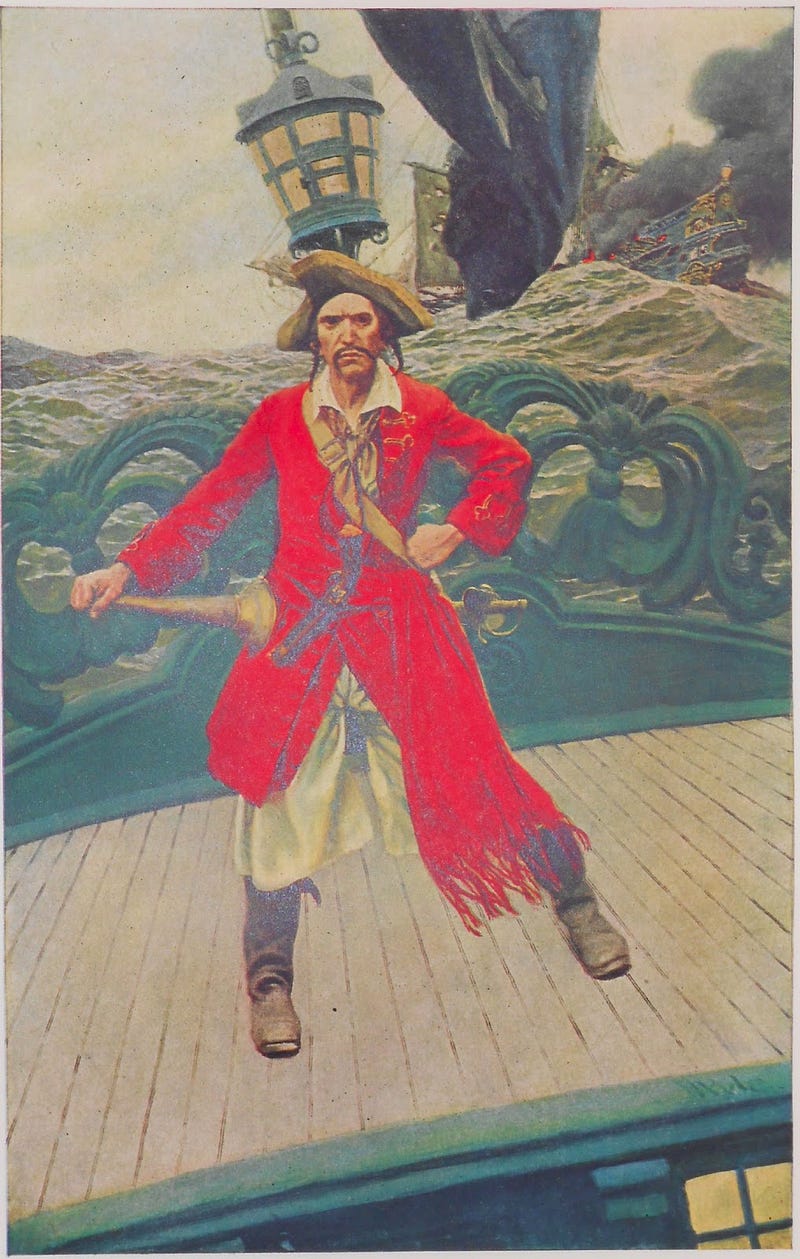
Pyle was the right artist at the right time, I think. During his time, book publishing technology had improved to the point that illustrators were sorely needed. He started the first American school for illustrators. He’s often called the father of American illustration.
Here’s a collection of some of his illustrations.
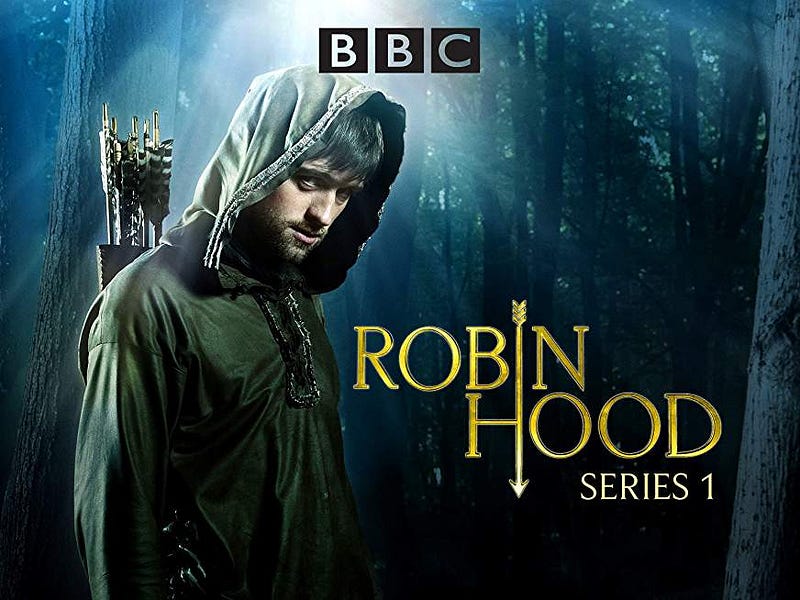
A few years ago I found the BBC Robin Hood series on Netflix and fell in love with it. It sparked an idea for a retelling — set in modern-day Las Vegas. But it was Pyle’s book that first introduced me to the story. My grandparents had a copy on their bookshelf.
I spent a lot of time at my grandparent’s house when I was a little girl. At home I had an almost unlimited supply of books. Books I owned and library books. But at my grandparents’ house I had one small shelf of books that never changed.
I read Robin Hood probably half a dozen times before I was twelve.
I think the idea that books read in childhood leave an indelible mark is true. It is for me, anyway. Stories I read as a child shaped me. Robin Hood, King Arthur, Little Women, Anne of Green Gables, The Secret Garden, Narnia, Middle-earth, Alice in Wonderland, Peter Pan, Grimm’s Fairy Tales.
I am still, after all these years, drawn to books filled with true love and pure hearts and broken people and adventure and a little magic. I’m 47-years-old and I have not outgrown them.
That’s why I write middle grade and young adult stories. Why my characters are almost always in the in-between places. Between childhood and adolescence. Between adolescence and adulthood.
I find magic there. And I love to tell those stories.
Pyle’s The Merry Adventures of Robin Hood is still in publication, nearly 150 years after it was first released. I have read several iterations of the story, but Pyle’s is still the best, in my opinion.
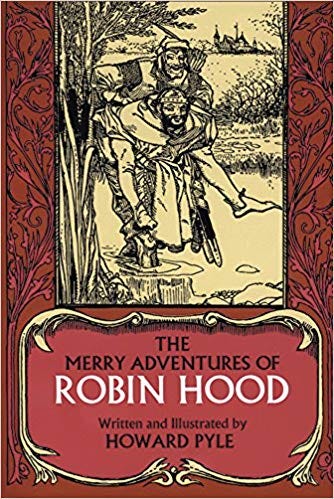
“IN MERRY ENGLAND in the time of old, when good King Henry the Second ruled the land, there lived within the green glades of Sherwood Forest, near Nottingham Town, a famous outlaw whose name was Robin Hood.”
The BBC version of Robin Hood is streaming on Amazon Prime right now. I watched the first episode again as I was writing this and it drew me right back in. So good.
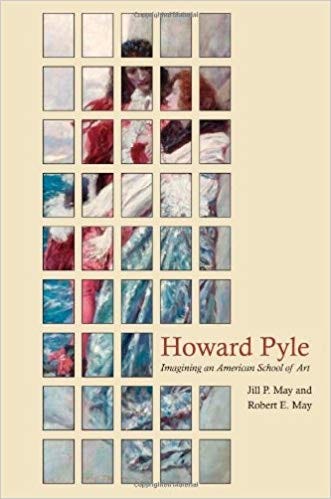
I’d like to read Jill May’s book about Howard Pyle, although it’s out of print and very expensive.
If I ever make it to Delaware, I’ll definitely make sure to see the Howard Pyle collection at the Delaware Art Museum.
I enjoyed this article about Pyle.
Today’s Poem:
Robin Hood By John Keats (Click the title for the full poem)
No! those days are gone away, And their hours are old and gray, And their minutes buried all Under the down-trodden pall Of the leaves of many years: Many times have winter’s shears, Frozen North, and chilling East, Sounded tempests to the feast Of the forest’s whispering fleeces, Since men knew nor rent nor leases.
Shaunta Grimes is a writer and teacher. She is an out-of-place Nevadan living in Northwestern PA with her husband, three superstar kids, two dementia patients, a good friend, Alfred the cat, and a yellow rescue dog named Maybelline Scout. She’s on Twitter @shauntagrimes and is the author of Viral Nation and Rebel Nation and the upcoming novel The Astonishing Maybe. She is the original Ninja Writer.


