

The Staying Power of Art
What I wouldn’t give to be remembered
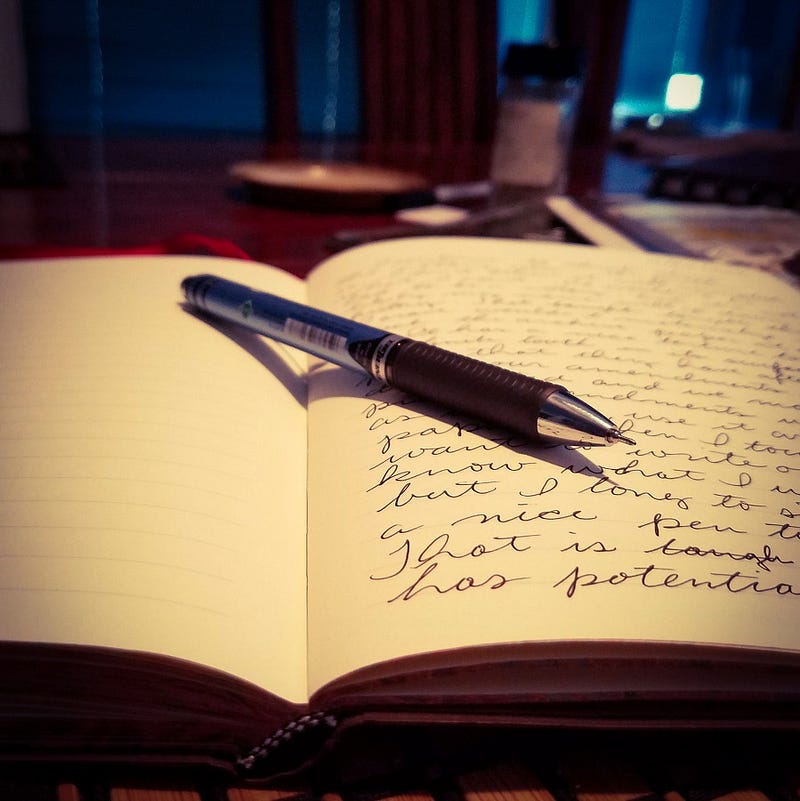
I have thought about becoming a Notary Public. Not to make money, just to leave my mark in the world. At my job, almost everything I do requires a notarized affidavit, which gets scanned and saved. I work with birth and death certificates, which we hold in perpetuity. This record retention and management inspires me to write, and to become a Jane Austin — remembered and studied long after her death.
Being a notary public won’t achieve that; it’s just my mind trying to take a shortcut. It’s me working with notary signatures every day and being highly impressionable. But it won’t work, not that easily.
That would be tangible. That has potential to stay around. Surely something written on this paper would be worth saving.
At my job I touch the archival paper. It has a nice texture, a definite tooth on the surface. After printing the documents we produce (documents held in perpetuity) the scraps get distributed. We use those scraps to manually print our documents, as well as use it as scratch paper. When I touch the paper, I really want to write on it. I don’t know what I want to write, but I long to sit and put a nice pen to that paper and feel the tip stroke across the surface. I want to look at my handwriting on that paper. That would be tangible. That has potential to stay around. Surely something written on this paper would be worth saving.
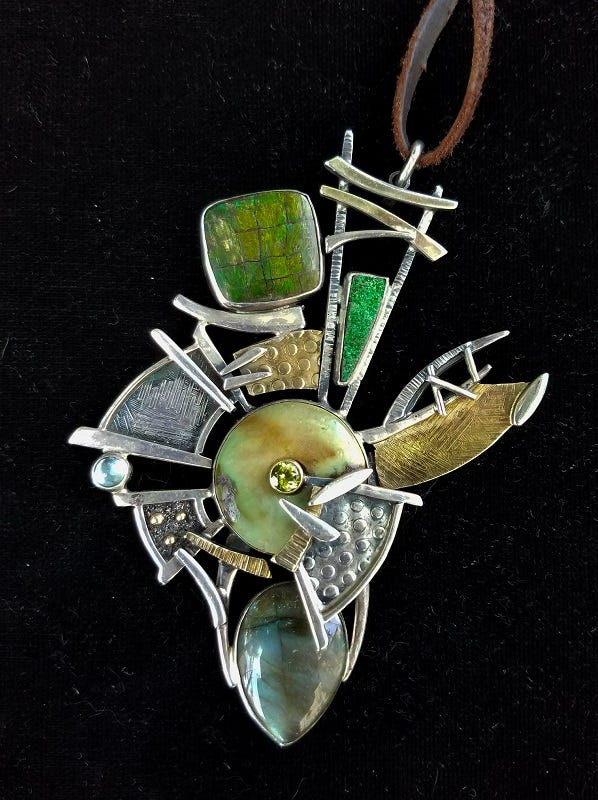
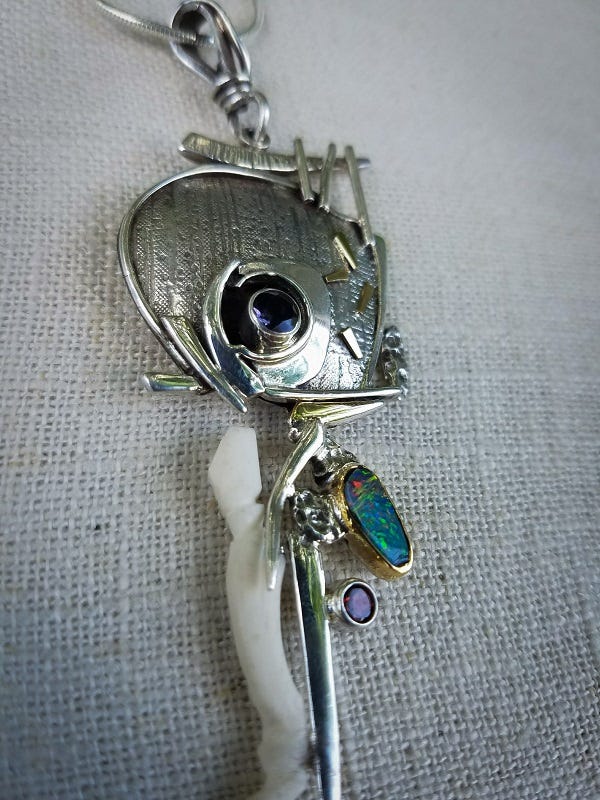
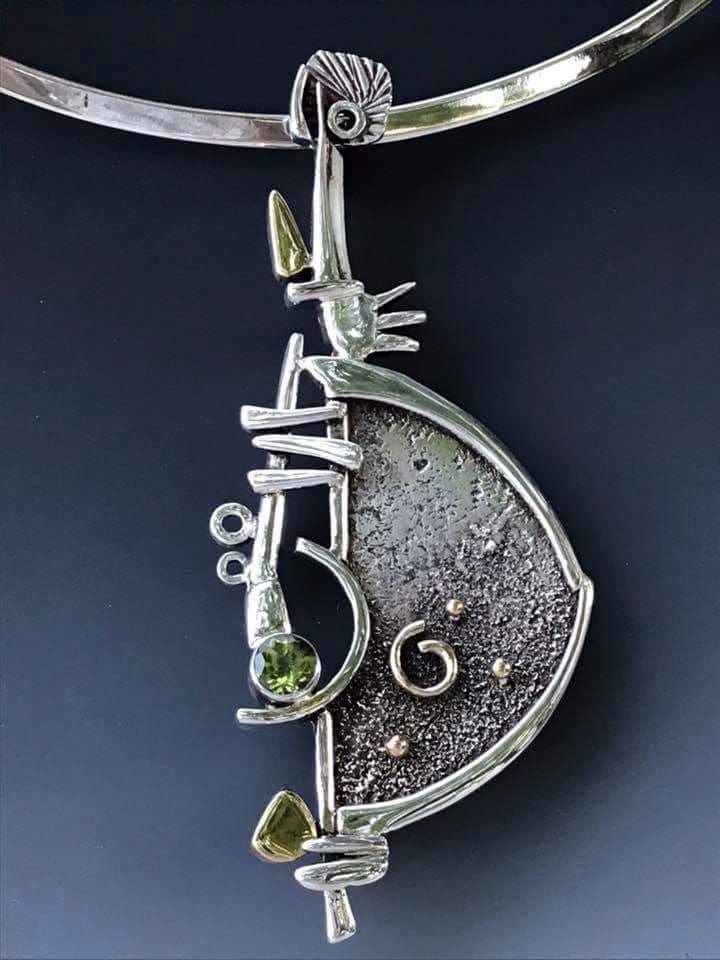
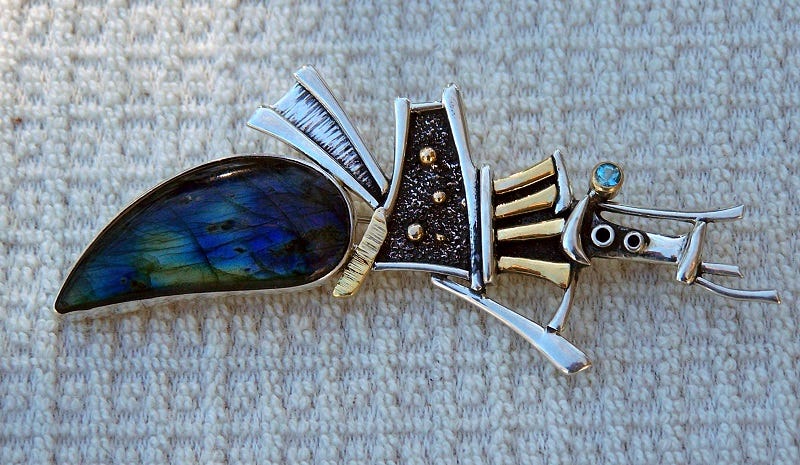
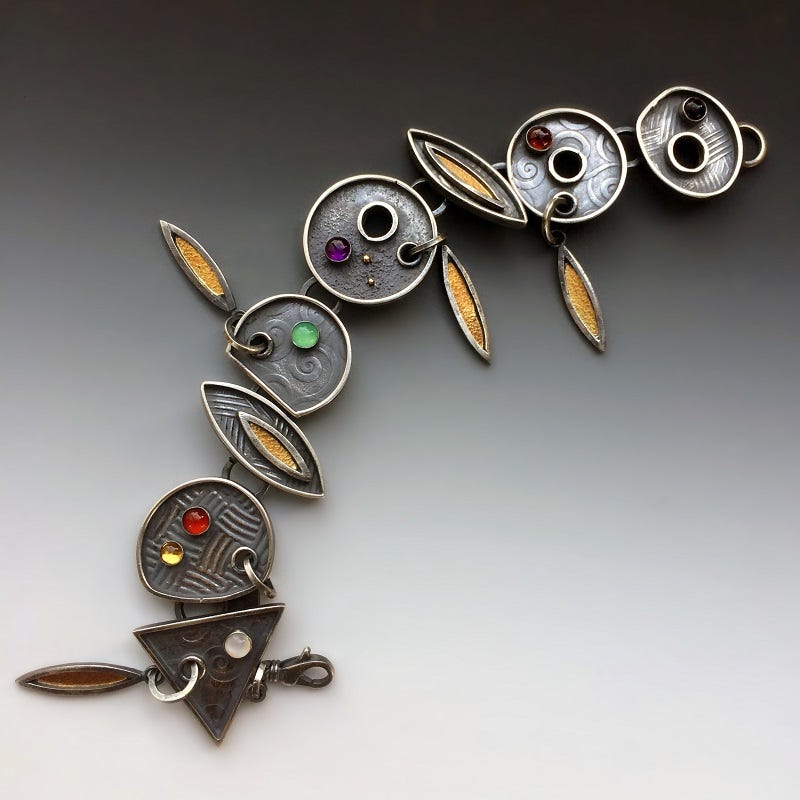
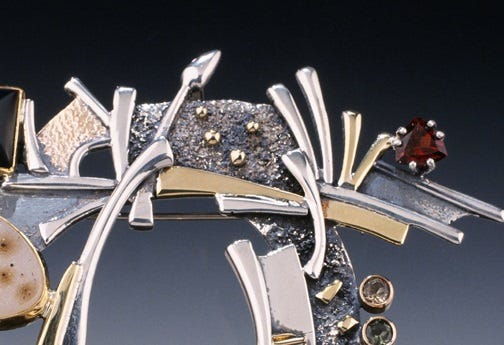
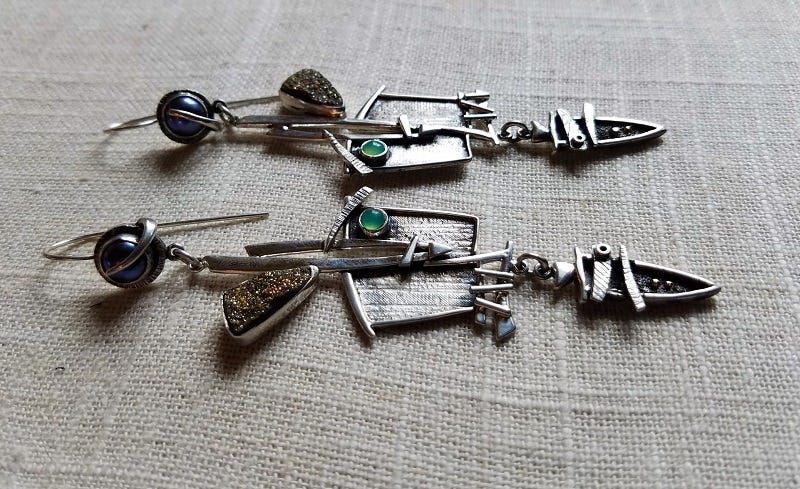
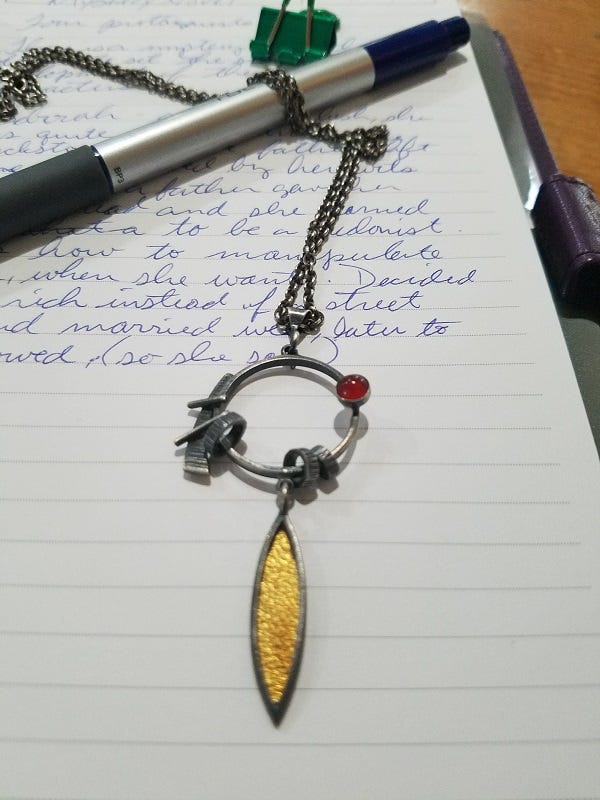
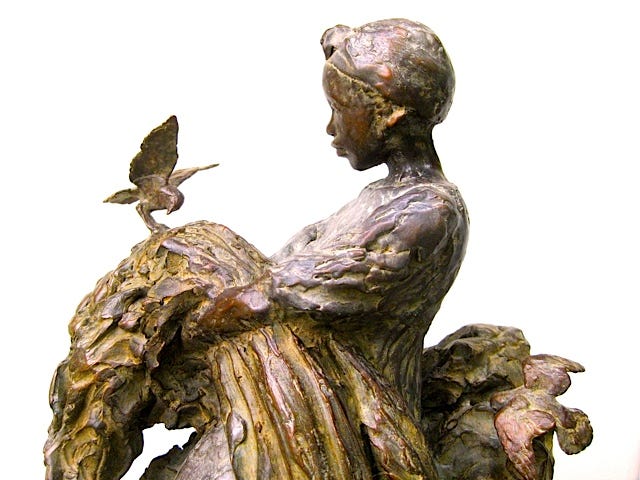
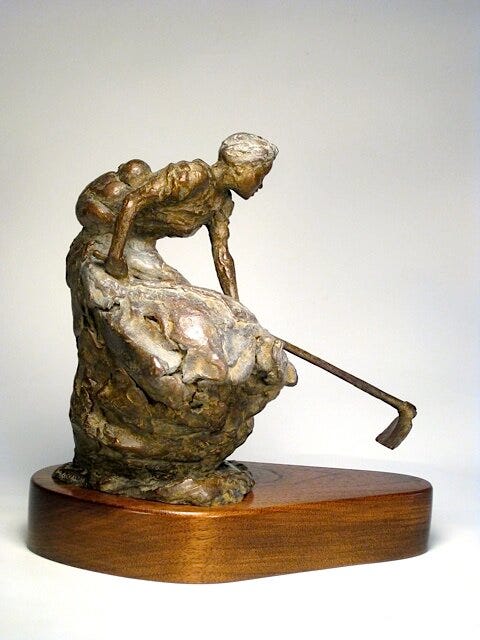
My friends are artists. Barry Perez makes jewelry, sculpted with gold and silver. Glo Coalson has beautiful bronzes with social and cultural importance, as well as small ceramic pigeons. In our house ceramic bowls, plates and platters fill the space to overflowing, along with coffee cups and hand-blown drinking glasses. That is a mark left on the world. Those tangible items will be around forever. People 100 years from now will look at a collection of Barry’s sculptured jewelry and wonder about the artisan that made them. Some of his pieces have an Asian feel, others look vaguely African, with horse hair incorporated. All of them have his signature style that really ties the whole collection together. His work is all over the U.S. and beyond.
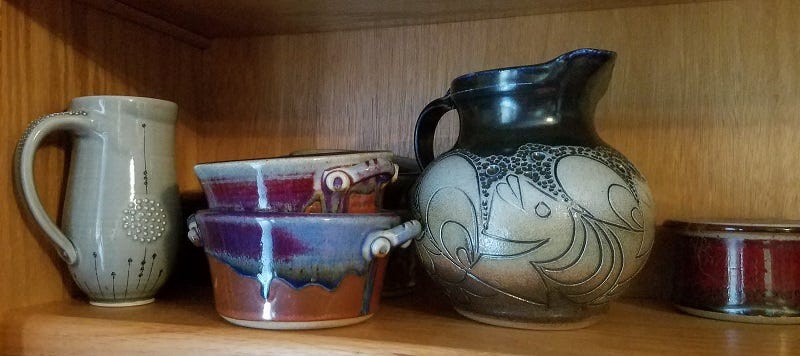
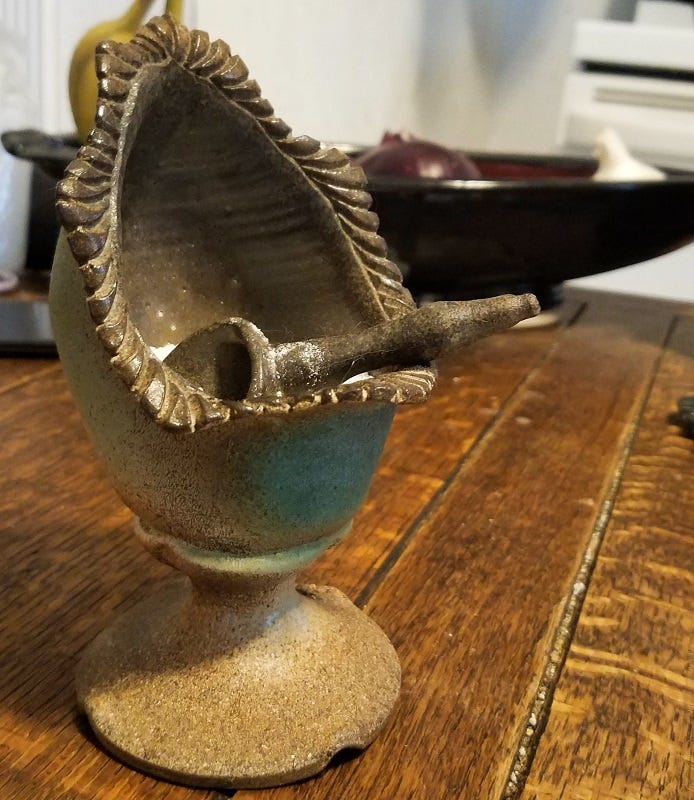
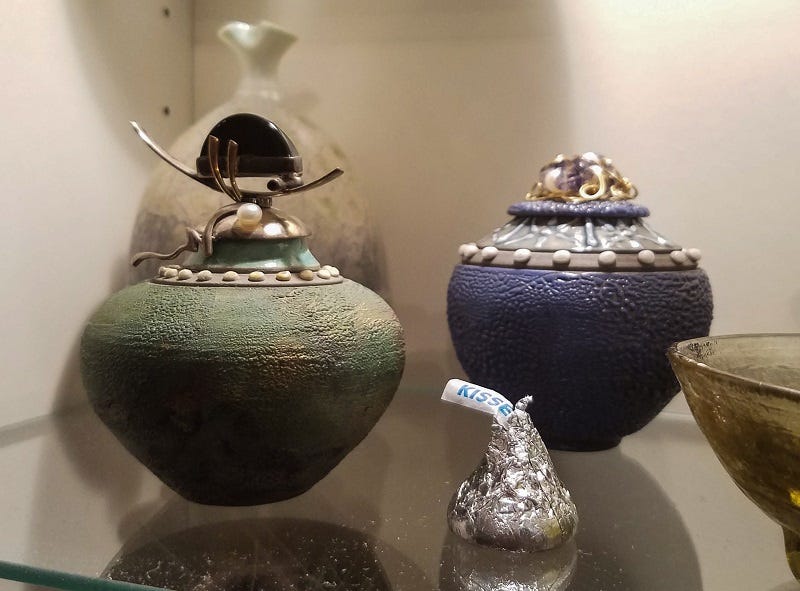
Our friend, Richella — may she rest in peace — still lives through her tiny raku pots, even while the last of her brood of cats grows old, sleeping on our dining room table eleven years after Richella passed away. Richella’s art has been collected all over the United States and other parts of the world. Her goal was to be in a show at the Smithsonian. After she mastered the technical aspect of pottery, she judged her craftsmanship and her designs based on whether they could be accepted at the Smithsonian. Not a bad aspiration, and she would have made it had she continued to live and produce work.
A Greek potter a few centuries before the common era (BCE or BC?) would have thought they were hot stuff because one of their decorated pots cost a day’s wages.¹ Imagine if they had known that 2000 years later their work would be sold for over $100K and be on display as an historic artifact. That person, whoever they are, has truly left their mark on the world, even if we don’t know their name.
¹ Mark Cartwright, “Ancient Greek Potter,” Ancient History Encyclopedia, March 16, 2018, https://www.ancient.eu/Greek_Pottery/.