
The Stanford Prison Experiment: Unveiling Human Psychology’s Dark Depths
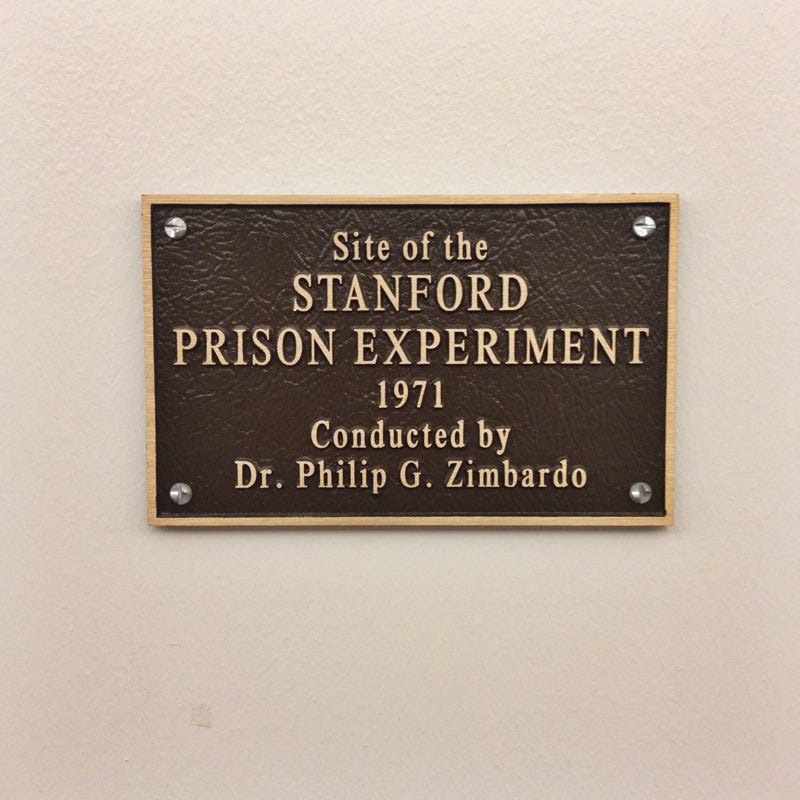
In the annals of psychological research, few experiments have generated as much controversy, debate, and fascination as the Stanford Prison Experiment conducted by Philip Zimbardo in 1971. This landmark study, designed to investigate the effects of perceived power and authority, ended up revealing the chilling and transformative potential within every human being. In this exploration, we delve into the depths of the Stanford Prison Experiment, examining its background, the shocking transformations of its participants, the ethical controversies it ignited, the lasting impact on psychology, and its relevance in today’s world.
I. Background of the Stanford Prison Experiment
To understand the significance of the Stanford Prison Experiment, one must first consider the historical context of the early 1970s. It was an era marked by social upheaval, where traditional norms and authority structures were being questioned. Zimbardo, a young and ambitious psychologist, sought to explore the psychological effects of perceived power. He designed an experiment that simulated a prison environment, randomly assigning college students as prisoners or guards.
II. The Experiment Unfolds: The Transformation of Participants
What transpired within the simulated prison walls was nothing short of astonishing. Within days, the college students playing the roles of guards began to display sadistic and abusive behaviors, while the prisoners became submissive and emotionally distressed. The experiment, which was intended to last two weeks, had to be terminated after only six days due to the extreme psychological trauma experienced by the participants. This rapid transformation underscored the profound influence of situational factors on human behavior.
III. Ethical Controversies Surrounding the Experiment
The Stanford Prison Experiment sparked a firestorm of ethical debates. Critics pointed to the lack of informed consent, the psychological harm inflicted on participants, and the absence of proper oversight. The ethical standards of the 1970s were markedly different from today’s stringent guidelines, highlighting the need for ethical considerations in psychological research. The study raised fundamental questions about the responsibilities of psychologists in protecting the well-being of their subjects.
IV. Impact and Lessons Learned
Despite its ethical controversies, the Stanford Prison Experiment left an indelible mark on the field of psychology. It shed light on the malleability of human behavior and the profound impact of authority figures on individuals’ actions. The study influenced subsequent research in areas such as obedience, conformity, and abusive power dynamics. Moreover, it emphasized the importance of ethical guidelines and informed consent in psychological studies, leading to more rigorous oversight in human research.
V. Real-World Applications and Relevance Today
The lessons of the Stanford Prison Experiment extend far beyond the confines of a simulated prison. Its findings are applicable to real-world situations, such as understanding the dynamics of abusive relationships, workplace bullying, and the behavior of individuals in positions of authority. The study’s relevance in contemporary contexts, including the abuse of power in political and social spheres, underscores the importance of its enduring lessons.
VI. Controversies and Debates
Even decades after its conclusion, the Stanford Prison Experiment continues to be a subject of intense debate within the psychological community. While some psychologists criticize its methodology and ethical shortcomings, others defend its contribution to the understanding of human behavior. The ongoing controversies highlight the complexity of ethical considerations in research and the need for ongoing discussions to shape the future of psychological studies.
Conclusion
The Stanford Prison Experiment remains a powerful and unsettling testament to the depths of human psychology. It forces us to confront uncomfortable truths about the potential for cruelty and submission within us all. As we reflect on this infamous study, we must use its lessons to advocate for rigorous ethical standards in psychological research and to cultivate a deeper understanding of the intricate interplay between human behavior and the environment. In the shadows of the Stanford Prison Experiment, we find not only a cautionary tale but also a call to ethical vigilance and a commitment to the responsible pursuit of knowledge about the complexities of the human mind.