
The Spotter Of The G Spot — Ernst Gräfenberg
Ernst Gräfenberg developed the first effective contraceptive for women during the Nazi era and also noted the G spot
It was the interwar period in the 1920s. Germany’s economy was in ruins as people stood in queues to collect their rations.
Abortion was generally banned, which forced women to have children from unplanned pregnancies. A Berlin gynecologist found an answer to the problem. It was the first mass market contraceptive, the G ring.
The Interwar Period

In 1920 the world reeled out of the Great War (World War I). The war devastated the life of many people across the globe, especially in Germany. The German economy entered a depression, and the Weimer Republic government tried to prevent a crash.
The economic situation and the inflation made the lives of German citizens miserable. It was becoming challenging to feed a family. During this period German government didn’t publicize mass contraceptives, so women cant avoid pregnancy.
Condoms were available for men, but most men ignored them, and the failure rate of condoms was high. The medical community turned its attention to women and started to develop effective contraceptive methods for them.
Ernst Gräfenberg
Ernst Gräfenberg was born in 1881. He was a famous Jewish gynecologist who had clients ranging from movie stars to homemakers. He was consulting them on venereal diseases.
Also, Gräfenberg saw many botched abortions which were life-threatening. Many women wanted to abort their pregnancies, but medical advancements were unavailable to all classes of society.
Quack abortion techniques led to the death of many women. Gräfenberg analyzed the situation and wanted to provide a practical solution that didn’t threaten women’s health.
The IUD

Gräfenberg found that placing a foreign object near the Uterus entrance would induce an inflammation that would stop the egg from implanting in the uterus.
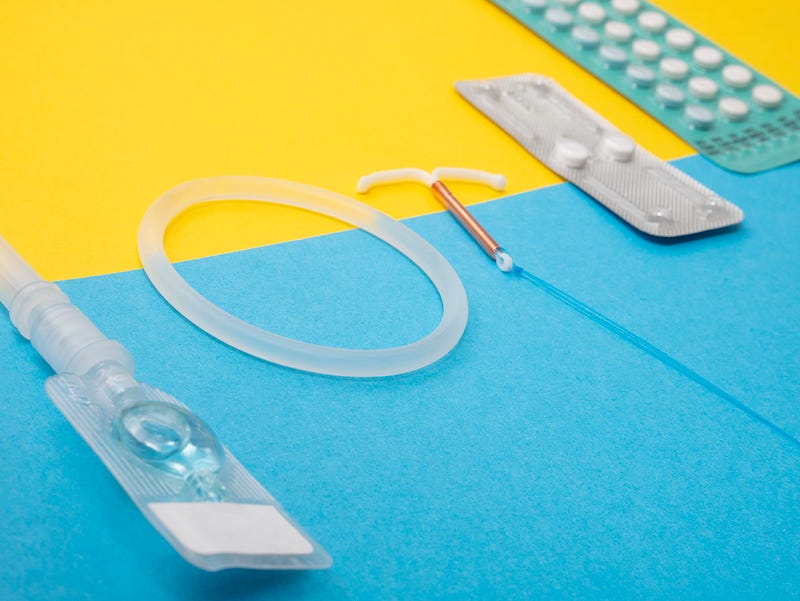
He created a star-shaped structure with silkworm thread and wound it on a thin silver coil. The star shape caused bleeding in some women and even fell off.
Gräfenberg then tried the round shape and this time used only silver coil. The experiment was successful, with only a few failure cases due to improper implant. Gräfenberg discovered the first IUD or Intrauterine Device.
Arrest

The international medical community was cautious about accepting the Gräfenberg ring. They were skeptical about placing a foreign body inside a woman and speculated it might infect the region.
Gräfenberg pushed on his idea through international papers and conferences. As his ring received attention the Nazis came to power. Hitler, with his anti-Semitic beliefs, ordered the arrest of many Jewish doctors.
Many people advised Gräfenberg to emigrate to the USA, but he refused. He ran his clinic in Berlin. Meanwhile, his wife divorced him. Gräfenberg thought that the Nazis wouldn’t arrest him as many of his notable clients were wives of high-ranking Nazi officials.
The Nazis shattered Gräfenberg’s belief when in 1937, they arrested him for selling German currency to a foreigner. A German court ordered him three years in jail and a hefty fine. Gräfenberg’s clinic was stolen from him.
Gräfenberg sold his properties to pay the fine. Luckily the prison warden’s wife was his patient, so Gräfenberg received a modest treatment in prison. In 1940, due to intervention and bribes, Gräfenberg was released from jail, and he decided to emigrate to the USA.
He restarted his career as a gynecologist in the USA and received a lukewarm response. He died in 1957 and promoted his ring until his last breath.
Recognition

After several experiments G ring proved to be an effective contraceptive for women. It was approved by the United Nations for usage in underdeveloped countries for women’s empowerment.
Gräfenberg, in his papers, reported on a spot in the vagina that could stimulate pleasure in women. Later, researchers coined Gräfenberg’s name to the spot. It is now widely called the G spot, and it’s a multimillion-dollar business.