The Sounds of Spring Cleaning
And what I learned from a sloppy gardening crew
The work crew arrived at my door while I was on the phone with another Medium peep. I handed a note through, which read:
START WITH THE LEAVES
The man read it, nodded, and disappeared.
My front and back yard still have lots of leaf layers from last year, my neighbor’s fall bounty that blew over to my place while I was out of the country. Left to its own devices, that thick, damp leaf cover can choke the early growth. I’ve had some challenges tracking down people who can do the work. My normal provider (the crew that’s noisily blowing the leaves out right now)had gone silent, and wasn’t responsive to my calls and emails. Happily they finally did, but not before this incident.
My house is ready to sell, and as the sun brightens and warms, curb appeal is really important. Much of what has to be done takes equipment I don’t possess, although I’ve been out doing a lot of things by hand already. Not very well, mind you. I love getting my hands dirty but now a lot more is at stake. This house has to shine for a prospective new buyer.
When the team arrived yesterday, careful and clear directions had been given: ONLY the front and back yard. ONLY leaves, and mulch, and remove two dead bushes. At least three times, to the same folks. Front and back only, leaves and dead bushes. Mulch front and back. Nothing else.
I finished my phone call, donned a mask and went to find the crew.
Nowhere out front.
Nowhere out back.
I found them merrily ripping out all my spring poppies, my beloved bright orange harbingers of spring, and raking apart the delicate succulents that had cost me a fortune in time and money into a heap of dying green.
To say the least, seeing my gorgeous poppies reduced to mulch didn’t just shock me.
I was apoplectic.
How does “start with the leaves” — front and back yard only- get translated to “rip out the entire garden on the south side of the house?”
I was heartbroken as well as livid.There was nothing to be done for my dead poppies or the delicate succulents that had finally taken root and begun to thrive in the bright southern sun. Growing and living things to me are whos not whats, and after all that work, like better gardeners than I am (that would be everyone), these were my kids. They’d been summarily executed.
I won’t quote what I said here. I told them to get away from my shredded garden, my beloved paradise on the south side, and called my real estate agent, whose team this was.
Suffice it to say she was shocked, as was the woman who normally runs the crew, who was home ill. She was also pretty angry. She now has to buy new plants, mulch, and show up tomorrow to repair what she can.
Shit happens, man. However, having been given the grace of watching spring land in my beloved garden one last time, it’s fair to say I wasn’t planning on watching some of my favorite blooms ripped out by the roots.
But here’s the piece. This house hasn’t been my home since I started packing up in February 2019. I’d already decided to let it go. The Goddess has her own ideas about how to get me out of here, as I have written elsewhere.Then we got shunted into lock down, and like everyone else, I’ve been here waiting out the spring. Packing, working, biding my time.
Meanwhile, I found a house I like, where I like, albeit I’m in line behind two other offers. So of course having made an offer after a right snow flurry of paperwork, this place has to be gussied up for guests. Even if they are virtual.
So while those poppies were mine, no. They aren’t now (okay, well, they’re dead now). While I adore my great messy tangle of a yard full of ivy and volunteer trees of dubious heritage, others likely won’t. People really like civilized.
I don’t. Which is one reason I am leaving this increasingly cosmopolitan, all-too-popular city and state. The wilder it is the better I like it. I don’t belong here. Inconvenient Nature is where I belong and where I thrive.
In every way, as I have finally come to accept, the southern garden, which disappears under umpteen layers of cool, dense vines to keep the heat down in July, will likely terrify a newcomer. Someone who sees all that tangled green wonderfulness, the creeping Columbine, will run for a safer burb. Too much work. Too…out of control.
My garden has to be gentrified. Nature must be tamed so that the new owners feel safe.
Like the rest of Denver has been.
In fact, these pretty much represent how I feel about what happened to Denver in the last few years.
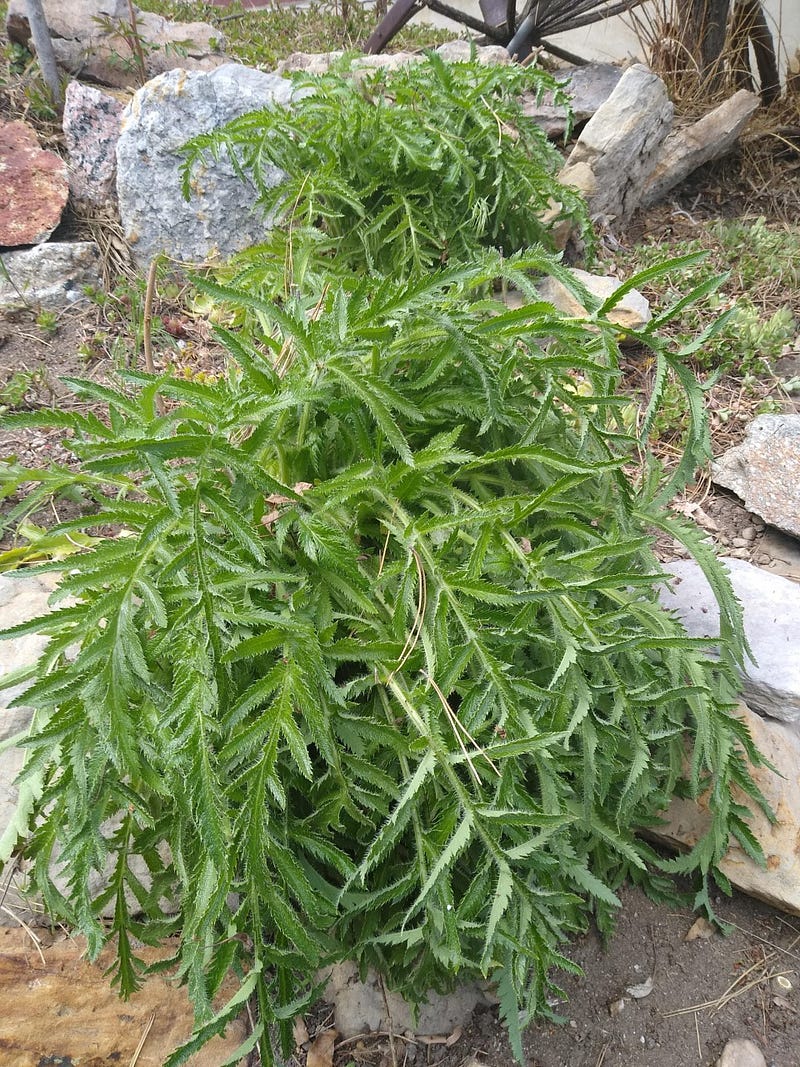
My poppies before:
And after:
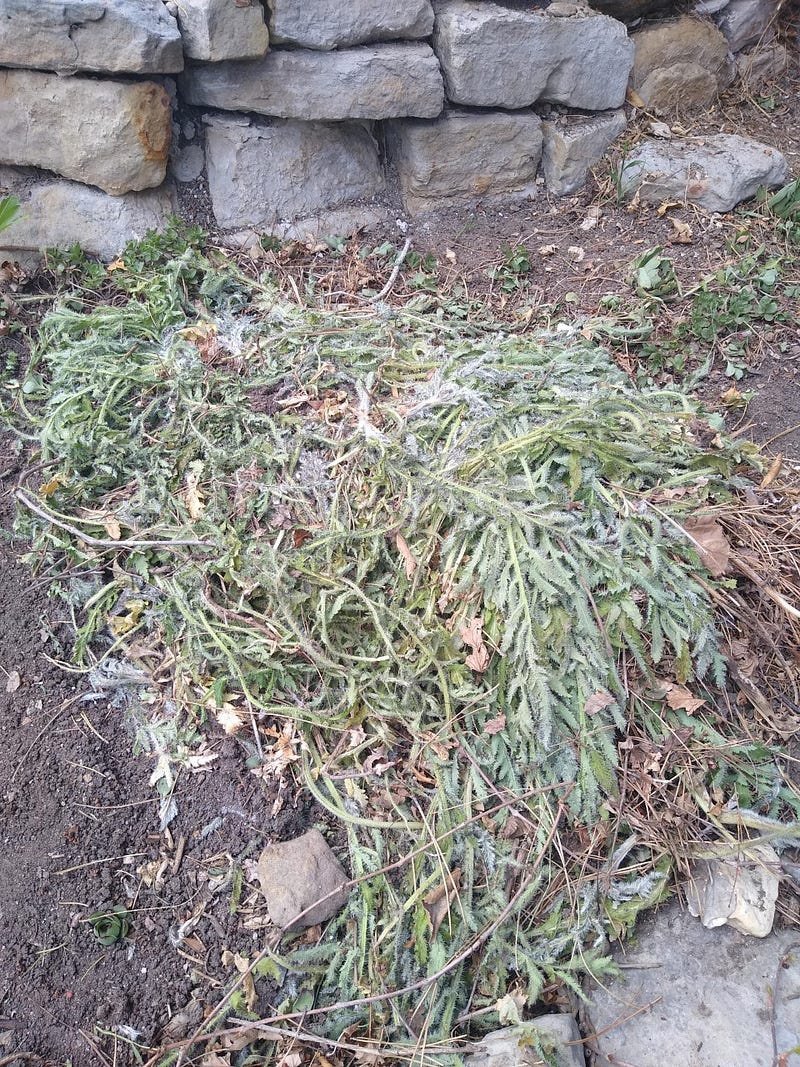
Like the gorgeous, ready-to-explode poppies that have for many years waved their bright orange heads in a sun salutation every spring, for my part I felt the same about many of Denver’s most interesting neighborhoods which offered us ethnic variety, ethnic food, interesting houses and people and cultures.
Mowed down with the same sensitivity and respect as that crew ripped out my poppies.
I could go big with this, but you got the point. I am so done with fucking developers and speculators and the uber-rich ripping out what is beautiful and interesting in order to install bland, vague designs for people with no attachments to pay fourteen times the mortgage, forcing out more neighbors in an ever-increasing, cancerous spread. Deadly boring, treeless and shrubless neighborhoods chewing up once beautiful green hills to the west of our highway 93 to Boulder, where cows and elk shared the grass.
Please don’t write me that well, it’s happening here too. Look. I’ve traveled to 48 states. Forty seven countries and counting. You think I don’t see it absolutely everywhere? Every nation is seeing this. Every neighborhood.
I cannot, will not be so stupid as to opine about a potential re-set. My guess is that those same speculators are slavering all over themselves, champing at the bit to scoop up thousands of foreclosed homes because of our Conditions. Landlords who couldn’t pay the mortgage on reasonably priced housing because their renters couldn’t pay the rent. And I would bet nobody will do anything about it either, because those who get victimized by such things don’t matter. Right? People of color, people of different cultures, immigrants, folks who live on the edge as it is, folks who couldn’t make the rent even before the Conditions, folks that don’t matter, right?
Folks who pack and stack our groceries and deliver our goods and our mail and who ensure that the VA can still deliver my meds? Hell, those folks don’t matter. Not as much as the folks who can pony up $1.2 m for a house that fifteen years ago barely topped $185k.
You will, I hope, pardon my sarcasm.
As I ponder my dead poppies, I consider stupidity and carelessness on the micro scale. You cannot but wonder at how we have come to where we are today on the macro scale. What happened to my poppies is no different from what has happened all over the rest of the world where we have placed our jack-booted foot on the neck of Nature. Deemed her and her animals and her wildness threatening and inconvenient and needing to be tamed.
The way too much of the world treats all women, for that matter.
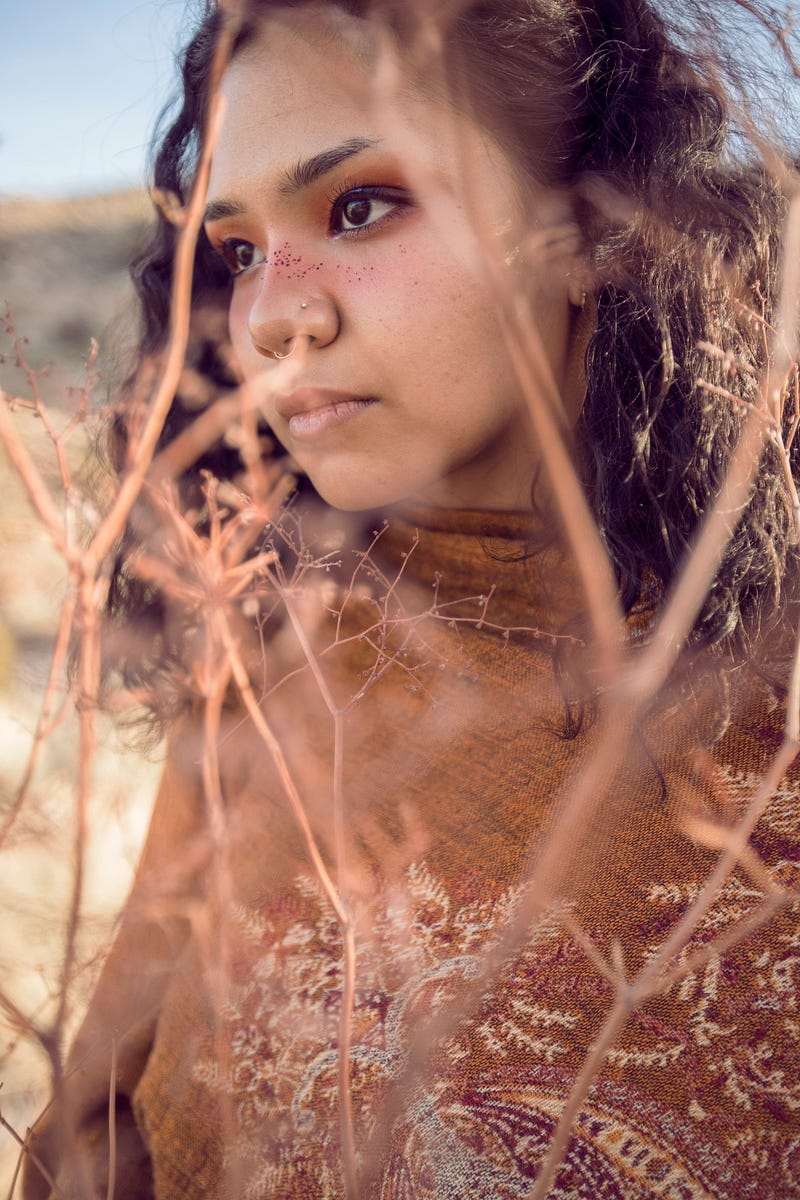
I will move. I will find a house. I will live out my last decades, if I am so fortunate, in a wild place, riding wild horses, getting wilder by the moment. I hope I die with my long grey hair in a tangle, strewn with the sparkling leaves of fall and surrounded by the creatures I love, some of whom might do me the great justice of allowing my body to feed them. The rest of me, I pray to relax into the earth, and there, to feed the wild poppies.