
Poetry | Trauma
The Sound of Stories
Of the lives that are yet to be
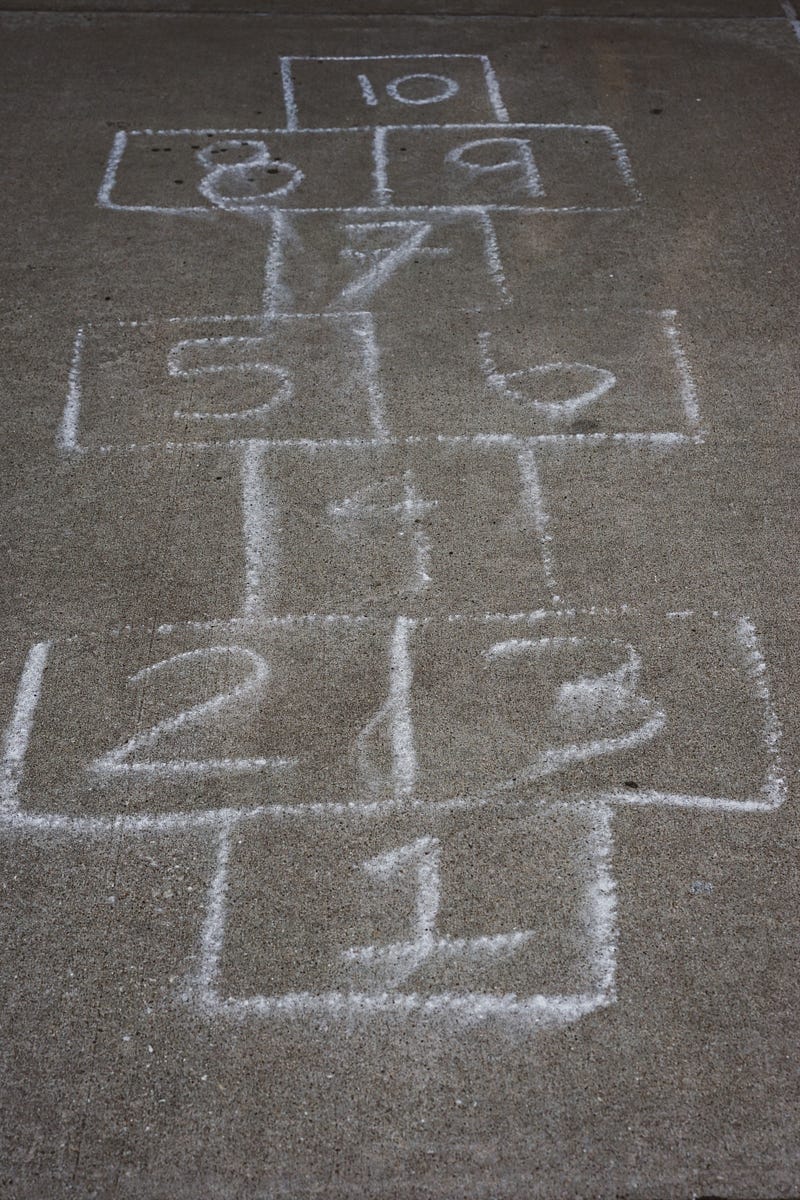
As I melt into the stool into the stool on the ground on the ground in the garden in the garden in my head in my head in the garden in the world out there the world out there in here in here out there,
everything in focus in focus out of focus out of focus and more blurred more blurred and less clear less clear but clearer clearer and less clear less clear but more understanding more understanding as I melt as I melt into the depths of my mind into the abyss that joins the two worlds
the two worlds out there and in here in here and out there the two worlds are in here and I hear them in here in here I hear them from out there I hear the sounds of the children the sounds of the children are in here and I hear the children from out there the children I hear in here from out there
their stories in the sounds in the sounds and the shouts the shouts and the sounds and the screams and the shouts their happy voices voices so happy full of energy and joy joyful voices and lots of energy in the sounds of their stories and the stories in their sounds and shouts and stories that have yet to unfold to be told not told and yet to unfold
some of them are doctors they’re doctors and soldiers soldiers and writers writers and teachers doctors, soldiers, writers, teachers and teachers and artists artists and singers and singers and poets with wives and husbands they’re adults with love lives and lives full of life stuff the stuff of life
some sick and some healthy they’re healthy and they’re sick they’re sick and some rich some rich and many poor many poor and some happy so happy and so poor or poor and unhappy and unhappy and in prison in prison or in mansions in mansions or small flats life’s like that
those voices and those stories the stories in the voices the voices and stories form a chorus a chorus of happy energy happy energy full of stories stories of happiness happiness and sadness sadness and joy joy and pain and death
some of them are dead.
I didn’t feel like leaving it there. That would seem like entering your life, smacking you in the mouth, spitting on your dinner, and walking away in silence.
The sound of children playing in the schoolyard conjures many other associations — the sounds of the lawn mowers in the spring and summer, school teachers blowing whistles or shouting out instructions, childhood memories, and more than anything else, hope and optimism.
The children of today are the adults of tomorrow, and every parent dotes on their children and wishes the best for them, and we think of them almost as immortal because we expect them to outlive us. Except that some of them don’t. Some of them don’t outlive their parents.
Sometimes when I meditate in the garden, it coincides with playtime at the local primary school, and I hear the happy screams, shouts, and noises of the young children. But the sound has changed. It has changed forever. It’s like not being able to suspend disbelief for the sake of a good movie. Once you’ve reached that point where, because of a terrible script, wooden acting, appalling special effects or your state of mind, you can’t escape from the reality of sitting in your living room with a screen in front of you knowing that you’re only watching a movie, there’s no going back. You can’t unknow it. You’re not going to get lost in that film.
And so it is that when I blend into my surroundings, somehow acting as a gateway between the outside world and the abyss of my inner world, I can’t unknow what I know — that the lives of those children are not all perfect.
Writing this poem didn’t feel like a big deal to me. When I first became aware of this altered perspective, it felt like something I had to at least write about but probably express as a poem. Even when I started it, it wasn’t difficult. As I approached the ending, as I got closer to the point, that’s when it jogged my body’s memory. That’s when the tears came.
People say they can’t imagine what it is like to lose a child, but before it happened to me, I’d probably say the same thing while “imagining” something about what it would be like. It’s human nature, isn’t it? Especially for empathic people. We want to understand how others feel. I do.
Now that I am on the other side of that equation, I realise that it is unimaginable, but it is also unimaginably unimaginable. I don’t think I could ever have written this poem until I had walked through that gateway, the one I didn’t ask for.
Thanks for reading.
British writer