
The Sketchy Truth To Glyphosate
Agrochemical company uses this cancer-inducing toxin and responds with $10 billion to silence lawsuits
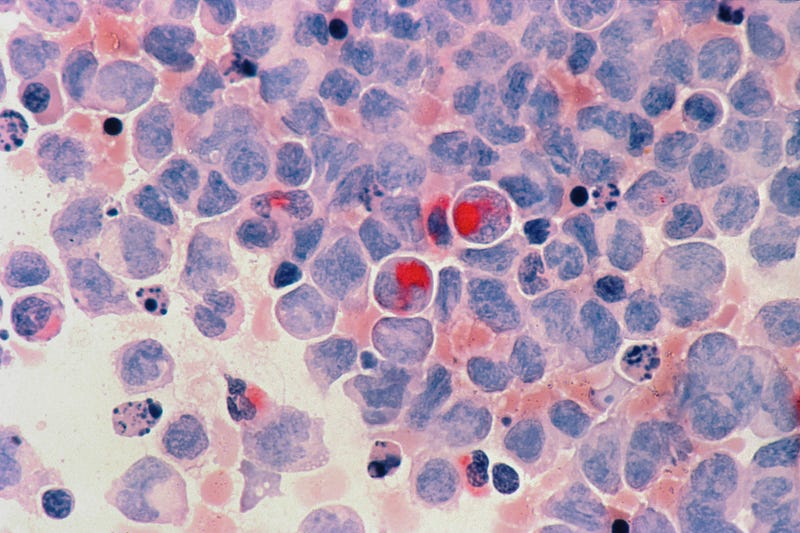
The most common herbicide used worldwide is glyphosate, usually marketed as RoundUp. Glyphosate is extremely cost-effective for farmers. It controls weeds and unwanted grass efficiently.
It’s no wonder how it gained widespread popularity.
Some Background
Chemist John E. Franz invented glyphosate while working at Monsanto, an agrochemical company. Monsanto is currently owned by Bayer, a German pharmaceutical and life sciences company.
Interesting. Food & Pharmaceuticals combined, once again.
In March 2015, the International Agency for Research on Cancer reviewed over 1,000 studies regarding glyphosate’s potential to cause cancer. They concluded glyphosate is “probably carcinogenic to humans” and proved to cause cancer in animals.
Since then, Monsanto/Bayer received nearly 100,000 lawsuits alleging the glyphosate in RoundUp causes cancer. In 2012, a French court said Monsanto was guilty of poisoning Farmer Paul François.
In 2020, Monsanto/Bayer agreed to pay $10 billion to settle lawsuits and put an end to their legal claims surrounding RoundUp.
Instead of finding a safe alternative, they used money to silence those affected.
People who were or are medically affected by glyphosate can seriously use that settlement money too; they have thousands of dollars in hospital bills and cancer treatment they must pay for.
When I first began this article, I planned to solely focus on glyphosate. But after some in-depth research down the rabbit hole, I found Monsanto is an overall disturbing company.
A few articles that sparked my cause for concern:
Even further down the rabbit hole, some articles claim Monsanto owns a large share of nearly all the big food companies…
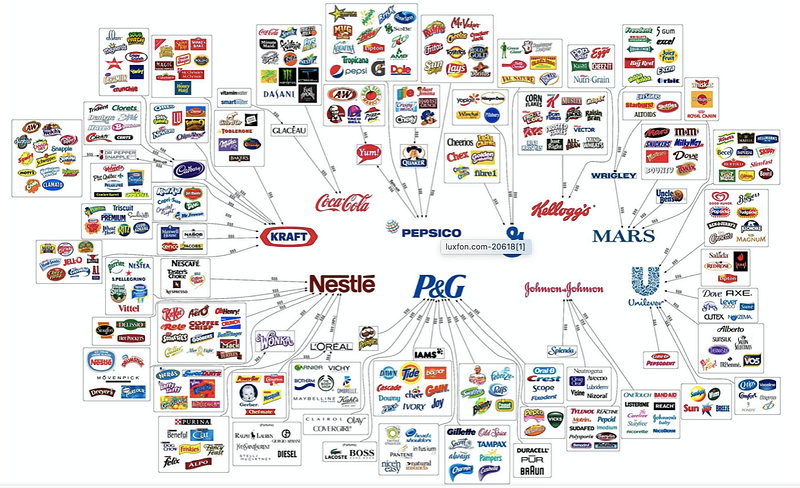
Even though Monsanto is trying to go unnoticed, we must demand the truth.
Their money does not surpass our health.
A tiny warning label does not justify this toxin being on store shelves.
The Environmental Working Group has several petitions on their website in hopes of eliminating various additives. Click the link below to sign their petition to get glyphosate out of our food! Together, we can be heard.
If you or someone you know has been affected by glyphosate exposure and developed lymphoma as a result, consider filing a lawsuit. There are several websites for plaintiffs to qualify for the RoundUp settlement:
In the meantime, you can avoid glyphosate in produce by buying organic or soaking your fruits and vegetables in 4-parts water to 1-part vinegar for 20 minutes. I plan to write more about avoiding glyphosate in other food products in the future.
Thank you for taking the time to read my article. Educating ourselves is the first step in raising awareness for this problem. If you enjoy articles about self-improvement, consider signing up for a Medium membership to help support my writing. For $5 a month, you will gain unlimited access to articles written by amazing writers.
Note: I am not a medical professional nor am I giving out medical advice. This information is gathered through my own, independent research with the intention to spread awareness of this unethical practice.


