
The Skeleton Lake of Himalaya(Roop Kund)
First discovery
1942, India still was under British rule. Nanda Devi game reserve ranger Hari Kishan Madhwal was trekking in valleys of Himalaya as per his duty schedule. It was summer.
A Himalayan lake was falling under his jurisdiction”Roopkund”. Like the previous year, he reached the lake this year with all his companions. But this year a surprise was waiting for him.
Location
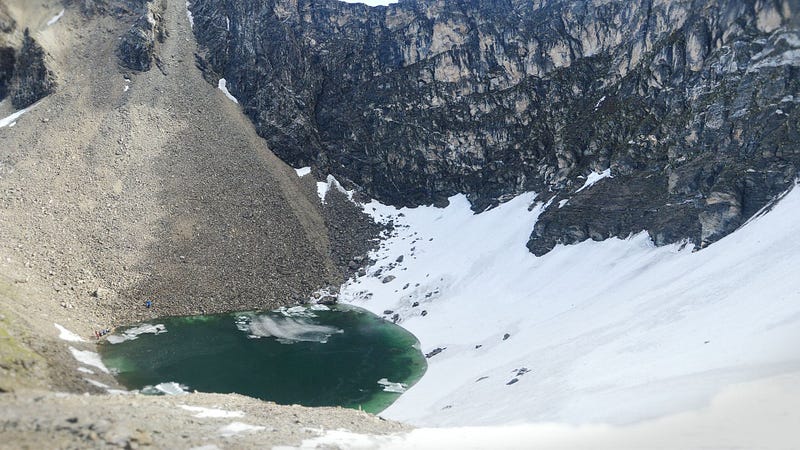
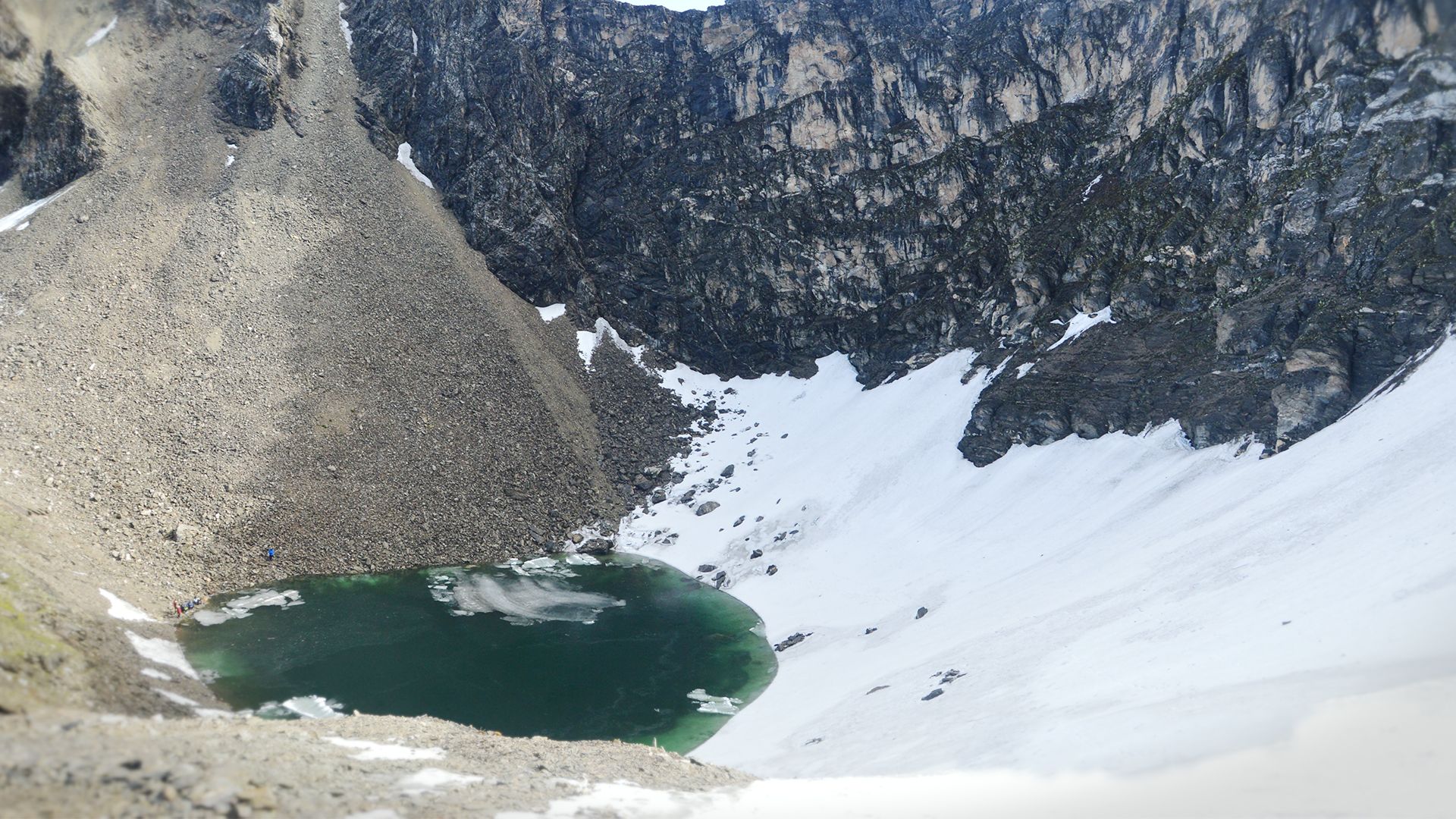
Roopkund is located at an altitude of 16470 feet (5020 m) in Himalaya. It remains under freezing temperature except for summer. Presently it in the Uttarakhand state of India. It lies in the lap of Trishul massif surrounded by rock-strewn glaciers and snow-clad mountains.
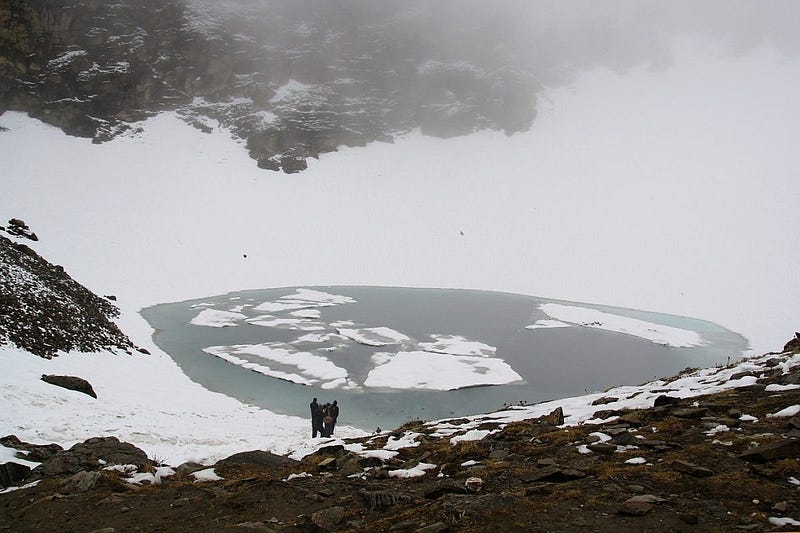

So he might don’t notice this last year. Skeletons of many people can be seen under the clear water of the lake. How they come? Coming down from that he revels all those to his British ruler.
Primary Investigation
British became worried. It seems to the British that those skeletons were of some Japanese soldiers of the Second World War era. Those soldiers might try to invade from that area of Himalayas.
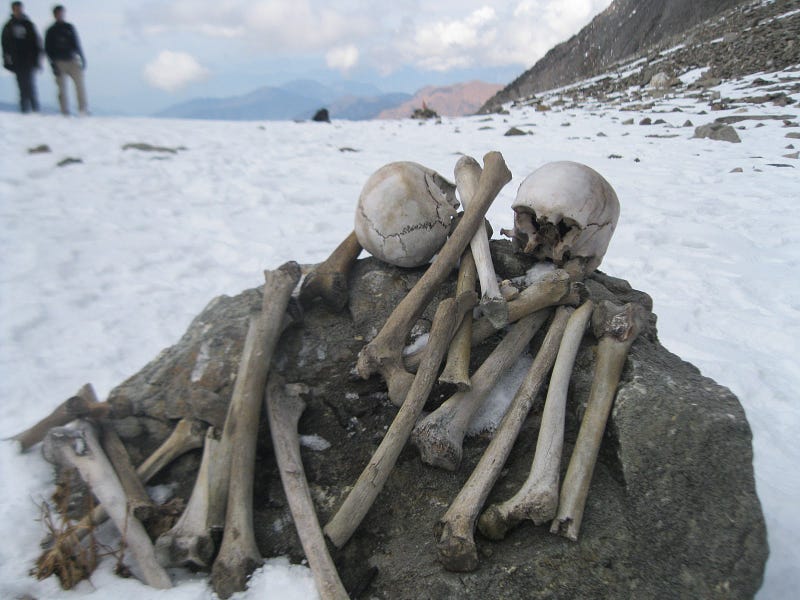

It was alarming for the British. They start to investigate these skeletons. But some preliminary investigation it was proved that these skeletons were much older than Second World Wartime.
After investigating it was found that the numbers of skeletons were coming from more than two hundred humans of different ages and far older than second world wartime.. That includes man, woman and children with good health.
Mysteries Continues
The mystery continues. Different opinions started coming up about for those skeletons.
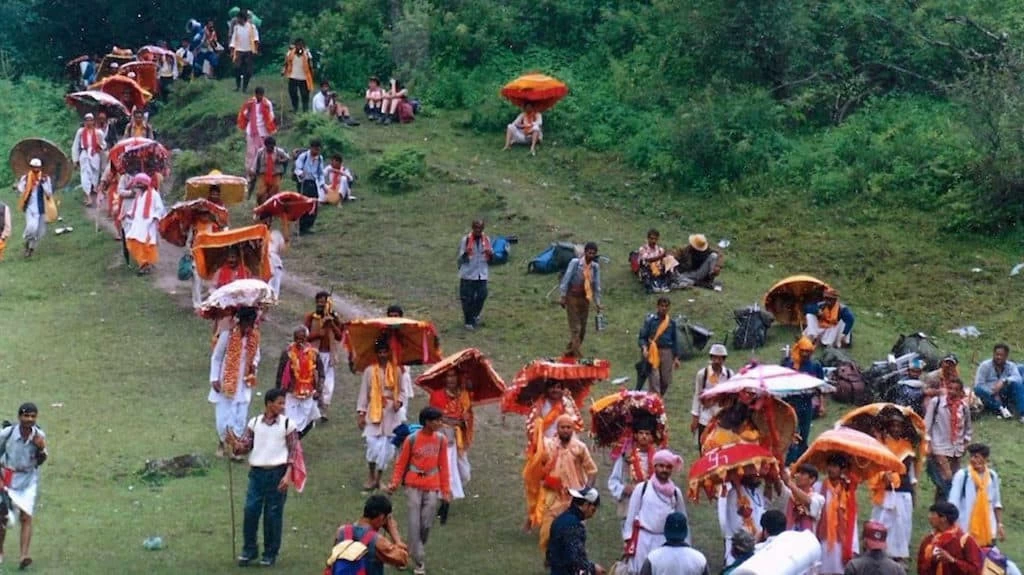
A popular story told that the king of ancient Indian state Kanauj, Raja Jasadhaval with his pregnant wife Rani Balampa, their servants went to pilgrims to Nanda Devi. This group faced a storm of the hailstone. This storm of hailstone caused the death of all. Their bodies were remains there at the lake.
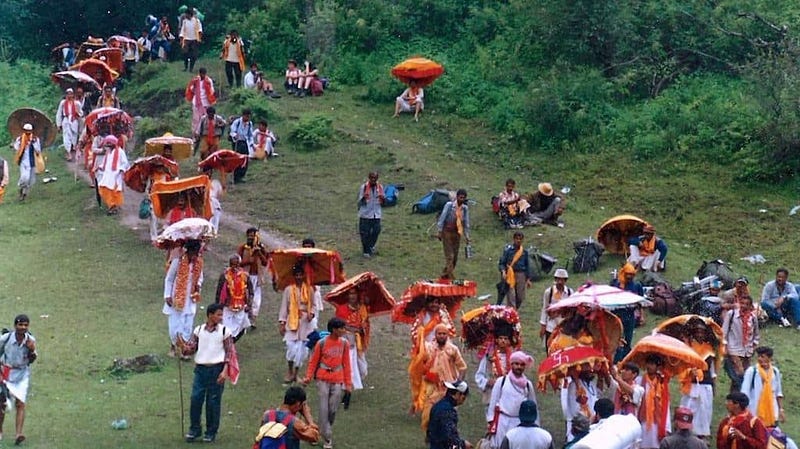
The second story comes with this fact that the skulls were of General Zorawar Singh of Kashmir and his men, who had got lost and died in the middle of the Himalayan region after they got caught in bad weather while returning from the battle of Tibet in 1841. Or it could have been an epidemic or a suicide ritual performed near the lake.
Advanced Investigation Start
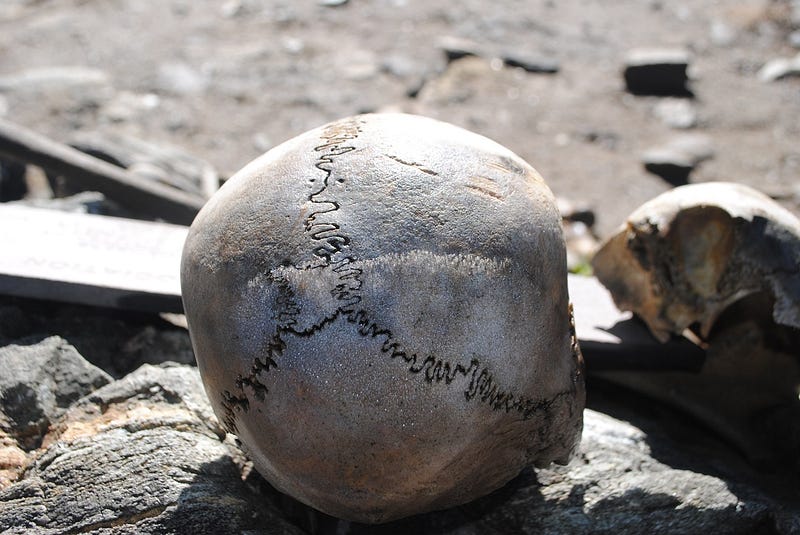
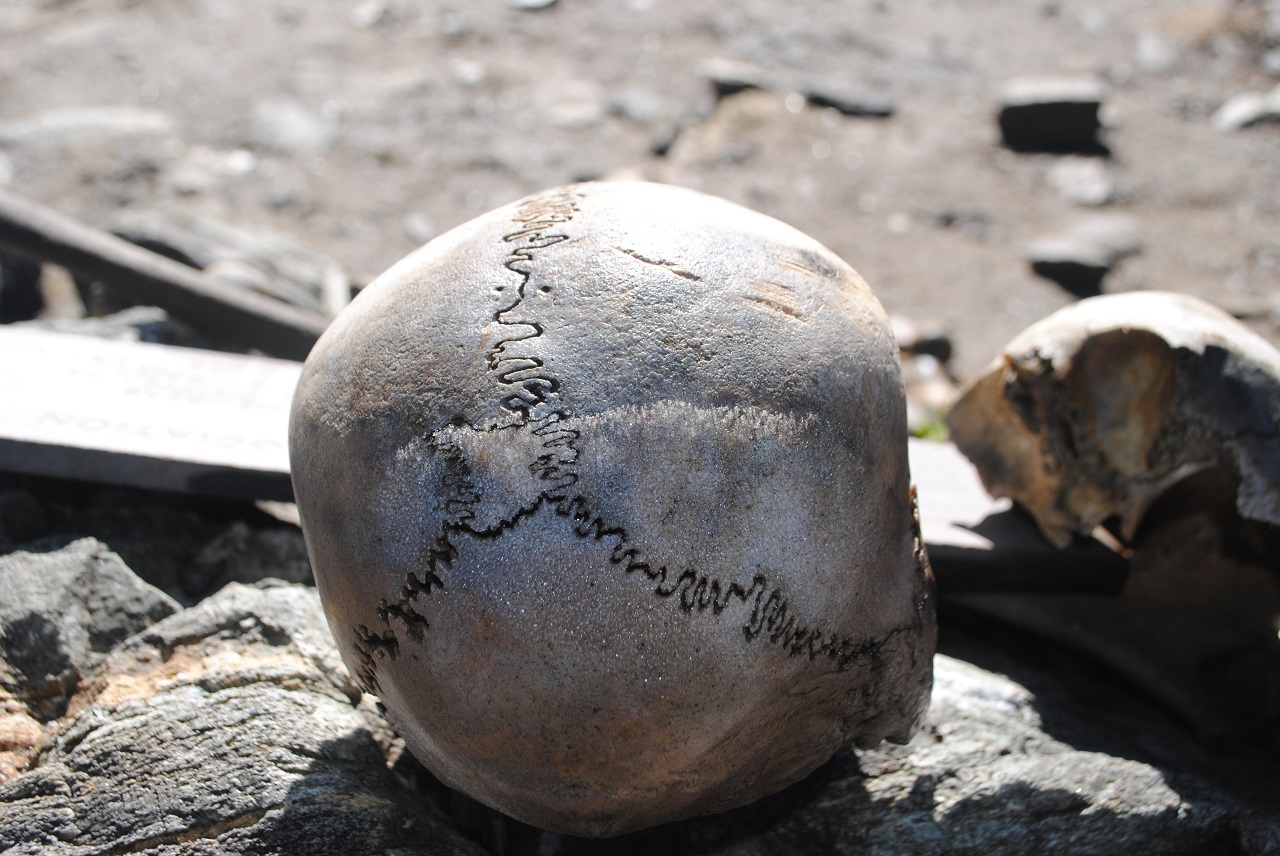
The bones of skeletons have signs of trauma consists of being hit by round objects. But no weapons found. The bits of religious jewellry and clothing were found with those skeletons.
DNA Test And Carbon Dating
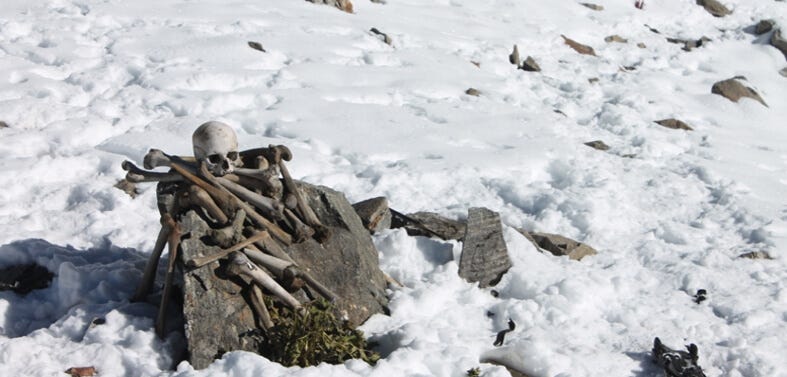
But no one can conclude these mysteries. With the new improvement of science, anthropologist tries to crack the mystery with DNA and carbon dating. A total of 38 skeletons DNA were taken to the laboratory for advances testing.
The Shocking Results
The result was shocking. It shows that they were coming from three genetically distinct groups. 23 skeletons have a very fair match with present days Indian peoples.01 number of skeletons matched with the people of South-East Asia. The rest 14 skeletons had eastern Mediterranean origins.
The result of carbon dating concludes with those skeletons from South East ancestry having a variety of dates varying from 7th and 10th century. The Mediterranean origins in the 18th century.
Primary Conclusion
So it is proved that those people didn’t dire in a single occurrence. They died in multiple incidents occurring approximately 1,000 years apart. But it is cleared that they die due to a fatal blow on the back of their heads and not due to any wound by weapons, avalanche or landslide.
The marks on their skulls and shoulders indicated at being hit by something round, like a cricket ball. The absence of injuries to other body parts indicated that hard round objects, possibly cricket ball-sized hailstones or ice balls fell from above.
Mysteries Still Continuing
Ultimately there is no conclusive evidence how the skeletons of Roopkund came to be. Every year with the arriving of spring the frozen lake melts once again but not the origins and reasons of their death. For till now, the mystery of the Skelton Lake (RoopKund) prevails.