
The Single Best Piece of Health Advice I’ve Received and Adopted This Year
Shockingly simple, free, and effective
I’ve come across my share of health claims in twenty years of clinical practice. Health hacks are a dime a dozen, and these days, just about anyone who’s read an article, listened to a podcast, or watched a documentary fancies themselves an expert.
When someone immersed in the field of health and wellness praises a particular practice, I take notice.
Dr. Andrew Huberman is a professor of neurology and ophthalmology at Stanford University. His lab and podcast are a master class in all things health related. His mission; provide the public with simple tools to improve their lives.
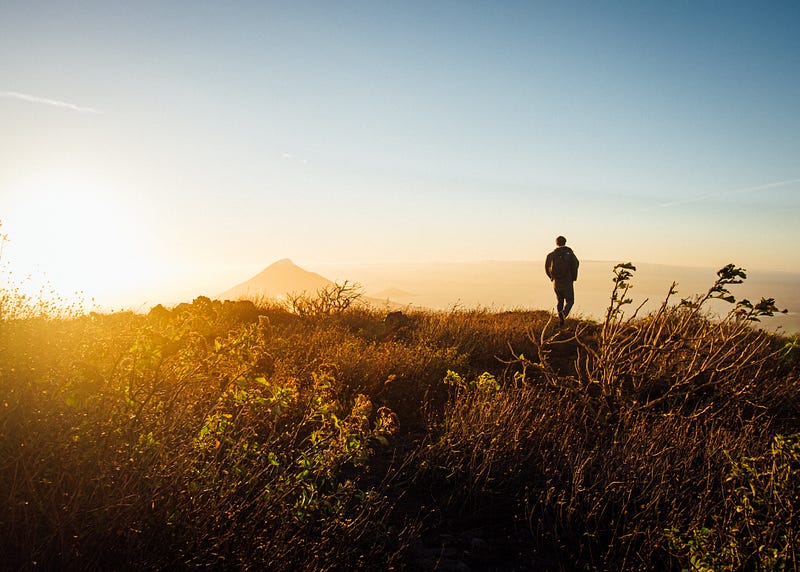
One practice Huberman mentions on nearly every podcast, involves viewing natural light as close to waking as possible. ‘I sound like a broken record’, he’ll often profess, ‘but viewing natural light within an hour of waking, as close to sunrise as possible, for two to ten minutes, can have a measurable impact on our health.’
Without being too technical, the practice of viewing natural light in the morning sets off a timer — circadian clock — which schedules the release of hormones like cortisol early in the day, as well as melatonin in the evening.
Disruption of this mechanism can affect metabolism, mood, as well as energy.
Since adopting this one practice, I’ve noticed tremendous health benefits. I’ve changed nothing this year, with the exception of going outside for a five minute walk, within a half hour of waking. I feel more energized throughout the day, avoiding that late afternoon dip, and I’m sleeping better.
Huberman recommends light exposure without sunglasses, or through windows, provided it’s comfortable and not painful of course. Plese, don’t look directly at the sun, he emphasizes, you don’t want to injure your eyes.
He also discusses viewing natural light around sunset, as well as avoiding artificial light as the evening progresses.
While it may not always be easy, avoid watching television, checking your phone, or other types of light exposure one hour prior to sleeping. Dim lights when possible, silence your phone, and unwind.
I was amazed how much of a difference this one practice made. If you implement it, I’m sure you will be as well.
This is the first in a three part series. For unlimited access to my writing and other great content, consider becoming a Medium member here, to support my writing.


