
The Simplest Meditation Technique For People Who Can’t Meditate
Requires 3–5 Minutes
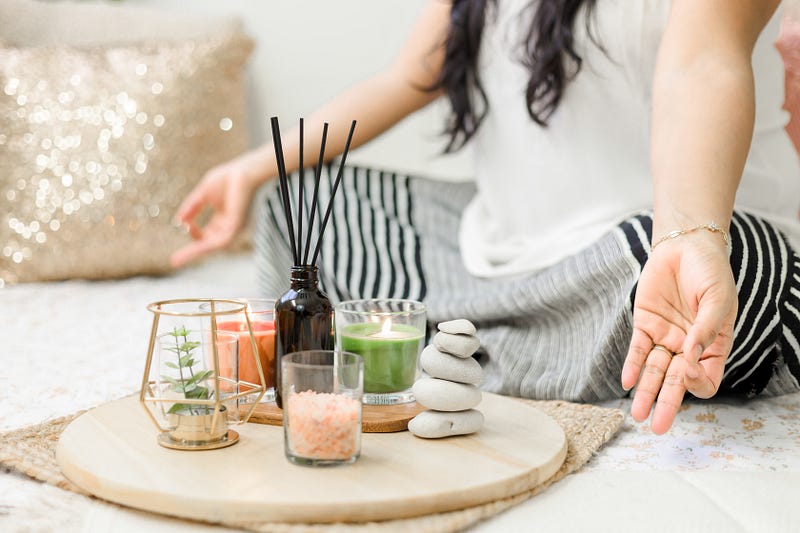
It’s not true that you can’t meditate.
People often set expectations for what the meditation experience is supposed to be like. And when those expectations aren’t met, they feel discouraged and become convinced that they just can’t meditate.
Hopefully, this simple technique will show you that it’s not that difficult and you can in fact do it.
The Technique
To start, find a comfortable quiet space, where you won’t be disturbed. It can be a room in your home, an empty conference room at work, a park bench where there aren’t any people nearby.
Before you start, make note of the time. Don’t set a timer. Nor have any expectations for how long you will do it. Now close your eyes. Focus on your breathing. You don’t have to do anything to your breath. Just pay attention to it.
Now, begin counting, starting at one, every time you breathe out. Count as you complete each breath cycle. When you count to 10, start back at 1. If you get distracted by thoughts and lose track of your breath count, it’s ok. As soon as you realize that you stopped counting, start back at one. You might be surprised by how easy it is to lose track.
This isn’t a mental exercise. You are not counting to complete any number of breaths. You are just keeping your attention on the breath by counting it.
This is to be done gently. You don’t have to rush your breath. And you don’t have to worry about what number you’re on. Just keep breathing softly, at a pace you’re comfortable with, and count your breaths from one to ten. Don’t resist anything that happens in your mind as you do this. If you feel doubt, let it be.
If you get distracted by your thoughts, gently let them go and resume counting the breath. Do this for as long as you find it pleasant. And when you feel a natural desire to stop, stop.
When you’ve finished, make note of the time. See how long you meditated. It’s ok if it was just a couple of minutes. You did great. You completed a meditation session.
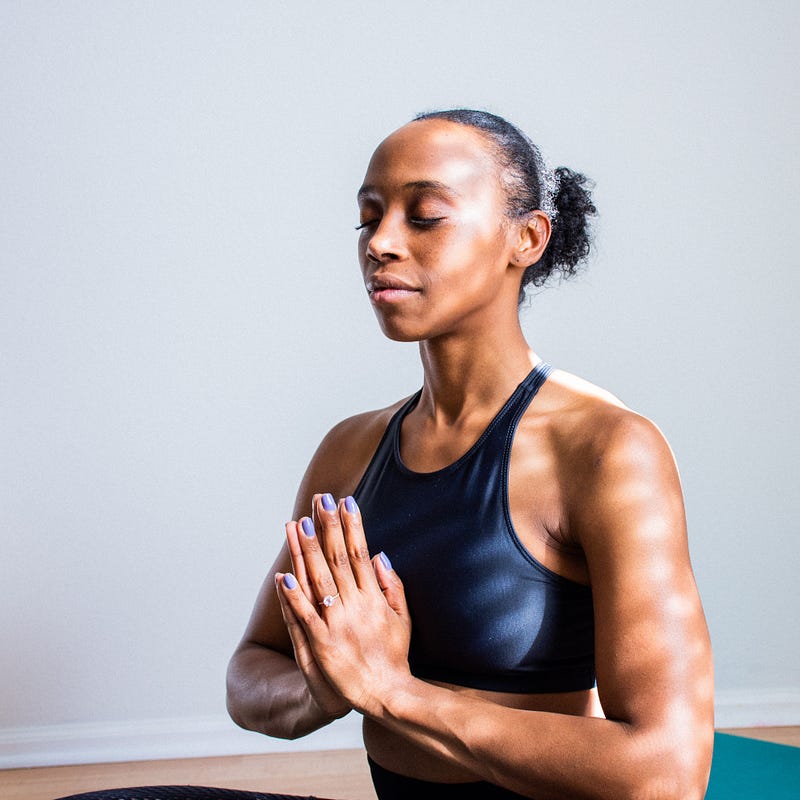
Meditation is a practice. You get more and more comfortable with it over time. So drop all expectations about how it should and shouldn’t go. Just follow your inner guidance and allow yourself to experience what you experience.
Meditation yields the best results when it is done regularly. See if you can set aside a few minutes every day to practice it. Or, look for openings throughout your day. From time to time, you may find your inner guidance telling you to take a moment to meditate. Listen to that impulse.
And again, a few minutes is enough.
Do it for as long as you feel comfortable doing it. Some days you may find yourself sitting for longer periods, and really enjoying it. Other days it will only be a short session. Keep an open mind.
Meditating is about allowing, not making it happen. Whatever happens during the meditation, just relax into it. If you feel your mind talking incessantly, relax. If you feel a little discomfort in your body, relax. Resist nothing. Each experience will be unique.
If you are concerned about too many thoughts during meditation, you may enjoy the article below.


