
The Silent Killer That Stalls 90% of Designers’ Client Relationships
Transforming Design Proposals into Client-Centric Solutions
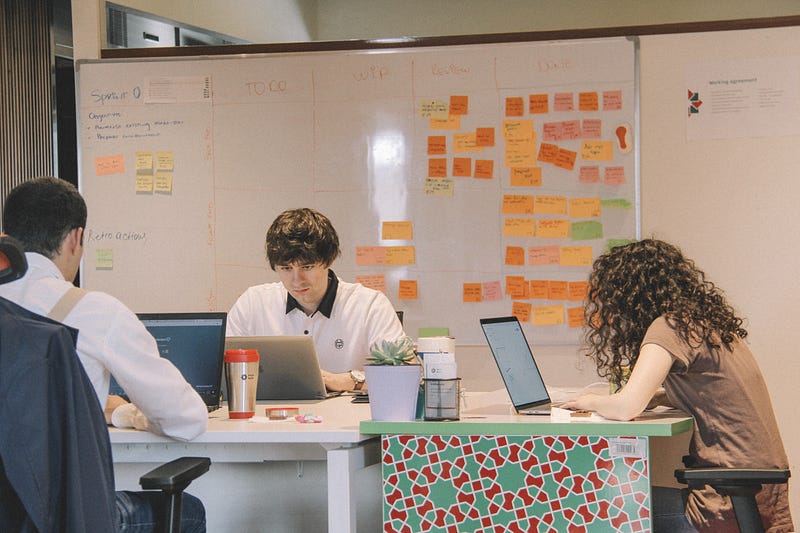
After getting clients, the real challenge comes when you try to present your project ideas.
It’s like a dance where many designers face problems — some disagree with the costs, and some struggle with money matters.
Some don’t even respond after you tell them how much your work will cost.
In this article, we’ll dig into the details of project proposals, uncover the issues, and provide a smart plan to not just handle but succeed in this important part of the design process.
1. Understanding the Project Proposal
At its core, a project proposal is not just a document; it’s a meticulously crafted blueprint that meticulously outlines project objectives, services, time frames, costs, and more.
It serves as the linchpin, a crucial instrument to artfully pitch your services following a consultation or discussion.
Far beyond a mere formality, it’s a strategic tool that can make or break a client relationship.
A well-crafted project proposal serves as a roadmap, aligning client expectations with the designer’s capabilities. It’s a tangible expression of commitment, a document that communicates not just what will be delivered but how it will be delivered, setting the stage for a successful collaboration.
2. Building Trust with Clients
A cardinal error that many designers make is the oversight of building trust during the proposal stage.
Clients, in their pursuit of design excellence, aren’t merely looking for the best designer; they are fundamentally in search of the least risky option.
To surmount this significant challenge, incorporating these trust-building elements into your proposal is paramount:
a) Guarantee: A Promise of Excellence
Infuse your proposal with a tangible guarantee, a commitment that not only communicates confidence in your abilities but offers assurance that the project will be not just completed but done so to a superlative standard within the agreed-upon timeframe.
This assurance becomes a cornerstone in establishing trust.
- Detail the specifics of your guarantee, assuring clients that any deviations from the agreed-upon standards will be rectified promptly and without additional costs.
- Clearly define the scope of the guarantee, covering aspects from design quality to project timelines, leaving no room for ambiguity.
b) Case Studies: An Evidentiary Trail of Excellence
Weave in case studies from analogous industries or clients with comparable styles.
This strategic move renders testimonials more relatable, providing clients with firsthand evidence of your mettle and expertise.
It’s not just about what you say you can do, but what you’ve already accomplished.
- Develop detailed case studies that not only showcase your design prowess but also highlight challenges faced and overcome, emphasizing your problem-solving capabilities.
- Incorporate visuals such as before-and-after comparisons, infographics, or client testimonials to add a visual and emotional dimension to your case studies.
c) Clear Design Process: A Roadmap to Trust
Transparency is key. Outline the entire design process with meticulous detail, providing clients with a crystal-clear roadmap of what to expect.
This not only engenders trust but positions you as a seasoned professional in the industry.
Clients feel more secure when they understand the journey their project will take.
- Break down the design process into distinct phases, outlining the objectives and deliverables of each phase. This helps clients visualize the progression of the project.
- Integrate visual aids, such as flowcharts or timelines, to make the design process more accessible and comprehensible for clients who may not be familiar with the intricacies of design workflows.
3. Selling the Solution, Not Just Services
A common pitfall that many designers stumble into is an excessive focus on the services they provide, neglecting to address the client’s underlying problems.
To truly stand out, position yourself as more than a service provider; position yourself as a problem solver.
This involves adopting a holistic approach:
a) Objectives Section: Understanding the Client’s Needs
Commence your proposal with a dedicated section outlining the client’s goals and predicaments.
This isn’t just about identifying problems; it’s about showcasing how your services are bespoke solutions to these challenges. This sets the tone for the rest of the proposal.
- Conduct an in-depth analysis of the client’s business objectives and challenges, demonstrating a profound understanding of their industry and market dynamics.
- Integrate data and metrics to substantiate your understanding of their challenges, showcasing a data-driven approach to problem-solving.
b) Unique Selling Proposition: Aligning with Client Goals
Spotlight how your design services seamlessly dovetail with the client’s overarching goals.
Whether it’s building brand awareness or attracting more customers, your services should be presented as integral to their success.
This isn’t just about design; it’s about achieving their broader objectives.
- Craft a compelling Unique Selling Proposition (USP) that succinctly articulates how your design services provide a unique and unparalleled solution to the client’s specific goals.
- Use visuals, such as infographics or success stories, to illustrate how your design interventions have directly contributed to achieving similar objectives for other clients.
c) Client-Centric Approach: The Core of Your Pitch
Recognize that clients are inherently more intrigued by how you can aid them in achieving their goals than by the intricacies of your offerings.
Always pivot towards aligning your services with their needs.
This client-centric approach not only builds trust but positions you as a partner rather than a mere service provider.
- Personalize your proposal by explicitly addressing the client’s concerns, aspirations, and challenges. This demonstrates a genuine commitment to understanding their unique context.
- Incorporate client testimonials or references strategically within the proposal, showcasing how your client-centric approach has translated into tangible benefits for previous clients.
4. Streamlining the Proposal Process
While the prospect of crafting custom proposals for every client might seem overwhelming, the key lies in efficiency without sacrificing personalization.
Here, the strategic use of a project proposal template becomes invaluable.
It streamlines the process, affording you the flexibility to make necessary adjustments based on each client’s unique requirements, striking the delicate balance between efficiency and customization.
a) Customizable Sections: The template should feature customizable sections that allow you to tailor the proposal to the specific needs and preferences of each client. This ensures that every proposal retains a personalized touch, despite the use of a template.
b) Dynamic Visual Elements: Integrate dynamic visual elements into the template, allowing you to showcase your portfolio, case studies, and design concepts seamlessly. Visual elements not only enhance the aesthetic appeal of the proposal but also serve as compelling evidence of your design capabilities.
c) Integration of Client-Specific Data: The template should facilitate the integration of client-specific data seamlessly. This includes details such as the client’s name, business objectives, and any other personalized information that adds a layer of customization to the proposal.
In the fiercely competitive world of design, where every proposal is a high-stakes endeavor, strategic finesse becomes the silent key that unlocks the door to sustained success.
If you’re poised to ascend to the next echelon in your proposal prowess, consider leveraging the provided template to streamline your efforts, increase efficiency, and augment your success rates.
After all, in the silent battles fought in the proposal stage, it’s the strategic attention to detail that emerges as the decisive factor.
With a meticulously crafted proposal that not only addresses the client’s needs but anticipates and exceeds their expectations, you’re not just securing projects; you’re forging enduring client relationships that stand the test of time.
If you liked the article, show your support with a clap 👏 and follow me! Feel free to highlight your favorite parts too. Your engagement keeps me inspired!
Get a curated list of game-changing tools, best practices, UX frameworks, and UI inspirations for UI/UX designers.