avatarCarol Labuzzetta, MS Natural Resources, MS Nursing

Free AI web copilot to create summaries, insights and extended knowledge, download it at here

2874

Abstract

entury. It is now surrounded by the Van Loon Wildlife area and open only to pedestrians.</p><blockquote id="9cb7"><p>“Located on a former vehicular road is a unique combination of five rare bowstring arch truss bridges and one low truss bridge. They represent two styles of bridge construction popular in the nineteenth and early twentieth centuries which are quickly being replaced due to deterioration or inability to meet today’s greater traffic requirements.” — <a href="http://7bridgesrd.weebly.com/about-mcgilvray-road.html">Source</a>.</p></blockquote><p id="5d1d">The bridges were built initially to reduce the need for a ferry to connect two counties — La Crosse and Trempealeau — over some marshy land in West Central Wisconsin near the Mississippi River.</p><figure id="e4f5"><img src="https://cdn-images-1.readmedium.com/v2/resize:fit:800/0*gezRzoJoFf2XpINQ"><figcaption>© Carol Labuzzetta, 2012</figcaption></figure><p id="1491">The Black River and its surrounding marshlands needed to be traversed in one way or another, especially as this area became fertile farmland. A bridge was constructed over the main channel of the Black River to replace the ferry that operated for 40 years between 1850 and 1892. This bridge came to be known as Bridge #7 and was eventually torn down.</p><p id="aea1">In the meantime, eight other bridges were constructed from wood to cross the swampy marshlands. These, of course, did not last long for wood rots quickly when it is wet all the time. Maintenance and replacement became an issue (<a href="http://7bridgesrd.weebly.com/history.html">Source</a>).</p><p id="c32c">Eventually, after a lot of petitioning by landowners, the wooden bridges were replaced with five iron bowstring arch bridges and a low iron truss bridge.</p><p id="aa07">These bridges were built between 1905 and 1908. They are the bridges that exist today, more than a century later!</p><p id="2bc8">Eventually, the Wisconsin Department of Natural Resources (WI-DNR) and a group called the Friends of McGilvary Road joined forces to prevent the bridges from being destroyed.</p><p id="6812">The iron truss bridges on McGilvary Road were placed on the National Register of Historic Places in 1980 and saved for us all to admire and walk on.</p><p id="5a75">The area continues to be swampy but it is a beautiful spot to spend some time with family — as we did so many years ago.</p><figure id="b574"><img src="https://cdn-images-1.readmedium.com/v2/resize:fit:800/1*PZ97eJlZpO22qLf5jxjyNg.jpeg"><figcaption>© Carol Labuzzetta, 2004</figcaption></figure><p id="7db3">My husband and I returned to hike on McGilvary Road more recently. Not much had changed. It’s like taking a step back in time when you see those iron bridges taking you over the watery swamp lands between La Crosse and Trempealeau counties in Wisconsin.</p><h2 id="b094">Art and Nature</h2><p

Options

id="1d73">In addition, we own two artist-signed prints depicting McGilvary Road — one is called 1992 Bridge №3, McGilvray Bandits, and the second is called 1993 Bridge №4, McGilvray Pheasants. We proudly hung them in our home for over twenty years. The bridges are an iconic symbol of the history of our former hometown.</p><h2 id="9eab">Back to the Bridges</h2><p id="cc7a">The five iron bowstring arch bridges are unique and based on a patent by Charles Horton. They were constructed by the La Crosse Steel Company (<a href="http://7bridgesrd.weebly.com/history.html">Source</a>).</p><figure id="93b5"><img src="https://cdn-images-1.readmedium.com/v2/resize:fit:800/1*7CLeV3tV-pFyecQ-xzXFXA.jpeg"><figcaption>© Cariol Labuzzetta, 2021</figcaption></figure><p id="0034">Never before have I seen iron bowstring arch bridges. They are beautiful and I love the local history that surrounds them, as well. Seven Bridges Road is something I’ll always associate with the early days of our move to Wisconsin.</p><p id="6a9b">We moved away from this town in 2022. I’ll always miss these bridges.</p><p id="7df6">This article is my second in response to the <a href="https://medium.com/globetrotters">monthly challenge by the Globetrotters publication on Medium.</a></p><p id="a2d1"><a href="undefined">Joe Guay - Dispatches From the Guay Life!</a> offers a look at the amazing engineering feats of bridges and those who create them!</p><div id="2fdd" class="link-block"> <a href="https://readmedium.com/bridges-thank-god-someone-was-good-at-math-f30ce3845acb"> <div> <div> <h2>Bridges — Thank God Someone Was Good At Math</h2> <div><h3>Because you don’t want to cross a bridge built by a Communications Major</h3></div> <div><p>medium.com</p></div> </div> <div> <div style="background-image: url(https://miro.readmedium.com/v2/resize:fit:320/1*29e626SeMftp-GJH6hX9lQ.jpeg)"></div> </div> </div> </a> </div><p id="749a">And <a href="undefined">Burnout Devil</a> shares an amazingly creative response to the prompt for this month! Be sure to check it out!</p><div id="72bb" class="link-block"> <a href="https://readmedium.com/defying-gravity-using-rope-like-a-bridge-429954a8bfff"> <div> <div> <h2>Defying Gravity: Using Rope like a Bridge</h2> <div><h3>Dare to walk on rope bridge: From Turkey’s cliffs to Lublin’s old town</h3></div> <div><p>medium.com</p></div> </div> <div> <div style="background-image: url(https://miro.readmedium.com/v2/resize:fit:320/1*mE_NPz4-G0nRtP4JGJZmjQ.jpeg)"></div> </div> </div> </a> </div></article></body>

The Seven Bridges Road That I Know As McGilvray Road

Hiking to iron bowstring arch bridges in this Wisconsin town takes you through more than a century of history
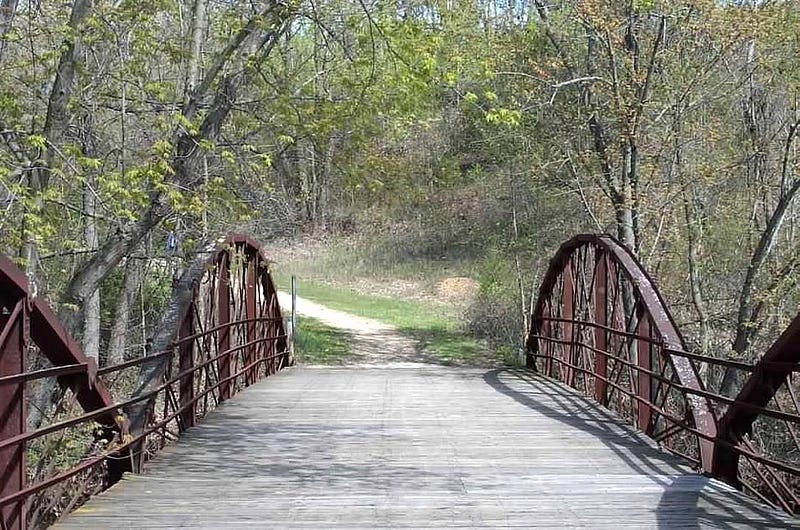
© Carol Labuzzetta, 2003

When we moved to Wisconsin from New York in 1999, we did many touristy things. We went to all the local festivals. This included Apple Fest, Butter Fest, Catfish Days, and Riverfest. We had one son — five years old and another born that fall. They tolerated these short outings well.

We squeezed in trips to the Twin Cities and Mall of America, Wisconsin Dells — once the Water Park Capital of the World (I’m not sure if it still is) — and Spring Green for an arts and crafts show.

Two years in, we had another son, in 2001. We received some teasing from neighbors (native Wisconsinites) by then about doing all these “touristy” things in our new home state. But, what better way to get to know where we were living than to immerse ourselves in the culture around our new home?
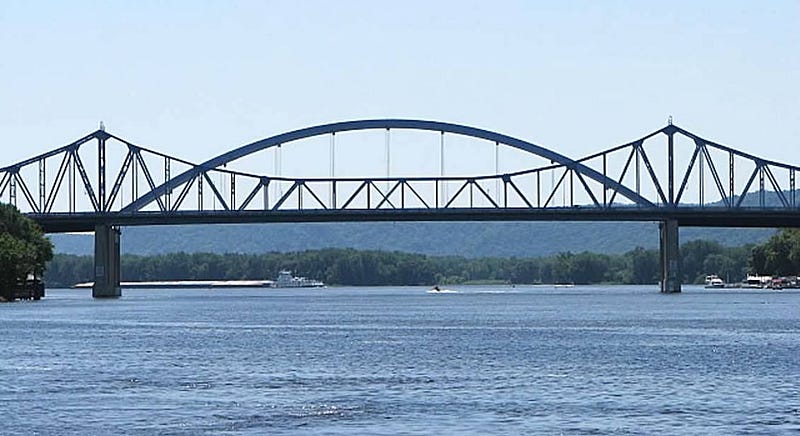
The Bridges in La Crosse Wisconsin — our new home in 1999. © Carol Labuzzetta, 2012.

Eventually, once the youngest could be content in a stroller, we ventured on some hikes and eventually on a trip back to Western New York with a stop in Sandusky, Ohio at Cedar Point Amusement Park and Niagara Falls, Ontario a few years later.
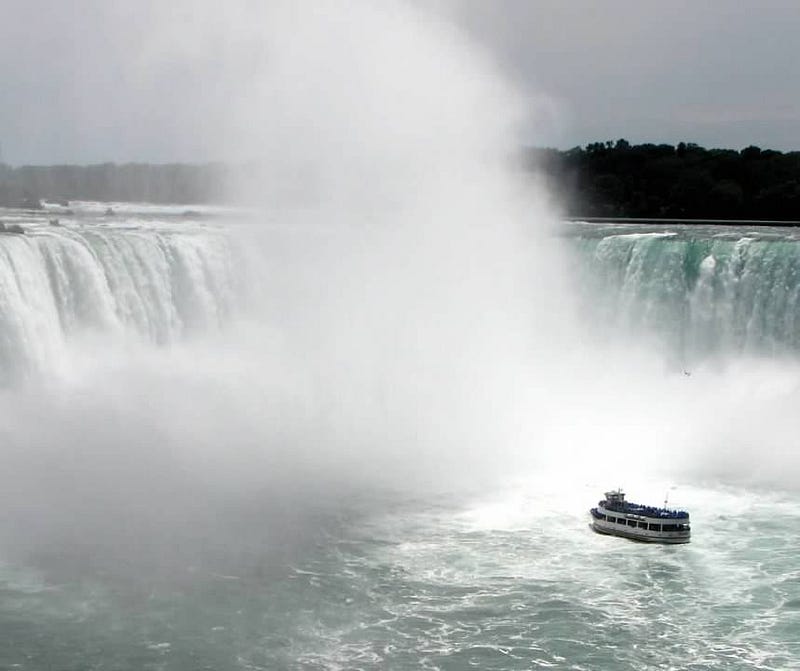
© Carol Labuzzetta, 2008

Finally, we were able to go on some hikes. One of our first hikes was to Seven Bridges Road in our town. It’s also known as McGilvray Road.
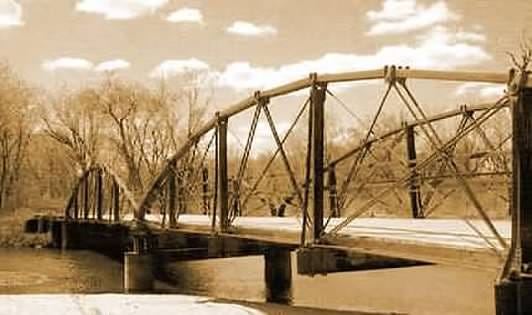
© Carol Labuzzetta, 2019.

This “road” now exists as a trail through the woods that was once used by vehicles. Wisconsin has a long history of logging its forests (not something to be proud of, in my opinion, because much of our native forests were destroyed). But, it was a different time, and different things like housing and dugout birch canoes, as well as fuel, took precedence and were done to satisfy the growing population as people moved west.
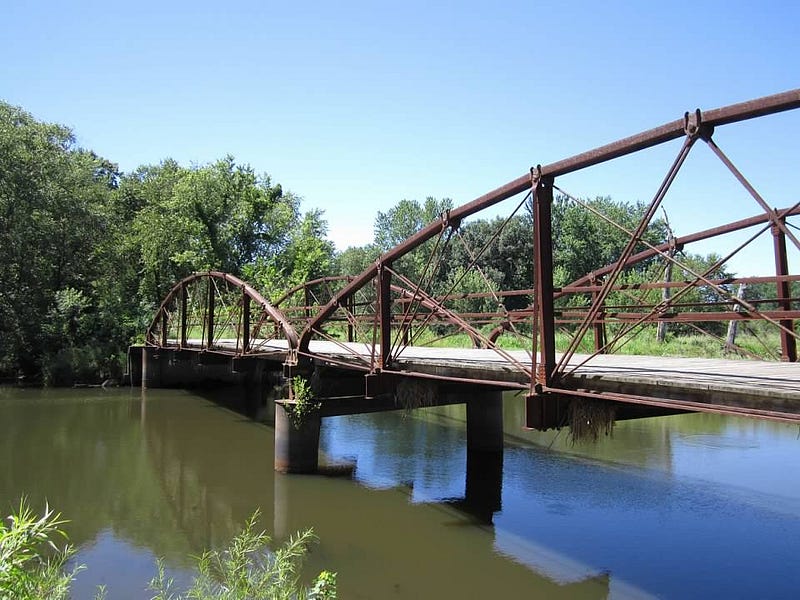
© Carol Labuzzetta, 2012.

McGilvary Road was home to seven (six remain) bridges built in the early 20th century. It is now surrounded by the Van Loon Wildlife area and open only to pedestrians.

“Located on a former vehicular road is a unique combination of five rare bowstring arch truss bridges and one low truss bridge. They represent two styles of bridge construction popular in the nineteenth and early twentieth centuries which are quickly being replaced due to deterioration or inability to meet today’s greater traffic requirements.” — Source.

The bridges were built initially to reduce the need for a ferry to connect two counties — La Crosse and Trempealeau — over some marshy land in West Central Wisconsin near the Mississippi River.
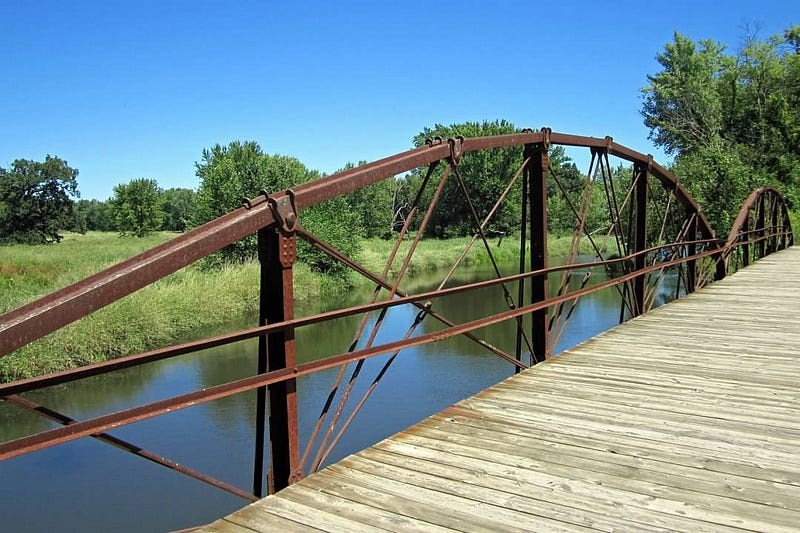
© Carol Labuzzetta, 2012

The Black River and its surrounding marshlands needed to be traversed in one way or another, especially as this area became fertile farmland. A bridge was constructed over the main channel of the Black River to replace the ferry that operated for 40 years between 1850 and 1892. This bridge came to be known as Bridge #7 and was eventually torn down.

In the meantime, eight other bridges were constructed from wood to cross the swampy marshlands. These, of course, did not last long for wood rots quickly when it is wet all the time. Maintenance and replacement became an issue (Source).

Eventually, after a lot of petitioning by landowners, the wooden bridges were replaced with five iron bowstring arch bridges and a low iron truss bridge.

These bridges were built between 1905 and 1908. They are the bridges that exist today, more than a century later!

Eventually, the Wisconsin Department of Natural Resources (WI-DNR) and a group called the Friends of McGilvary Road joined forces to prevent the bridges from being destroyed.

The iron truss bridges on McGilvary Road were placed on the National Register of Historic Places in 1980 and saved for us all to admire and walk on.

The area continues to be swampy but it is a beautiful spot to spend some time with family — as we did so many years ago.
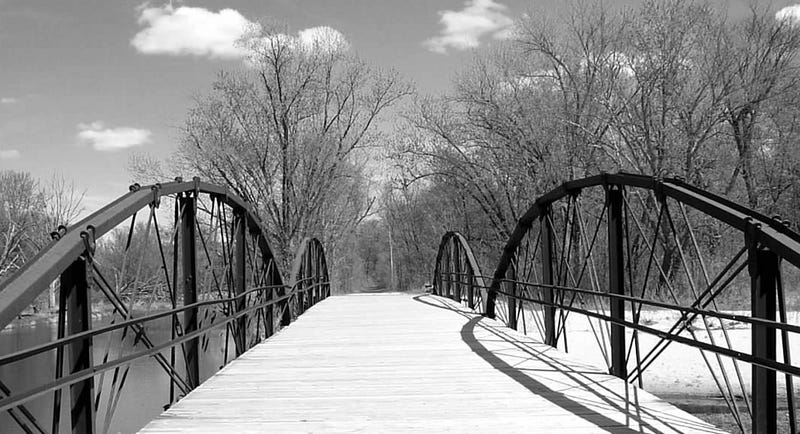
© Carol Labuzzetta, 2004

My husband and I returned to hike on McGilvary Road more recently. Not much had changed. It’s like taking a step back in time when you see those iron bridges taking you over the watery swamp lands between La Crosse and Trempealeau counties in Wisconsin.

Art and Nature

In addition, we own two artist-signed prints depicting McGilvary Road — one is called 1992 Bridge №3, McGilvray Bandits, and the second is called 1993 Bridge №4, McGilvray Pheasants. We proudly hung them in our home for over twenty years. The bridges are an iconic symbol of the history of our former hometown.

Back to the Bridges

The five iron bowstring arch bridges are unique and based on a patent by Charles Horton. They were constructed by the La Crosse Steel Company (Source).
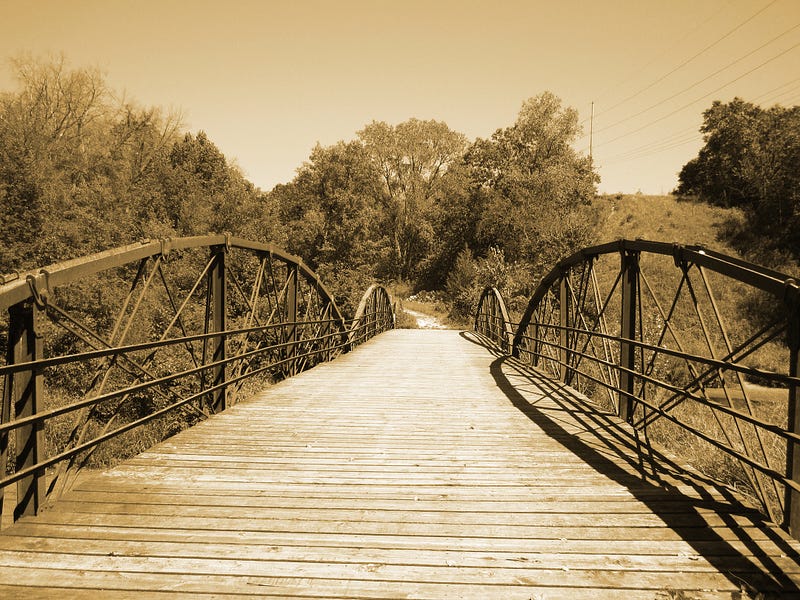
© Cariol Labuzzetta, 2021

Never before have I seen iron bowstring arch bridges. They are beautiful and I love the local history that surrounds them, as well. Seven Bridges Road is something I’ll always associate with the early days of our move to Wisconsin.

We moved away from this town in 2022. I’ll always miss these bridges.

This article is my second in response to the monthly challenge by the Globetrotters publication on Medium.

Joe Guay - Dispatches From the Guay Life! offers a look at the amazing engineering feats of bridges and those who create them!

And Burnout Devil shares an amazingly creative response to the prompt for this month! Be sure to check it out!

Monthly Challenge
Bridge
Travel
Photography
History
Recommended from ReadMedium