
The Sensual Argentina-based Genre Continues to Sound Fresh
A journey through the history of tango music
When Cultures Meet
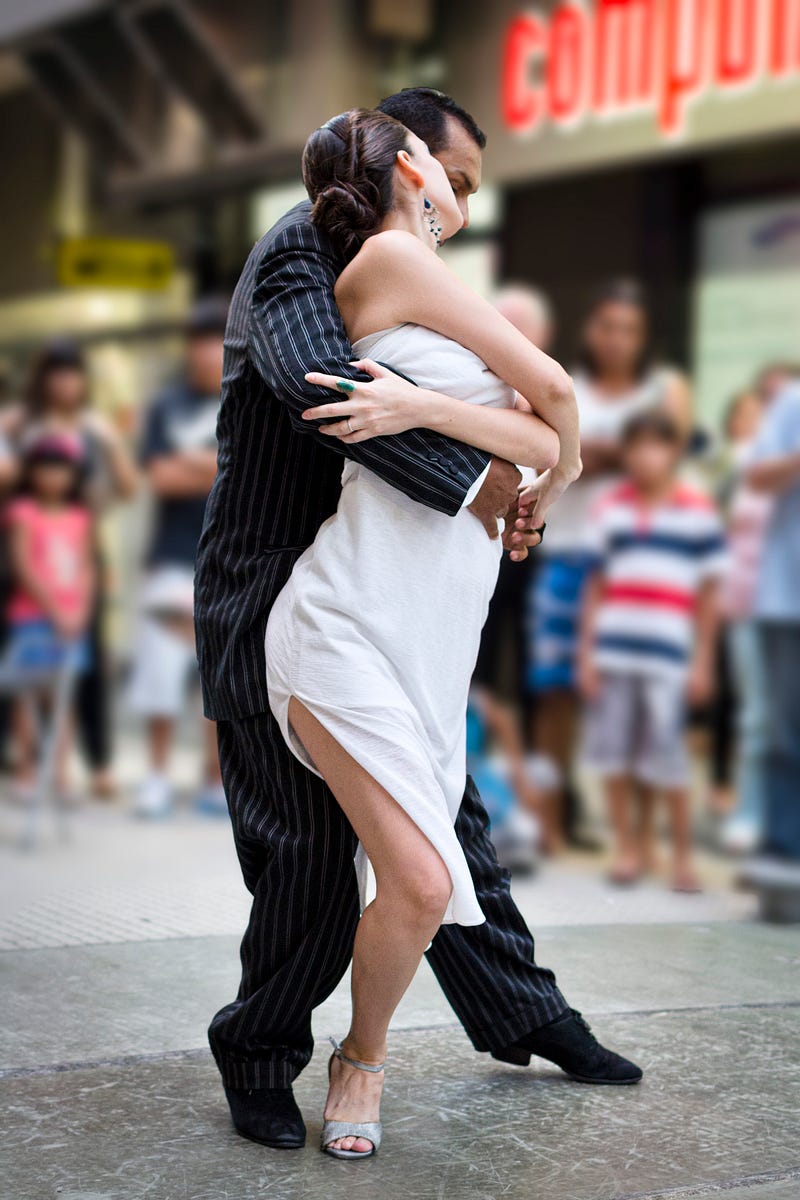
Tango is the product of several cultures fusing together in Argentina and Uruguay. The 1800’s were full of revolutions, civil wars, and interstate battles across South America. In the second half of the 19th century both Uruguay and Argentina were socially, economically, and materially exhausted by years of war. In order to develop their economies and infrastructure they encouraged large waves of immigration. By the early 20th century millions of immigrants moved to Uruguay and Argentina, mostly from Italy and Spain.
The transition from Europe to war torn post-war Argentina and Uruguay was not easy for the new immigrants. In the cities of Buenos Aires and Montevideo European immigrants started to play their traditional salon music. These efforts were met by Africans in the cities and the two groups began to intermingle. The cultivation of these cultural styles, (African rhythms, local genres like Payada and Pampas, and European salon music) fostered the development of early Tango music.
Not before long, the performative genre spread throughout the region. The music was particularly popular with urban communities and the working class. Some popular songs in Argentina at the time were “El Greco” by Lino Galeano and “Tango N°1” by Jose Machado. At this stage, Tango music was vehemently disliked by the upper class and nobles. They found the music rowdy and referred to it sometimes as “gangster music”.
Musical Evolutions
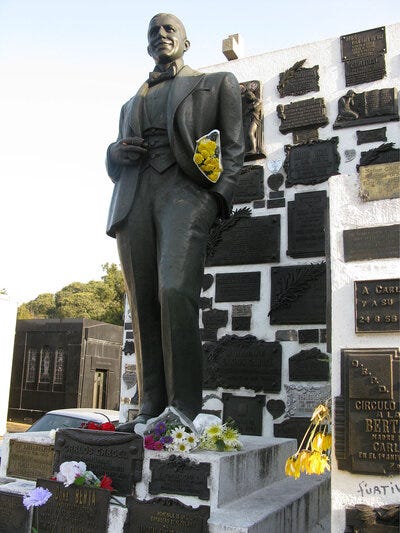
Since its inception tango has experienced four musical periods. Musicologists divide the eras between Carlos Gardel’s reign, the “golden age” of Tango, Tango Nuevo, and Tango Fusion. These periods vary in style, impact, and sound.
During the Gardel era, the international superstar was at the peak of his success. Starting as a folk singer, Gardel expanded tango’s impact through international tours and Hollywood film cameos. Through his more professional attire and handsome looks he connected tango’s reach into the rungs of the upper class. Through his songs and live shows tango music became one of Argentina’s largest cultural exports.
After the untimely death of Gardel in 1935 tango music experienced a schism. Some musicians pushed for traditional tango and the others encouraged more experimental sounds. When musicians like Osvaldo Golijov enriched tango’s sound through more complex production and sophisticated orchestra’s tango music became even more respected by music audiences around the world. During this period European groups started to adopt the dances and incorporated some of their instruments including the saxophone, clarinet, and electric organ.
Tango music became more engrained into American culture during its Tango Nuevo stage. This period lasted from the 1950’s to the early 21st century. Musicians like Littoral Nebbia and Buenos Aires 8 utilized complex harmonies and jazz arrangements into tango’s sound. The composer Astor Piazzolla also helped grow Tango’s popularity by gaining the respect of New York jazz musicians. American rockabilly and British rock and roll were both internationally renowned by the 1950s. Their worldwide craze and impression on the youth threatened the sustainability of Tango. Therefore, the experimentalist of the previous decade’s helped keep tango nimble and alive during this transitional period in popular music.
With the rising use of computers in music-making tango music experienced another watershed moment. The fearless adaptation of electronic music and synthesizers moved tango forward into the new century. Artists like Gotan Project, Tanog Jointz, and Otros Aires made tango a modern genre in the early 2000s. In a lot of musicologists and music journalist circles, this era of tango music is referred to as “electro-tango” or “neo-tango”. The best umbrella term for this sound is “tango-fusion”. More than ever before tango music is both maintaining its 2/4 and 4/4 time signature and integrating more genres and musical influences than ever before.
How It Sounds
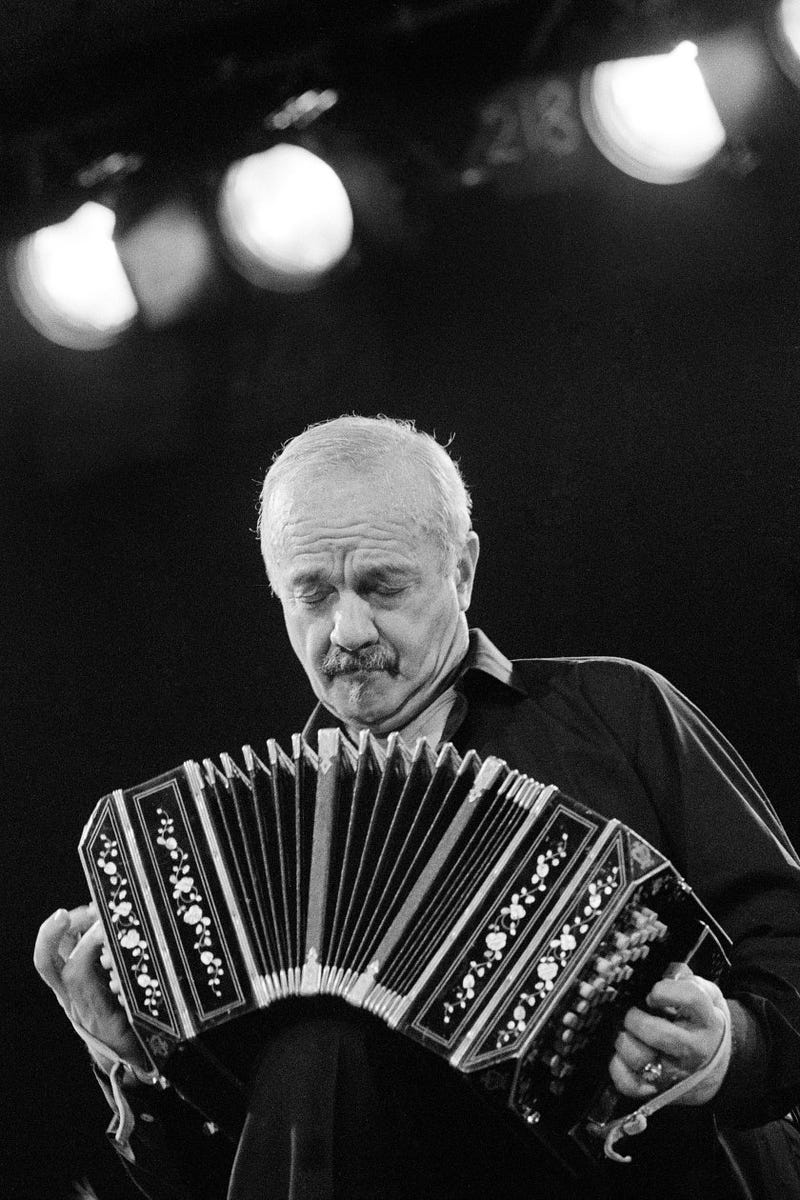
Traditional tango music sounds remarkably forlorn and morose. The violin and bandoneon drag on with captivating emotional texture. At the same time, the songs build their energy and move with outstanding versatility. When tango music started to incorporate some of jazz’s liberal arrangements and disregard for conventions the sound became incredibly thrilling. Music by groups like Buenos Aires 8 is unbelievably dynamic and soothing. It sounds like music you would hear during brunch in Paris overlooking the Seine river. By the time we get tango fusion, the music recaptures its inherent sensuality. With the advent of electronic production the music’s emotional passion bursts like a large bonfire. The music is far more immersive than its eclectic golden era forbearers. Younger listeners may enjoy the percussive nature of Otros Aires’s music. Their music sounds remarkably modern and unmistakably like tango. In short, tango music sounds like love, sex, rejection, and pain all wrapped into a rhythmically captivating moment that demands dancing.
Tango’s New Global Movement
Tango music is one of the most recognizable genres in the world. It is a staple in several mediums including shows like Dancing With The Stars and residency programs like DANCEworks. There are several Argentina-based groups that are keeping the genre alive and flourishing. El Cachivache Tango Orquesta came out with the forward-thinking and vibrant album Tiempos extraños last year. Just this May Tangora Orquesta Atipica released their innovative and ambitious album Soltar. Fans of the genre can also receive tango dance lessons in thousands of dance studios around the world. The genre is standing the test of time and simultaneously sticking to its roots through the increasingly complex musical landscape of the 21st century.