
The Semicolon Delusion
Why Does Everyone Misuse Semicolons?
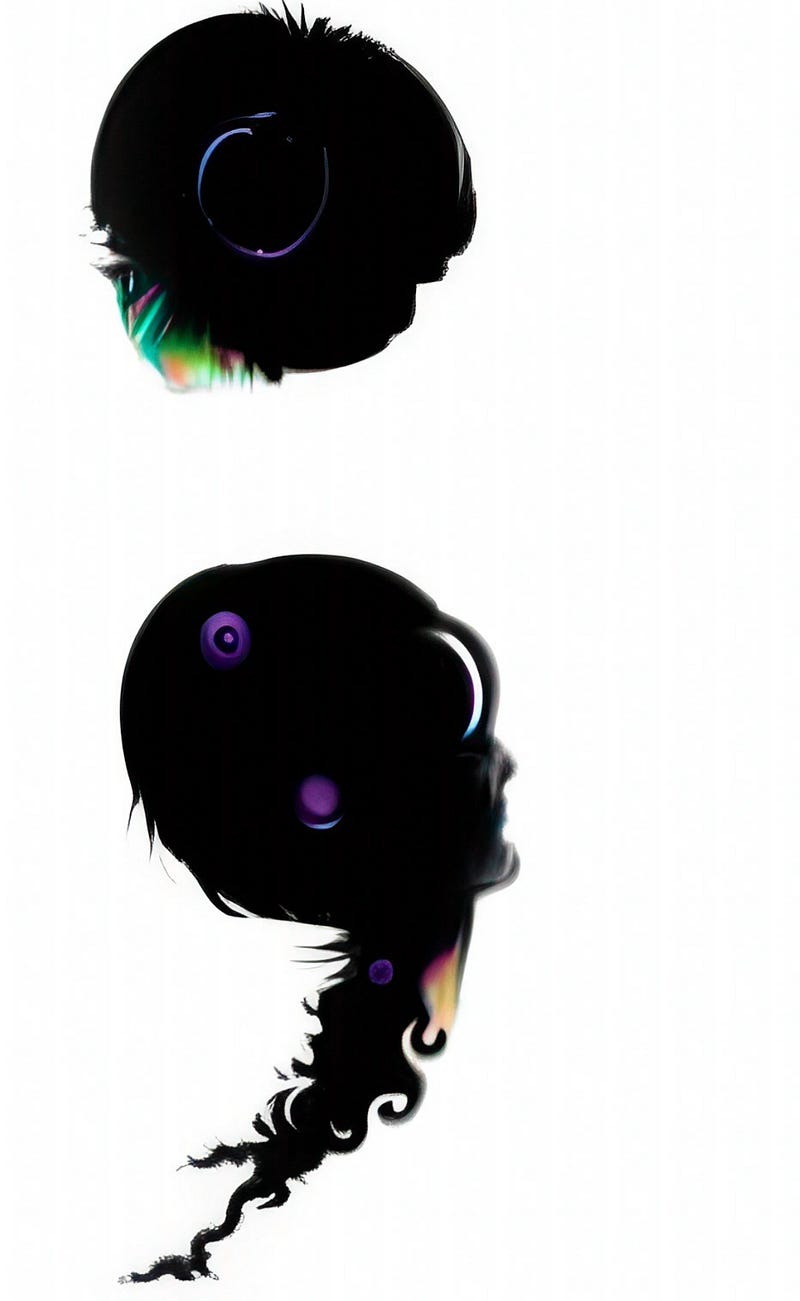
The semicolon is a complicated character. Possibly the most misused bit of punctuation in the world of writing, the semicolon remains an enigma to many. In my brief tenure spent scouring the recesses of Medium, the improperly placed semicolon is a mistake I’ve perhaps encountered more than any other. The first few times I was willing to shrug it off; I’ve been to high school and I’ve encountered my fair share of run-ons and sentences that needed their commas spliced. But the semicolon is a pervasive deceiver.
To make sure my life wasn’t a lie and that Mrs. Borgin didn’t teach me wrong, I googled the question, “Why does everybody misuse the semicolon?” Up pops this 2013 article from the LA Times, entitled “A Word, Please: Semicolons have two specific purposes, so don’t overuse.” Apparently, I’m not alone in my frustration over the misallocation of this esoteric bit of punctuation! Perhaps my English teacher didn’t deceive me after all! Apparently, the grievance over the misuse of our lovely semicolon friends dates back at least as far as this article.
June Casagrande, LA Times writer and fellow victim of semicolon onslaught, feels similarly to me on this issue. “Most writers don’t bother with them… maybe they figure, ‘Hey, I’ve gotten this far without using semicolons. Why learn now?’”
Semicolons themselves are fairly innocuous. They join together independent clauses that each function on their own as complete sentences; they’re pretty neat. They also help to break up long lists, especially those with cities and states. I.e. “Locations were opened in Atlanta, Georgia; Los Angeles, California; and Philadelphia, Pennsylvania.” The uses for the semicolon are niche and unvaried. But for some reason, many in the world of writing seem to disagree.
“…The writers who do use semicolons — well, they’re the reason I hate semicolons,” Casagrande explains. “Here’s an excerpt from an article I edited in which the writer quotes a therapist at a spa. ‘Now shower; and your skin will feel like new,’ she said.’ In that sentence, you could replace the semicolon with a period and start a new sentence. Or you could use a comma. Or you could use nothing. That raises the question: Why did the writer use the semicolon? There’s only one possible reason: because she could.”
Aha! I never understood the explanation could be so simple. It’s a sudden lightbulb moment for me. A revelation! People use semicolons not because they’re useful, not because they’re confused about their function, but because they can! They are awfully pretty, after all. Check it out:
;
A dot and a squiggle. Simple yet understated. Maybe I shouldn’t have been so hard on people for trying to add a little stylistic flare to their sentences. But really, semicolons don’t ask for much. They aren’t demanding. Unlike their comma friends, they can keep to themselves if we’ll let them. We can focus instead on those pesky periods and parentheses. Isn’t English tricky enough as is? And that’s without even getting into the strange rules of what happens within quotation marks!
There’s no need to further complicate the language with semicolons that don’t need to be there. The semicolon is our friend; we shouldn’t take it for granted! Not after that last sentence, at least. If we fail to appreciate what we have, this squiggly comrade of ours may not be around forever.


