
The Seduction of Poison
The plant kingdom has it all figured out. But have we been telling the story incorrectly?
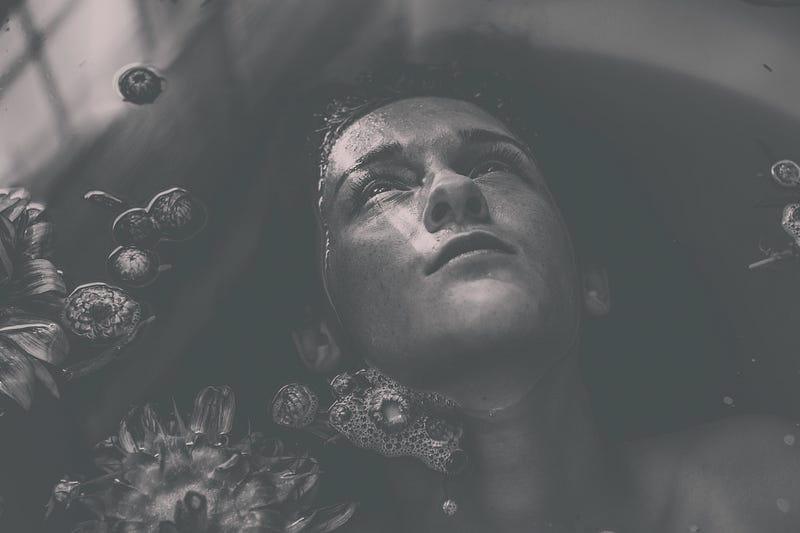
Most people put plants into a category of inanimate objects. If they don’t move, they aren’t seen as “alive.” Plants, however, are very much alive, very active and even, you might say (I certainly do), entirely conscious.
What seem like random characteristics and qualities are actually very deliberate designs of survival. The smell and colors of flowers make them attractive to bees, thus ensuring their propagation. The way a plant leans and the way the bark of a tree twists indicates its attempt to move toward light and water. Poisonous plants developed toxins as a defense mechanism to keep browsers from killing them.
The poisonous plants are the most fascinating to me. It’s amazing to think of the strategy involved in the evolution of these plants. Some are very direct, scaring off threats with things like thorns and brambles. But others take it to another level — toxicity and even death.
Most animals can detect these toxins and as such, the mechanism works perfectly, keeping the plant in question safe. But humans aren’t equipped with this sophisticated sensate awareness that most other animals have. Humans are often fooled by appearances, mistaking hemlock for parsley, or narcissus bulbs for garlic.
What we don’t know can hurt us. Our lack of understanding of the wild green world makes our relationship just a little bit dangerous. (And maybe a little bit thrilling.)
Add to that the seduction of the plant world — bulbs that burst from below the dry earth reaching with an endless hunger toward the warmth of the sun, the pure satin of flower petals against the skin, the riot of color that flowers display every spring, the intoxication of a plant’s perfume, the taste of nectar on the tongue… Humans are much like bees, drawn to the plant world, flowers in particular, yearning to run our fingers along those pollen-encrusted stamens.
Isn’t it interesting, then, that so many toxic plants are flowering plants? The elegant trumpet of Datura. The sleek, exotic purple flowers that mature into the shiny blue-black berries of deadly nightshade. The exquisite milky white petals of frangipani and the voluptuous bell-shaped foxglove.
How utterly fascinating (yet not at all surprising) that we should be so drawn to that which could hurt or even destroy us. It’s “pretty poison.” It’s that oh-so-thin line we walk between sex (life) and death.
It’s nothing new in the archetypal journey of the human soul. And it’s not even necessarily bad.
We are always living in the tension of opposites. Creation and ecstasy might always involve just a little bit of risk, a little bit of danger. Maybe even a little bit of destruction.
I don’t think our culture tends to think of it like that. We tend to blame the plant. The seductress. The poison. We don’t blame the one who was seduced. The seducer manipulated them into risk, into danger. There’s only one side to that story.
But I believe there’s another side. I believe the pretty poison got the short end of the stick. What about the seduced? What’s their story? And does their story make the pretty poison’s story look any different?
Remember, the development of poison is a defensive tactic, created by an organism to protect itself from danger. The one seduced by that poison is the very thing the organism is defending itself against. The one seduced is the danger.
So which story is true? Who is the hero and who is the victim?
© Yael Wolfe 2019
If you like my work and want to stay updated, click here to subscribe to my newsletter.


