The Secrets to Unlimited Productivity
Top 5 ways to increase your productivity today!

In high school, I struggled a lot with motivation and energy. I would say around 70 percent of the time I was tired, stressed, procrastinating, miserable, and just apathetic towards life.
Every once in a while I’d get “fed up” with procrastinating and have a sudden (very short) burst of productivity.
I would get the majority of my work done within a couple of days and then I would inevitably crash and be my normal, miserable, and procrastinating self.
If this sounds like you at the moment, don't worry. Below, I have my top tips for being more productive and beating procrastination.
Productivity depends on Energy:
So when it comes to getting out of a slump in the short term, the first step for me was to realize that productivity and motivation ultimately are and comes from energy, at least in my experience.
when I'm sick or I'm really sleep-deprived, I'm definitely not thinking about the goals that I need to accomplish or how many things I’m going to get done and so the less energy I had the more unmotivated and generally lazy I felt and the harder it was to do anything so to get more energy I needed to remove the dementors from my life aka the energy drainers.
Fix your sleep schedule:
Your energy levels depend on the amount and quality of sleep that you get, so the better sleep you get, the more energy you will have to tackle your goals and ambitions.
In my case, I identified two reasons for my lack of high-quality sleep.
Caffeine:
The first is an excess of caffeine consumption.
Exactly around a year and a half ago, I completely quit regular coffee and tea and switched entirely to decaf and it honestly changed my life. I had been drinking around three to five cups of coffee a day. Because, I constantly felt tired and it would give me a temporary boost of energy that would last one or two hours so I could frantically get my work done last minute at 2 am.
What I didn’t realize was that caffeine was gradually ruining my sleep schedule and the quality of my sleep. So I highly highly highly recommend switching to decaf and just seeing if that helps.
Keep in mind also that you’ll probably have some withdrawal symptoms like headaches and sleeping a lot more the first week which is completely normal and actually a good sign because it means your body is adjusting and then after that, it will take anywhere between a couple of weeks to a month for your body to normalize and at least in my experience it became a lot easier for me to fall asleep and I naturally started falling asleep earlier and just felt a lot calmer overall after I quit caffeine.
Blue Light:
The second cause of my worsening quality of sleep was the blue light emitted from my phone.
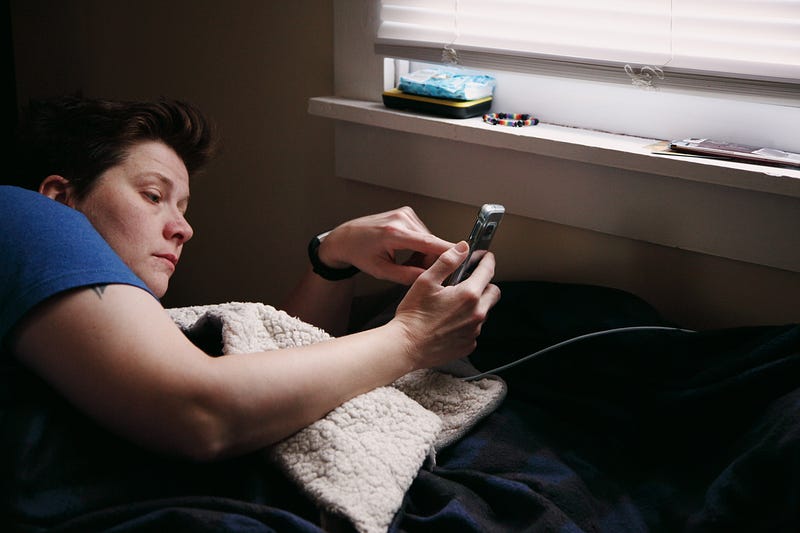
Studies have shown that blue light tricks your brain into thinking you are still active and working, thus it does not release the hormones required to fall asleep.
Therefore, by scrolling through TikTok or answering emails just before you go to bed, you will struggle to fall asleep and remain tossing and turning all night.
So it's best to turn your phone off out of reach at least an hour before you fall asleep and use that time to do something more productive. I used this time to journal, read books or draw.
Once you have fixed your sleep schedule, the next thing to focus on is what else is lowering your energy levels and stopping you from reaching your full potential.
Inactive Rest:
The next Energy drainer is what I like to call inactive rest. If you think about it life is movement and the slump is essentially like a black hole or quicksand.
The more time I spent doing nothing and just watching Netflix in my free time the more and more tired I felt. With each passing day, it became harder and harder to have the energy to do anything.
This is because our body’s energy levels work kind of like the supply-demand chart in economics. The amount of energy your body gives you depend on the demands that you place on it.
This is why professional athletes have seemingly so much energy to exercise for hours and hours on end, but for them, it’s just normal. So when you’re constantly not doing anything, your body gets used to low energy levels and thus struggles to provide enough energy when you really need to get some work done.
However, there are a few simple ways to overcome this;
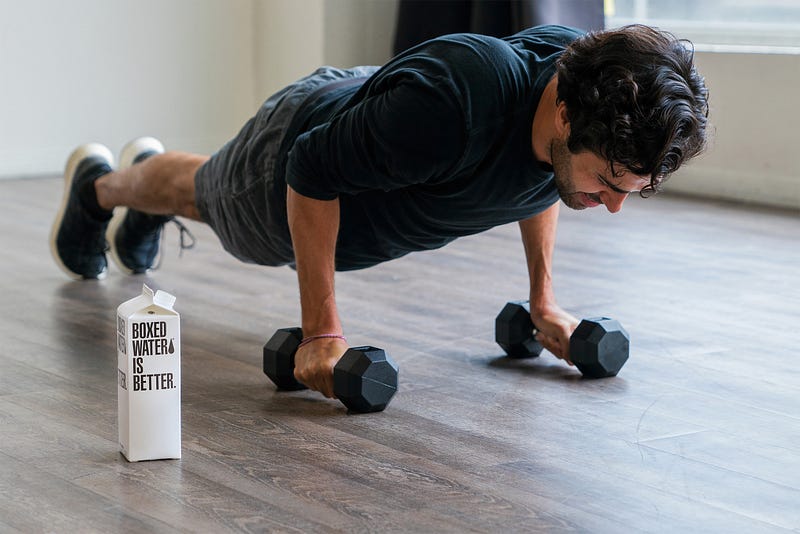
The easy way to hack this low energy feeling is to constantly move and be active, so the more energy you expend the more energy you’ll have with each passing day.
I advise getting up every 45mins from your seat and doing some light exercise such as push-ups or going for a short 5 min walk around the house. On top of this, try to go to the gym at least 2–3 times a week.
Exercising is a natural way to release more dopamine and raise your energy levels, so this trick will help you feel more energized to overcome the procrastination blues.
so just as long as you keep moving and doing things and demanding energy from yourself eventually, it will come and you’ll feel more and more energetic and motivated to do things.
To-Do lists:
The final energy drainer and best way to improve your productivity are dealing with procrastination head-on.
I’ve noticed a funny thing about procrastination, is that the more you procrastinate, the more guilt you feel and the more you want to avoid what makes you feel guilty.
When we feel guilty about something, our brain tries to justify it by telling us ‘the work is too hard to complete so procrastination is ok.’
We try to escape from reality since we feel so overwhelmed and so the more we watch things to escape from reality the worse our fears and guilt gets and then the more miserable and just overall annoyed we feel about ourselves.
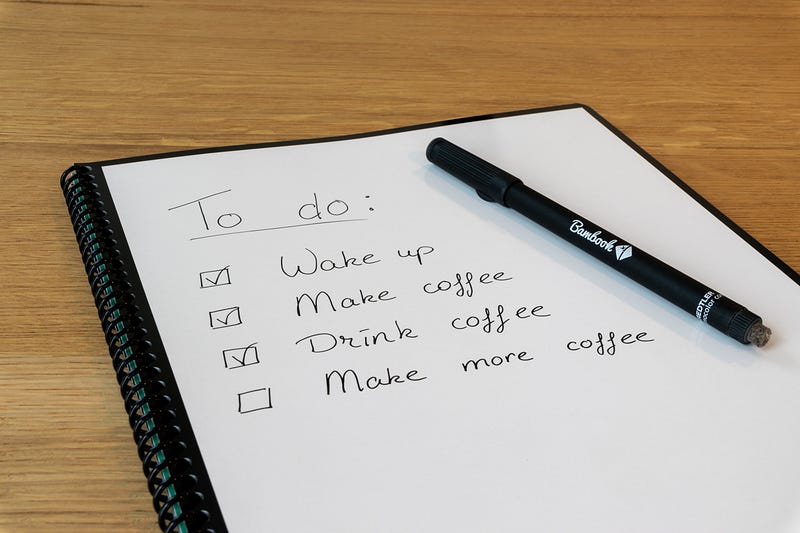
The solution to this is pretty simple however, it is difficult to stick to and so the first thing I like to do is make a to-do list of everything I can possibly think of that’s stressing me out.
Just a really simple list of the most urgent tasks that I have to get done and so then I prioritize them in order of the worst task at the top the one that I dread the most and the easiest one at the bottom.
I then attempt these tasks, starting with the most difficult. As you begin to complete tasks, you will notice a sense of self-motivation and joy from feeling on top of things for once. This will help improve your motivation and make you feel happier.
The longer you stick to your daily or weekly To do lists the more you will get done and the more your brain will associate getting tasks done with joy and happiness.
These changes have tremendously improved not only my productivity but my overall quality of life and happiness!
If you enjoyed this article, please leave a clap and follow if you would like to see more of this content I have attached two articles which you might find of interest.


