avatarMiracode

Free AI web copilot to create summaries, insights and extended knowledge, download it at here

3296

Abstract

f mouth is the most effective form of advertising: it’s because it’s genuine. It comes from the heart, and it works! Good experiences are spread far more regularly than bad ones, which means that if your customers have had a good experience with you, they’ll be happy to recommend them to their friends.</p><p id="fb9e">This is called ‘indirect marketing,’ as it involves people spreading the word for you. They might not even buy anything themselves or visit your website, but they can still do this on an individual level by discussing their experience with others offline. Imagine reaching thousands of prospects without spending any money at all. That’s indirect marketing!</p><p id="8f8c">As your reputation grows, so does the trust that people have in you. They’re much more likely to buy from you again if they know others who have already done so and had a positive experience. It’s simply human nature: we tend to follow suit when someone else shows us how!</p><figure id="06e0"><img src="https://cdn-images-1.readmedium.com/v2/resize:fit:800/0*8JYSDw26muGSqQ_C"><figcaption>Photo by <a href="https://unsplash.com/@jontyson?utm_source=medium&amp;utm_medium=referral">Jon Tyson</a> on <a href="https://unsplash.com?utm_source=medium&amp;utm_medium=referral">Unsplash</a></figcaption></figure><h1 id="06b1">Respond To Customer Feedbacks Quickly</h1><p id="5458">No matter how good your product or service is, there’s always room for improvement. If customers have a problem with anything, you won’t get committed relationships until it’s resolved. Respond to customer complaints as soon as possible, preferably within 24 hours if possible.</p><p id="6c9d">In the modern world, everyone expects fast responses. They can use social media to contact you or post their complaints on review sites! By resolving problems quickly then, you’ll gain more committed customers. You can even add their answers to FAQs (frequently asked questions) pages for other prospects who might have similar queries when they visit your site in the future.</p><p id="0fc1">You can learn from issues as they arise, allowing you to prevent them next time. This is far more effective than when a problem arises, and your only solution is to apologize for the inconvenience caused.</p><figure id="42e3"><img src="https://cdn-images-1.readmedium.com/v2/resize:fit:800/0*kEsyOaXzB9aj9r5I"><figcaption>Photo by <a href="https://unsplash.com/@timmykp?utm_source=medium&amp;utm_medium=referral">Tim van der Kuip</a> on <a href="https://unsplash.com?utm_source=medium&amp;utm_medium=referral">Unsplash</a></figcaption></figure><h1 id="a8e0">Provide Strong Service And Support</h1><p id="7afb">After the initial sale, customers will expect you to provide strong customer support for their needs. This means responding to existing issues and helping them find solutions and create new products or services that they need.</p><p id="b35c">Committed customers are more likely to buy from you again when they know you’re happy to respond quickly and help resolve problems. They’ll also be more inclined to recommend your business because of all these things. This creates a strong relationship with positive experiences on both sides.</p><p id="9723">In short, you’ll be more likely to get repeat business and referrals if you of

Options

fer robust customer support to your existing customers. This is much better than buying something without any service or support, then having severe problems later, leaving them feeling trapped into continuing using your product/service.</p><figure id="5464"><img src="https://cdn-images-1.readmedium.com/v2/resize:fit:800/0*JLX_RkqxaSKu7qoz"><figcaption>Photo by <a href="https://unsplash.com/@bermixstudio?utm_source=medium&amp;utm_medium=referral">Bermix Studio</a> on <a href="https://unsplash.com?utm_source=medium&amp;utm_medium=referral">Unsplash</a></figcaption></figure><h1 id="b382">Show Concern For The Customer’s Business</h1><p id="5cc9">Part of building a committed relationship involves the customer knowing that you care about their business. You can be involved with them by sharing helpful information, providing tips for marketing and advertising, and helping them find new customers when you can.</p><p id="da3a">They’ll appreciate this kind of help because it’s hard to come by for small businesses! They’ll feel that your company is willing to go the extra mile for them. They might even be glad to give you feedback and spreading positive reviews about your business.</p><p id="c6e1">It also shows some signs that they’re essential (which they are). Many brands avoid doing this kind of thing, preferring to focus entirely on themselves. As a result, people don’t often get much loyalty from these companies, so why should they have any commitments to them.</p><figure id="9ddf"><img src="https://cdn-images-1.readmedium.com/v2/resize:fit:800/0*427uAJ6PUgLd_fZC"><figcaption>Photo by <a href="https://unsplash.com/@christianlue?utm_source=medium&amp;utm_medium=referral">Christian Lue</a> on <a href="https://unsplash.com?utm_source=medium&amp;utm_medium=referral">Unsplash</a></figcaption></figure><h1 id="289d">Give Your Customers What They Want, Not What You Think They Need</h1><p id="70aa">People will buy from you when they know that your business can give them what they want. You don’t have much chance of building committed relationships if you’re not giving them what they need first. This is where marketing comes in: by understanding their needs and tailoring your services to fit in with those; then you’ll be more likely to get customers committed to working with you for a long time.</p><p id="7daf">This might even mean revamping your existing products or services so that they match up better with what people need rather than how you think it should work. This will help you adapt faster to what people want and more easily identify new trends coming up in the future.</p><p id="f9a6">You should focus on solving customers’ problems by creating a solution that works for them. This means taking into account all of the small details. They will appreciate that you care about them because your vision is their needs.</p><h1 id="04c3">Conclusion</h1><p id="66d9">In a nutshell, building committed customers is about knowing what they are looking for and delivering that over a while. This means listening to them, understanding their needs, and making sure that you can comfortably meet these on an ongoing basis. If you want your customers to stay loyal, then commit yourself to provide them with the best service that you possibly can!</p></article></body>

The Secret to Building Committed Customers

And It Works!

Photo by Charisse Kenion on Unsplash

Building committed customers is a difficult task, but it’s one of the most essential. As many owners and managers will tell you, there is no point in increasing sales if customers disappear as soon as your latest promotion ends!

You may add more to your order book by constantly offering new products or promotions, but you are doing them a disservice in reality. They’re used to getting all sorts of information and special offers from you regularly.

Are they committed, customers? It might appear that you have committed customers who buy regularly without hesitation — what more could an owner want? However, this isn’t always the case. When orders fall off suddenly after months of high demand, it can be a red flag for this. These customers are likely to be only ‘loyal’ to you rather than committed, which means they’ll always have an eye out for a better deal elsewhere.

Here’s how you can build committed customers:
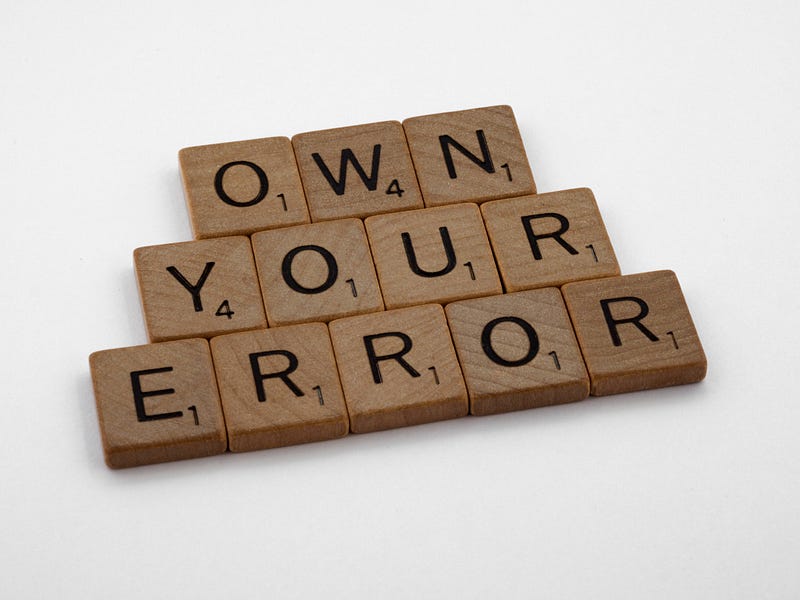
Photo by Brett Jordan on Unsplash

Be Honest In All Ways

There are many reasons customers and businesses fail to build committed relationships, but one of the biggest is being dishonest about anything. If something doesn’t live up to your promises, then be honest and transparent about it.

Build a foundation of trust. Trust is the cornerstone of business relationships, and building committed customers begins with that. When your customers know they can rely on you, then they’ll be more willing to buy from you rather than looking elsewhere in the future. Try giving refunds when problems arise or providing support after sales ends. These things help earn customer trust by demonstrating your willingness to stand behind them.

Yes, it’s challenging work, but the results will speak for themselves as long-term sales increases will outlast any short-term promotions! These same customers will tell others about you too, spreading the word and generating more sales that way. So, what’s the point of short-term gains if they’re at the expense of long-term losses?

Photo by Fab Lentz on Unsplash

Build Your Reputation Through Word of Mouth

There’s a reason why word of mouth is the most effective form of advertising: it’s because it’s genuine. It comes from the heart, and it works! Good experiences are spread far more regularly than bad ones, which means that if your customers have had a good experience with you, they’ll be happy to recommend them to their friends.

This is called ‘indirect marketing,’ as it involves people spreading the word for you. They might not even buy anything themselves or visit your website, but they can still do this on an individual level by discussing their experience with others offline. Imagine reaching thousands of prospects without spending any money at all. That’s indirect marketing!

As your reputation grows, so does the trust that people have in you. They’re much more likely to buy from you again if they know others who have already done so and had a positive experience. It’s simply human nature: we tend to follow suit when someone else shows us how!

Photo by Jon Tyson on Unsplash

Respond To Customer Feedbacks Quickly

No matter how good your product or service is, there’s always room for improvement. If customers have a problem with anything, you won’t get committed relationships until it’s resolved. Respond to customer complaints as soon as possible, preferably within 24 hours if possible.

In the modern world, everyone expects fast responses. They can use social media to contact you or post their complaints on review sites! By resolving problems quickly then, you’ll gain more committed customers. You can even add their answers to FAQs (frequently asked questions) pages for other prospects who might have similar queries when they visit your site in the future.

You can learn from issues as they arise, allowing you to prevent them next time. This is far more effective than when a problem arises, and your only solution is to apologize for the inconvenience caused.

Photo by Tim van der Kuip on Unsplash

Provide Strong Service And Support

After the initial sale, customers will expect you to provide strong customer support for their needs. This means responding to existing issues and helping them find solutions and create new products or services that they need.

Committed customers are more likely to buy from you again when they know you’re happy to respond quickly and help resolve problems. They’ll also be more inclined to recommend your business because of all these things. This creates a strong relationship with positive experiences on both sides.

In short, you’ll be more likely to get repeat business and referrals if you offer robust customer support to your existing customers. This is much better than buying something without any service or support, then having severe problems later, leaving them feeling trapped into continuing using your product/service.

Photo by Bermix Studio on Unsplash

Show Concern For The Customer’s Business

Part of building a committed relationship involves the customer knowing that you care about their business. You can be involved with them by sharing helpful information, providing tips for marketing and advertising, and helping them find new customers when you can.

They’ll appreciate this kind of help because it’s hard to come by for small businesses! They’ll feel that your company is willing to go the extra mile for them. They might even be glad to give you feedback and spreading positive reviews about your business.

It also shows some signs that they’re essential (which they are). Many brands avoid doing this kind of thing, preferring to focus entirely on themselves. As a result, people don’t often get much loyalty from these companies, so why should they have any commitments to them.

Photo by Christian Lue on Unsplash

Give Your Customers What They Want, Not What You Think They Need

People will buy from you when they know that your business can give them what they want. You don’t have much chance of building committed relationships if you’re not giving them what they need first. This is where marketing comes in: by understanding their needs and tailoring your services to fit in with those; then you’ll be more likely to get customers committed to working with you for a long time.

This might even mean revamping your existing products or services so that they match up better with what people need rather than how you think it should work. This will help you adapt faster to what people want and more easily identify new trends coming up in the future.

You should focus on solving customers’ problems by creating a solution that works for them. This means taking into account all of the small details. They will appreciate that you care about them because your vision is their needs.

Conclusion

In a nutshell, building committed customers is about knowing what they are looking for and delivering that over a while. This means listening to them, understanding their needs, and making sure that you can comfortably meet these on an ongoing basis. If you want your customers to stay loyal, then commit yourself to provide them with the best service that you possibly can!

Business
Marketing
Business Strategy
Recommended from ReadMedium